
24×24 Plastic Pavers for Driveways, Patios, and Walkways
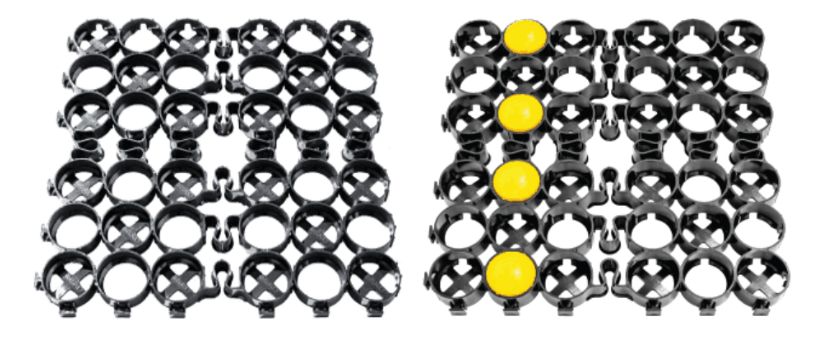
Outdoor surfaces rarely fail all at once. Water collects where it shouldn’t, soil softens beneath rigid materials, and small shifts gradually turn into visible damage across driveways, patios, and walkways. For homeowners evaluating 24×24 plastic pavers, long-term performance depends on how a paving system manages weight, movement, and drainage together rather than how the surface looks on day one.
Why Size Matters When Choosing Residential Pavers
Choosing 24×24 plastic pavers is first a sizing decision. Larger-format units cover more area per piece, which changes how loads are distributed and how seams behave across the surface. In residential settings, that size reduces the number of joints that loosen or migrate while creating a more uniform platform beneath vehicles and foot traffic.
Traditional paving materials rely on mass and rigidity to stay put. Concrete and stone resist movement by being heavy, which works until water pressure or freeze-thaw cycles begin pushing back from below. Plastic grid pavers approach stability through structure rather than weight, allowing the surface to stay aligned as conditions underneath shift.
How 24×24 Plastic Pavers Handle Vehicle Loads
The 24×24 format increases contact area between the surface and the base. When weight is applied from parked cars or repeated foot traffic, pressure spreads across a wider footprint through the filled grid and into the compacted base below. That distribution limits concentrated stress at edges and corners, where surface problems usually start.
For driveways, repeated loading along the same wheel paths is the real test. Rigid materials tend to crack or rut as force builds in one place over time. With 24×24 plastic pavers, vehicle weight is carried by the filled grid structure, allowing controlled movement that keeps stress from stacking up and showing through at the surface.
Drainage Performance That Protects the Surface Below
Drainage is the other driver of long-term stability. Many surface failures begin when water gets trapped beneath paving, softening soil and speeding up movement. Large-format plastic pavers drain vertically through the surface and into the base, relieving pressure after storms and helping the surface rebound quickly.
Where 24×24 Plastic Pavers Work Best Around a Home
Different outdoor areas place different demands on a surface, even within the same property.
Driveways
Driveways benefit most from load distribution and controlled flexibility. A surface that spreads vehicle weight evenly and allows minor movement avoids the cracking and rutting that often appear first in high-traffic wheel paths.
Patios
Patios see the benefit where slope is limited or water tends to linger near the home. When rain drains through the surface instead of pooling on top, outdoor spaces dry out sooner and stay cleaner around the edges. Over time, consistent drainage helps patios hold grade without the cycle of lifting and resetting stones.
Walkways
Walkways place lighter loads on the surface, yet safety hinges on consistency. Uneven joints become tripping hazards as materials shift with the seasons. Larger-format plastic pavers reduce seam density, which helps keep walking paths smooth. With proper edge restraint, those paths stay flat year after year with minimal attention.
Installation Expectations for Homeowners
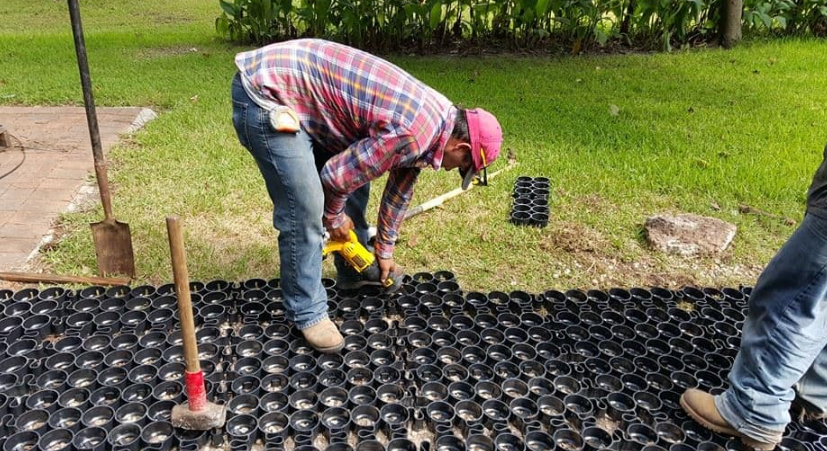
Installation expectations often give homeowners pause with larger formats. Plastic grid systems flip that assumption. Individual units remain lightweight and modular, making them easier to carry and place than solid slabs while covering ground efficiently as the layout comes together. The pavers typically do not require specialized equipment like concrete or asphalt would.
For most residential projects, installation follows a predictable sequence.
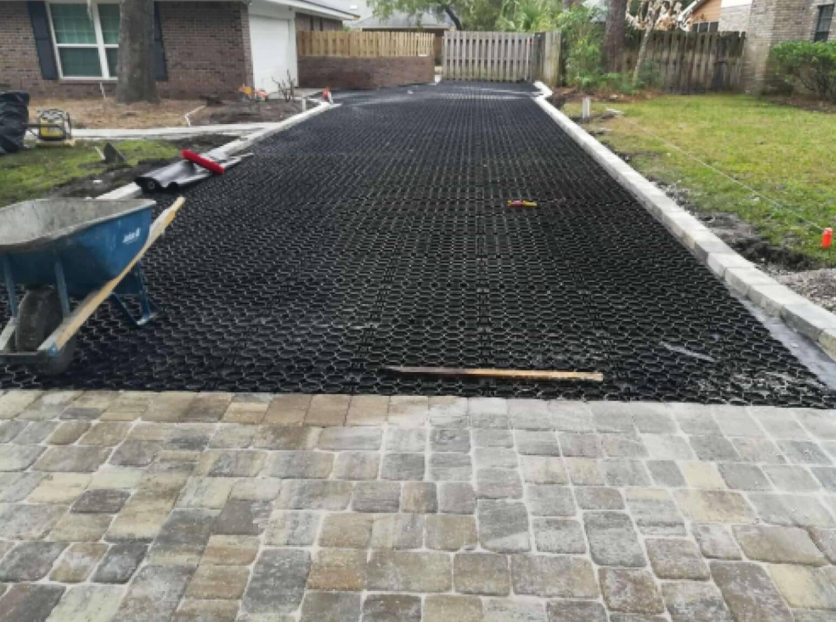
- Excavate and set depth. Remove existing material to the planned depth so the finished surface can sit on a stable base without soft spots. Compact the floor of the area. It’s recommended to line the excavation with a permeable landscape fabric as well.
- Build the base in compacted lifts. Add aggregate in layers and compact each lift so the base supports the weight evenly instead of settling later.
- Place and connect the grid panels. Set panels tight to the layout lines and lock connections so the surface behaves as one continuous field.
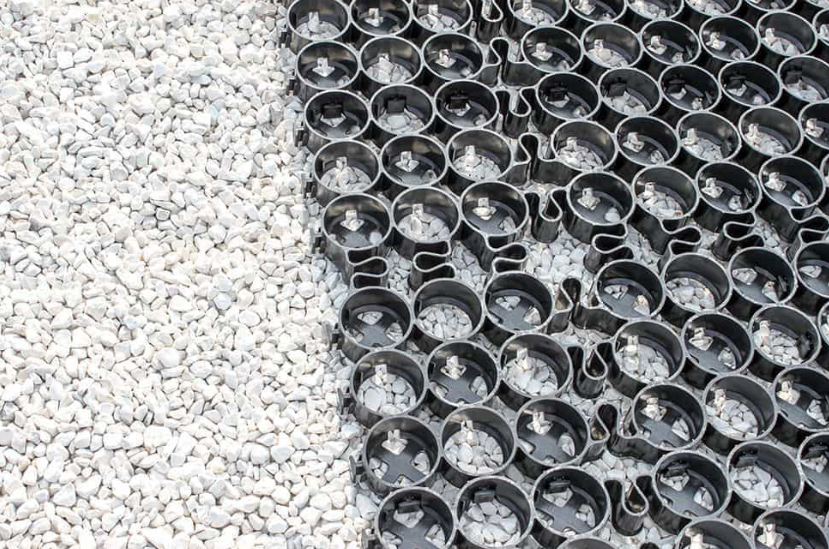
- Add infill and level. Fill the grid with gravel, grass, or another approved infill, level to the top of the grid paver.
This sequence keeps installation manageable while delivering consistent results across larger areas.
Base preparation still does the heavy lifting. A compacted aggregate base supports the grid evenly and encourages downward drainage. Once filled with gravel, grass, or another approved infill, the grid behaves as a single surface rather than a patchwork of separate pieces.
Edge restraint quietly finishes the job. While not technically needed for the paver performance without perimeter containment, even a well-prepared base can allow movement over time. Continuous restraint keeps the surface in position while allowing the interior to handle natural expansion, contraction, and minor settlement without telegraphing damage.
How Plastic Pavers Compare to Traditional Paving Materials
Comparisons to traditional paving often stop at appearance, yet the real differences show up with time and weather. Concrete cracks as the ground shifts. Stone pavers loosen as joint material washes out. Plastic grid systems manage movement directly, reducing the stress that leads to visible surface failure.
Long-Term Maintenance and Repair Realities
How a surface behaves after years of weather, traffic, and seasonal movement determines whether ownership stays manageable or becomes a recurring project.
Localized Repairs Without Full Tear-Out
Maintenance reflects that difference. Repairs to rigid surfaces are disruptive and tend to be permanent. Plastic grid systems allow localized fixes. Sections can be lifted, the base corrected, and the surface restored without tearing out the entire area, which takes pressure off long-term ownership.
Design Flexibility Through Infill Changes
Design flexibility adds another layer of appeal. The 24×24 format supports clean layouts while adapting to curves and transitions as needed. Because the grid is filled with visible material, homeowners can refresh the look by changing infill without disturbing the structure below.
How TRUEGRID Supports Long-Term Reliability
TRUEGRID’s residential 24×24 systems follow these performance principles. The grid structure spreads loads, maintains alignment, and supports full permeability across the surface. Used in driveways, patios, and walkways, the system works with site conditions instead of fighting them.
Why 24×24 Plastic Pavers Deliver More Predictable Performance Over Time
Over time, outdoor surfaces make their verdict clear. Standing water, settling, and surface damage signal that forces below are not being managed effectively. 24×24 plastic pavers address those issues by combining size, structure, and drainage into a single approach that supports residential use without frequent repair.
For homeowners planning new outdoor spaces or replacing failing surfaces, understanding how size affects performance leads to better outcomes. Larger-format plastic pavers are chosen because they help surfaces stay stable, drain properly, and remain usable year after year.
Explore TRUEGRID® Residential Paver Systems for Long-Term Surface Stability
TRUEGRID designs residential paver systems that distribute load, manage drainage, and maintain surface alignment over time. Each grid is engineered to support driveways, patios, and walkways under real residential conditions. Contact us today for more information.
Water problems around a home rarely begin as emergencies. They show up as puddles that linger after rain and soil that never fully dries. Understanding the benefits of permeable pavement starts with recognizing how conventional hard surfaces interrupt natural drainage and force water to move sideways instead of downward.
Why Water Behavior Matters Around Residential Surfaces
Water performance at the surface level determines whether rainfall is managed predictably or becomes a recurring site issue.
How Conventional Surfaces Redirect Water
Most residential pavement surfaces are designed to shed water as quickly as possible. Concrete, asphalt, and tightly set pavers push rainfall across the surface toward low points, concentrating flow instead of allowing it to drain. During heavier storms, this accelerated runoff exposes the limits of impermeable surfaces by directing water toward foundations, landscape beds, and drainage paths that were never designed to handle high volumes.
How Permeable Pavement Changes Water Movement
Permeable pavement alters this pattern by allowing water to move vertically through the surface instead of forcing it sideways. Open joints, void spaces, or grid structures let rainfall pass into a prepared aggregate base below, where it is temporarily stored and released gradually into the soil. This vertical movement changes how rainfall is managed before it reaches surrounding drainage features.
Common Residential Permeable Pavement Systems
In residential construction, permeable pavement systems typically take several forms, including:
- Pervious concrete or asphalt, which uses open-graded mixes to allow infiltration
- Permeable interlocking pavers, which rely on widened joints filled with aggregate
- Grid-and-aggregate systems, which confine stone while maintaining open pathways for water
While the materials differ, each approach relies on the same principle: allowing water to infiltrate through the surface rather than shedding it across the site.
Improved Drainage Reduces Pooling And Surface Saturation
When water can pass through the surface, standing water becomes far less common. Driveways dry faster after storms, walkways remain usable, and patio edges avoid persistent saturation. Drainage performance improves across the entire surface area.
Because water drains evenly across the surface, isolated low spots are less likely to collect water or need repeated fixes. Over time, that steady drainage helps the surface hold its shape and reduces wear caused by lingering moisture—one of the most noticeable benefits homeowners see after installation.
Runoff Reduction Supports Flood Prevention At The Property Level
Flood risk is influenced less by total rainfall and more by how quickly water moves across a property during and after storms.
How Permeable Surfaces Reduce Runoff Volume
As permeable systems absorb rainfall at the surface, runoff volume leaving the property decreases. Water enters the pavement system instead of accelerating across driveways, walkways, and patios, which reduces erosion pressure and limits the amount of sediment carried toward landscape edges and drainage paths.
Flood Mitigation During Repeated Storm Events
Flood mitigation benefits become more noticeable during repeated storm events rather than a single rainfall. By lowering peak runoff rates and allowing water to infiltrate gradually, permeable pavement reduces soil saturation near foundations and low-lying areas where water commonly collects. This slower release pattern helps prevent rainfall from overwhelming areas that are prone to pooling during consecutive storms.
Performance Limits And Planning Considerations
Reviewing the permeable pavement pros and cons clarifies where runoff reduction is reliable and where site conditions can still limit flood performance. Performance depends on soil type, slope, base design, and overall site drainage. Proper planning ensures that permeable surfaces work as part of a broader site strategy rather than being expected to resolve severe flood conditions on their own.
Healthier Soil And Landscaping Below The Surface
Traditional hardscapes block rain from reaching the soil beneath them, disrupting natural moisture cycles and groundwater recharge. Permeable systems restore this connection by allowing rainwater to filter through the pavement and into the soil profile.
As a result, adjacent lawns and planting areas experience more balanced moisture levels. Root zones remain healthier, compaction is reduced, and erosion pressure along pavement edges diminishes. The benefits of permeable paving extend beyond the surface and into the surrounding landscape system.
Lower Long-Term Maintenance Through Structural Flexibility
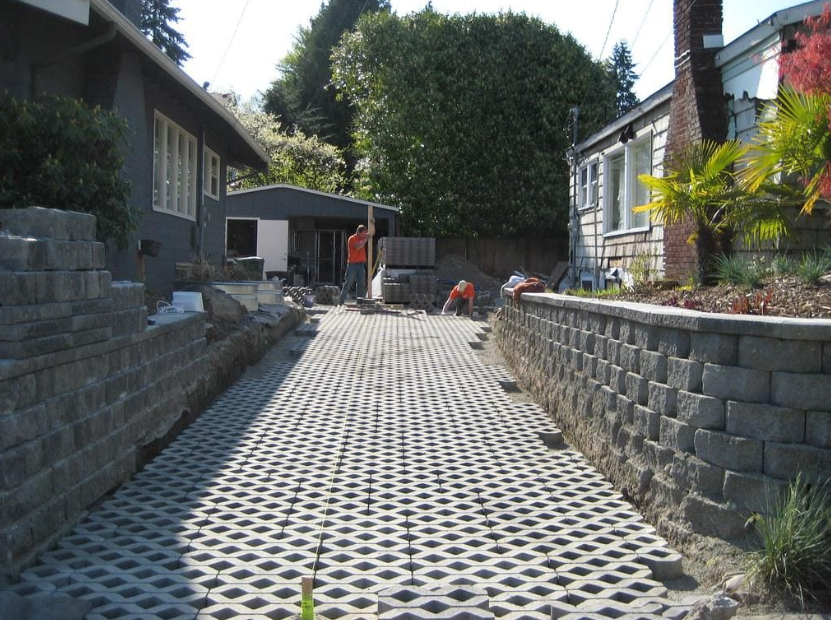
Long-term maintenance is shaped by how a pavement system responds to movement rather than how rigid it appears when first installed.
Why Rigid Pavements Create Ongoing Repair Cycles
Impermeable pavements rely on rigid slabs that crack under thermal movement, soil settlement, or minor subgrade shifts. Once cracking begins, repairs often require cutting, patching, or replacement that rarely blends seamlessly. Over time, those repairs tend to repeat because the underlying movement hasn’t been resolved.
How Permeable Systems Accommodate Movement
Because weight is spread through the base, permeable pavement can handle small ground shifts without cracking. That flexibility helps the surface last longer, and any repairs are usually limited to specific spots instead of the whole area.
Routine Maintenance Focused On Water Movement
Like any outdoor surface, permeable pavement may require occasional surface cleaning to maintain infiltration performance over time. That maintenance focuses on preserving water movement through the surface rather than restoring structural integrity.
Typical upkeep focuses on:
- removing sediment and organic debris that can reduce infiltration
- keeping joints or surface voids open so water can enter the system
- cleaning after heavy leaf drop or wind-driven soil movement in problem areas
Environmental Performance Driven By Filtration And Groundwater Recharge
Environmental outcomes are tied to how water is treated as it moves through the surface system. Among the less visible benefits of permeable pavement is how stormwater quality improves before runoff ever reaches surrounding soil or drainage infrastructure.
Filtration As Water Moves Through The Surface
As water passes through permeable surfaces and underlying aggregate layers, sediment and certain pollutants are filtered out before reaching surrounding soils or drainage systems. Slower-moving water allows particles to settle naturally instead of being carried directly into storm drains and surface waterways.
How Rainwater Stays On The Property Instead Of Rushing To The Street
Slower surface drainage keeps rain from rushing toward the street all at once, reducing strain on nearby drains. Instead of being pushed away, water is handled right where it falls.
Long-Term Environmental Outcomes For Residential Sites
Over time, this filtration improves local water quality while supporting groundwater recharge. For homeowners, that can mean fewer dirty washouts after storms, healthier planting areas that don’t stay waterlogged, and less muddy runoff moving off the driveway and into the street.
Durability Under Residential Loads
Driveways and access paths must support vehicle traffic without sacrificing performance. Permeable pavement systems rely on a properly built stone base that supports vehicles while leaving open space for water to soak in and temporarily collect beneath the surface.
When installed correctly, these systems handle normal residential traffic without blocking drainage. Weight is carried through the base instead of stressing the surface, which helps the pavement stay stable over time.
Design Flexibility For Residential Applications
Permeable systems adapt to a wide range of residential designs. Grid-based structures, permeable pavers, and aggregate-filled surfaces integrate easily into modern driveways, walkways, patios, and outdoor living areas.
This flexibility lets homeowners choose a surface that drains well without giving up the look they want. In practice, the benefits of permeable pavers often include a familiar paver style with fewer puddles and faster dry-out after rain.
Permeable Pavement In Renovation And Expansion Projects
Drainage behavior becomes increasingly important as residential surfaces are modified over time.
Why Conventional Surfaces Compound Drainage Problems
Surface upgrades rarely happen all at once on residential properties. Driveways are widened, patios are added, and outdoor living areas evolve as needs change. With conventional hard surfaces, each addition increases runoff volume and places added pressure on existing drainage paths, often creating new low spots or erosion issues that did not exist before.
How Permeable Pavement Supports Incremental Expansion
Permeable pavement lets you expand a driveway or patio without making drainage problems worse. Instead of sending more runoff toward the house or yard, the new surface absorbs rain where it lands and lets it soak in. That keeps added square footage from creating new puddles, washouts, or soggy edges as the paved area grows.
Planning Considerations For Phased Improvements
Common site considerations for permeable pavement should be revisited each time the paved area changes.
Key considerations include:
- drainage behavior across the finished surface and adjacent grades
- base preparation requirements tied to soil conditions and expected rainfall
- long-term maintenance planning to keep infiltration consistent
How TRUEGRID® Delivers Permeable Pavement Performance
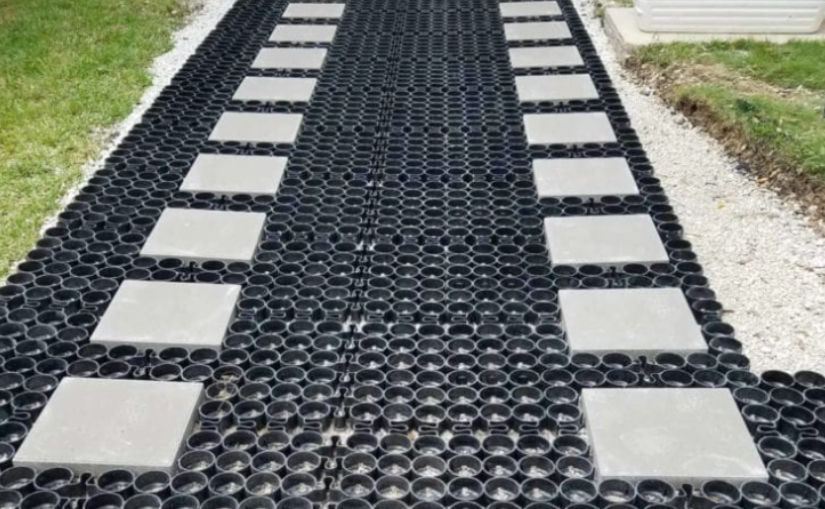
TRUEGRID® systems use a modular grid to keep gravel stable underfoot and under tires while allowing rainwater to drain straight through. That means driveways and walkways stay usable after storms without relying on surface runoff to move water away. The grid also helps the surface stay even over time, so ruts and loose stone are less likely to become a recurring issue as seasons and site conditions change.
Why The Benefits Of Permeable Pavement Add Up Over Time
Long-term performance emerges when individual surface behaviors are evaluated as a connected system rather than isolated features.
System-Level Performance Instead Of Isolated Fixes
Improved drainage means fewer puddles, less runoff, and fewer spots where soil stays soggy after storms. Those changes work together, so the yard and hardscape stay more consistent season after season. The payoff builds over time instead of hinging on one feature doing all the work.
Consistency Across Changing Conditions
Conventional hardscapes push water away fast, which can send it toward the garage, landscaping, or low spots. Permeable pavement lets rain soak in where it lands, so less water rushes across the yard during and after storms. The real test shows up over time, as the surface keeps draining well through different seasons and repeated heavy rains.
Why This Matters For Long-Term Residential Planning
For homeowners planning long-term upgrades, the benefits of permeable pavement reflect a shift toward working with natural water movement rather than against it. That long-term reliability is why more homeowners are choosing permeable surfaces when they want durability and fewer drainage problems over time.
Choose TRUEGRID® Permeable Pavers For Long-Term Residential Performance
TRUEGRID® manufactures permeable paver systems designed for residential driveways, walkways, and outdoor living areas where drainage, durability, and stability matter. TRUEGRID pavers can flex with temperature shifts, traffic patterns, and underlying moisture content without cracking. The open-grid design helps rain drain through faster and cuts down on muddy runoff that gets tracked onto patios and into garages. Contact us today for more information.
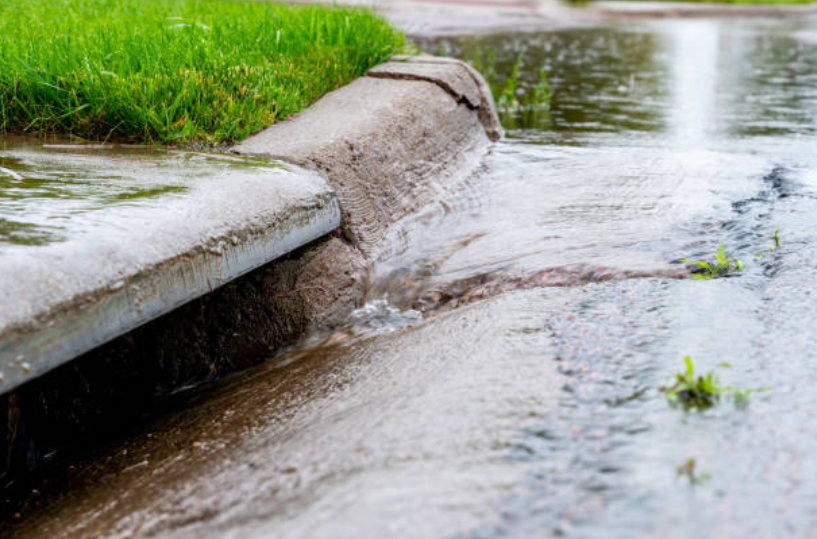
Stormwater problems often start small. Pooling water, soggy lawns, and eroding soil usually appear gradually after heavy rain. Effective home stormwater management begins with understanding how water moves across a property, where it accelerates, and what prevents it from soaking back into the ground once it gets there.
Why Runoff Builds Up Around Residential Properties
Runoff problems begin when residential surfaces and soil conditions limit how easily water can soak into the ground and instead concentrate flow across the property.
Impervious Surfaces Increase Runoff Volume And Speed
When rain falls on undeveloped land, much of it soaks into the soil and replenishes groundwater.
- Residential properties change that behavior by adding roofs, driveways, patios, and compacted lawn areas that shed water instead of absorbing it.
- Each hard surface increases the amount and speed of runoff, pushing water toward low points where it can collect against foundations, wash away soil, or overwhelm existing drainage paths.
Runoff can also pick up oil drips, fertilizer, and loose soil from driveways and yards, carrying that dirty water toward storm drains and nearby waterways.
Site Changes Over Time Create New Low Points
Runoff issues often worsen gradually rather than appearing all at once. As properties age, soil becomes more compacted in areas exposed to foot traffic, vehicles, or construction activity. Subtle settling can alter grades, creating shallow depressions that hold water, while added hardscapes may redirect flow without accounting for how water already moves across the site.
Recognizing these patterns helps homeowners identify when runoff reflects long-term site conditions rather than a one-off storm.
Treat Stormwater As A Site-Wide System
The first step in home stormwater management is recognizing that runoff behaves as a connected system rather than a series of isolated problems.
- Water leaving the roof continues across driveways, lawns, walkways, and landscaped areas as it moves through the property. Each surface it encounters either slows that movement or pushes it along faster, shaping where water ultimately collects.
- Isolated fixes often fall short because they address only one point in that chain.
- A drain placed in a low spot may capture water briefly, but upstream surfaces keep sending runoff at the same rate, eventually overwhelming the solution and shifting the problem elsewhere.
A system-based approach looks at surfaces, slopes, and how easily water soaks into the ground as interdependent parts that influence performance during every storm.
Use Grading To Control Water Direction
Surface slope plays a major role in where rainwater goes after a storm. Even small grade changes can determine whether water moves away from the home or stalls near the foundation. Pooling often comes from shallow low spots caused by settling or poorly planned additions, which leave runoff with nowhere to go.
Consistent, gentle grading guides water away from vulnerable areas and gives it room to slow down as it travels. Overly steep slopes can do the opposite by speeding up flow and increasing erosion risk, especially where water concentrates along edges.
Grading changes work best when they match the surface material. A properly sloped but impermeable surface still sheds water quickly, while graded permeable areas can let water drain through instead of pushing it toward the next low point.
Manage Roof Runoff At Ground Level
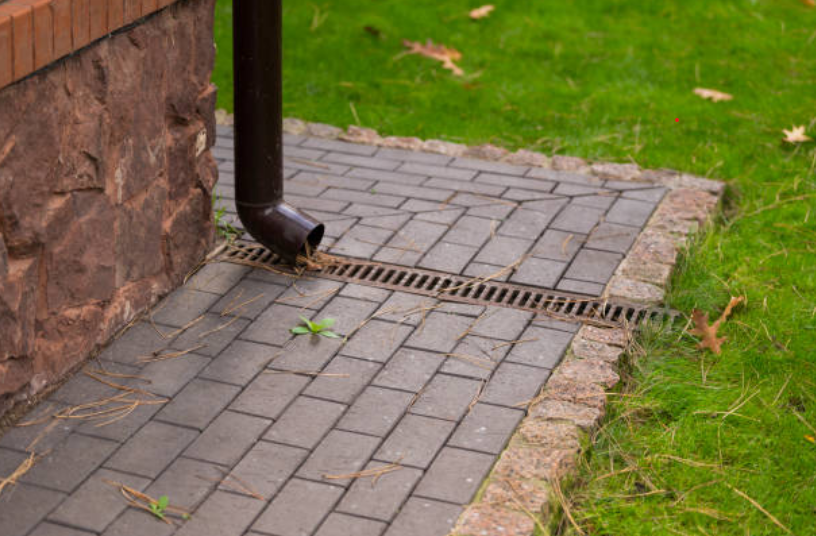
Roof runoff delivers a large volume of water to a few discharge points during every storm. Downspouts that dump water right beside the foundation concentrate flow where soil is often compacted and least able to absorb it. Over time, repeated wetting can contribute to settlement, erosion, and moisture intrusion.
Extending discharge paths improves performance because it:
- spreads water across a wider surface area before it concentrates
- reduces impact and flow speed at ground level so water has time to soak in
- directs roof water toward areas that can absorb it instead of compacted edge zones
Managing roof runoff effectively reduces stress on downstream drainage features and lowers the risk of localized flooding near the home.
Reduce Impervious Surface Area Strategically
Concrete and asphalt don’t let water soak in, so every storm forces rainfall to run across the surface. As impervious coverage increases, peak runoff volumes rise and water reaches problem areas faster. Reducing hard-surface area lowers that peak and gives stormwater more time to spread out instead of concentrating in one place.
Strategic surface replacement works best when it targets the biggest contributors, such as driveways, parking pads, and high-traffic walkways. Surfaces that let water drain through change how the site behaves during heavy storms by allowing rainfall to move down into the base and soil instead of rushing toward the next low point.
Stormwater runoff management improves when hard surfaces are reduced and runoff is guided toward stable areas designed to absorb water rather than pooling near foundations and other vulnerable edges.
Use Vegetation To Slow And Absorb Water
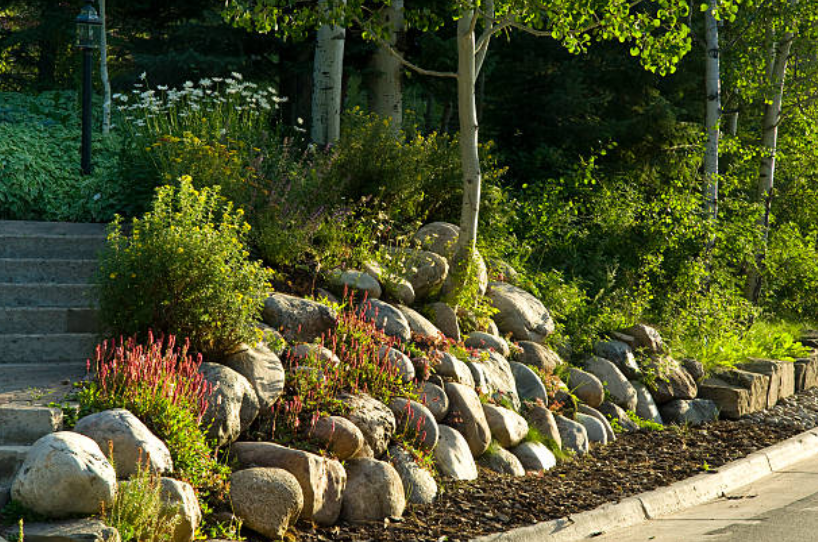
Vegetation helps manage runoff by softening rainfall impact and giving water more chances to soak into the ground.
Choose Planting That Improves Absorption
Vegetation plays a complementary role in home stormwater management by intercepting rainfall and improving soil structure. Trees and deep-rooted plants slow water as it falls, reducing surface impact and erosion. Once water reaches the ground, root systems create small channels that help water move downward instead of running across the surface.
Not all landscaping supports absorption equally. Shallow-rooted plantings and decorative turf, while beneficial, do less than shrubs, native grasses, and trees with extensive root systems that loosen soil and hold it in place. Well-designed planted areas stabilize soil, reduce surface flow, and work alongside permeable surfaces to manage runoff more effectively across the site.
Address Subsurface Compaction And Storage
Soil conditions below the surface determine how much water can be absorbed and stored. Compacted soils resist water movement even when surfaces appear permeable. This condition is common beneath lawns, driveways, and areas subjected to repeated loading.
- Improving soil structure increases the space underground where water can soak in and be held temporarily instead of running across the surface.
- A good plan maps where water starts, where it travels, and where it should soak in, so new projects don’t create fresh puddling spots.
Choose Permeable Surfaces For Driveways And Yards
Permeable paving manages runoff by supporting vehicle weight while allowing water to soak through the surface.
How Permeable Systems Store And Release Water
Permeable surfaces combine structural support with infiltration capacity. Instead of shedding water, rainfall passes through the surface and enters a stone base that temporarily stores runoff before releasing it into the underlying and nearby soils. This process reduces surface flow and limits pooling during peak rainfall events.
Why Permeable Surfaces Perform Better In High-Use Areas
Solid pavements concentrate runoff and increase velocity, which places stress on adjacent soils and drainage features. Permeable systems distribute water vertically, slowing movement and reducing erosion risks. A key advantage of permeable paving in home stormwater management is predictability, since properly installed systems guide water along defined paths and maintain consistent performance without relying on mechanical drainage components.
Integrate Permeable Pavers Into A Complete Site Plan
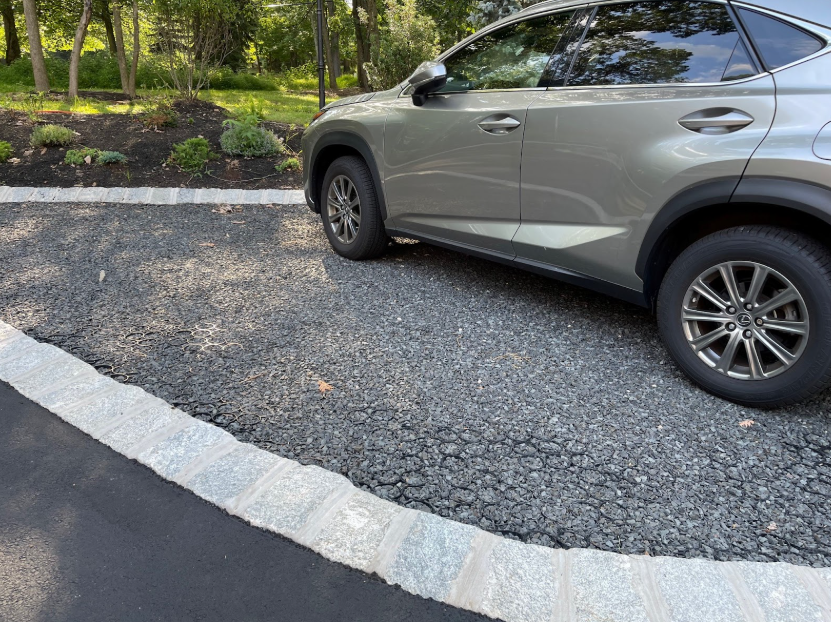
Permeable surfaces work best when grading and soil conditions are considered together. Nearby slopes should guide runoff toward areas designed to drain through, and the soil beneath should be able to take in water or move it away in a controlled way during heavy storms.
TRUEGRID® permeable pavers distribute loads across a gravel base while leaving open space for temporary water storage below the surface. That structure supports daily vehicle use, improves long-term drainage, and reduces the cracking risks common with rigid pavements.
Water runoff solutions typically improve when grading, drain-through surfaces, and planted areas are designed as one coordinated system rather than separate upgrades.
Maintain Performance Over Time
Stormwater systems are tested repeatedly by seasonal weather and daily use.
- Leaves, sediment, and organic debris can gradually reduce drainage if allowed to accumulate.
- Periodic inspection and light surface cleaning preserve performance and extend system life.
- Upkeep is typically simpler than corrective erosion repair.
Observing how water behaves after major storms helps identify areas that may benefit from minor adjustments before larger issues develop.
Design Outdoor Spaces To Work With Water
Effective home stormwater management treats water as part of the site rather than something to push aside. Coordinated decisions that slow runoff, increase infiltration, and guide water back into the ground reduce long-term risk while preserving usable outdoor space.
By selecting surfaces and layouts that work with natural drainage patterns, homeowners gain reliable stormwater control without sacrificing durability or functionality.
Manage Residential Stormwater With TRUEGRID Permeable Pavers
TRUEGRID engineers permeable paving systems that support residential stormwater control while maintaining stable, load-bearing surfaces. Each system integrates with grading, gravel bases, and landscape features to improve infiltration and reduce runoff. Contact us today for more information.
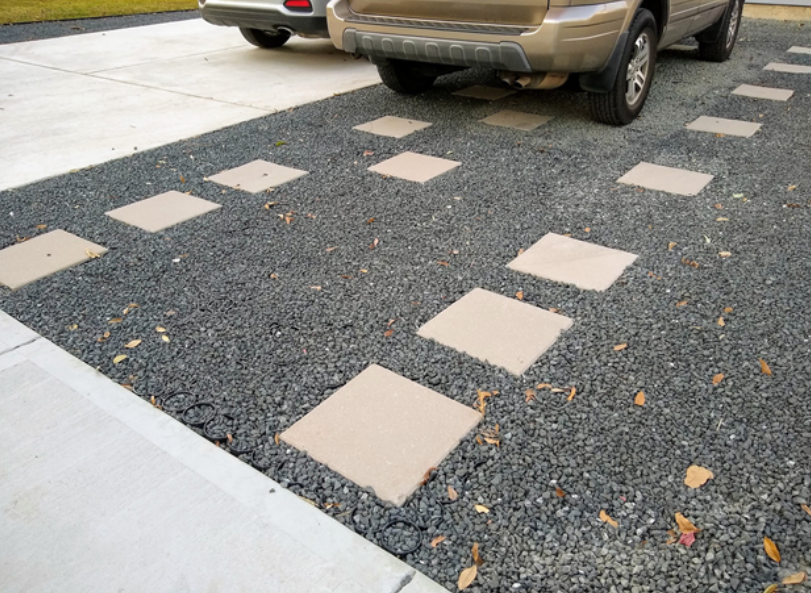
Gravel has become a defining material in modern landscape design. It manages water, supports load, and creates visual separation without locking a surface into a rigid system. When designers and homeowners choose gravel between pavers, they are responding to drainage demands, maintenance realities, and a preference for clean, contemporary outdoor spaces.
How Gravel Between Pavers Changes Surface Drainage
Hardscape surfaces fail most often when water has nowhere to go. Solid patios and walkways shed rainfall across the surface, forcing runoff toward edges, joints, or adjacent structures where it can undermine the base over time.
Open joints interrupt that pattern.
- Gravel between pavers creates vertical drainage paths that allow water to move through the surface instead of building pressure beneath it.
- That behavior reduces saturation at the edges of the installation and limits the conditions that lead to settlement or heaving.
- In freeze–thaw climates, this drainage relief becomes even more important.
- Moisture trapped under rigid surfaces expands as it freezes, stressing both the base and the pavers above.
Gravel-filled joints reduce that risk by giving water a place to go before it becomes a problem.
Why Permeable Joints Improve Long-Term Stability
Drainage performance does not stop at the surface. What happens below the pavers determines whether the system remains stable over time. A properly prepared aggregate base works with gravel joints to spread moisture evenly through the structure instead of letting it concentrate at a few weak points, which reduces soft spots that lead to settlement.
Joint permeability also protects surrounding soils. By limiting lateral runoff, gravel joints reduce edge erosion at borders and transitions, helping adjacent planting areas and restraints stay intact.
Load Distribution And Flexibility Under Foot Traffic
Rigid surfaces transfer stress directly from the walking surface into the base. Any minor movement below shows up as cracking, rocking, or uneven pavers above.
Gravel joints introduce controlled flexibility.
- The loose aggregate absorbs small shifts without forcing stress into the paver units themselves.
- For walkways, patios, and seating areas dominated by foot traffic, this flexibility helps preserve alignment without constant correction.
Use conditions still matter. Areas that see frequent gatherings or heavier furnishings benefit from joint materials and base designs that resist migration. In these cases, the joint gravel operates as part of a broader assembly rather than as a standalone detail.
Choosing The Right Gravel For Paver Joints
Not all gravel performs the same way between pavers. Particle shape directly affects stability and maintenance expectations.
Rounded Vs. Angular Aggregate
Rounded pea gravel drains well and offers a softer visual profile, but it moves more easily under traffic. Angular stone interlocks under pressure, resisting displacement and maintaining joint depth more consistently.
Size And Color Selection For Clean Layouts
Uniform aggregate sizing helps joints compact consistently. Consistent color and gradation reinforce geometry, especially in large-format layouts where joint spacing becomes a visible design element.
Weed Control And Maintenance Expectations
Weeds do not appear because gravel is present. They emerge when organic material accumulates and moisture lingers near the surface.
- Gravel joints dry more quickly than sand-filled or mortar-set joints, limiting the conditions weeds need to establish.
- When joint depth is sufficient and the base is properly prepared, weed pressure becomes occasional rather than constant.
- Maintenance with gravel joints is predictable. Instead of repairing cracked mortar or replacing eroded sand, upkeep typically involves topping up displaced aggregate.
Many homeowners prefer this approach because it avoids demolition and keeps repairs localized.
Design Flexibility For Modern Patios And Walkways
From a visual standpoint, gravel joints create intentional separation between pavers. Large-format pavers with consistent spacing emphasize layout and proportion, which aligns well with modern landscape design.
Gravel also allows for smoother transitions:
- Walkways can curve without tight cuts.
- Patios can blend into surrounding gravel zones or planting areas without abrupt edges.
These transitions reduce hard boundaries and help outdoor spaces feel connected rather than compartmentalized.
Installation Principles That Affect Performance
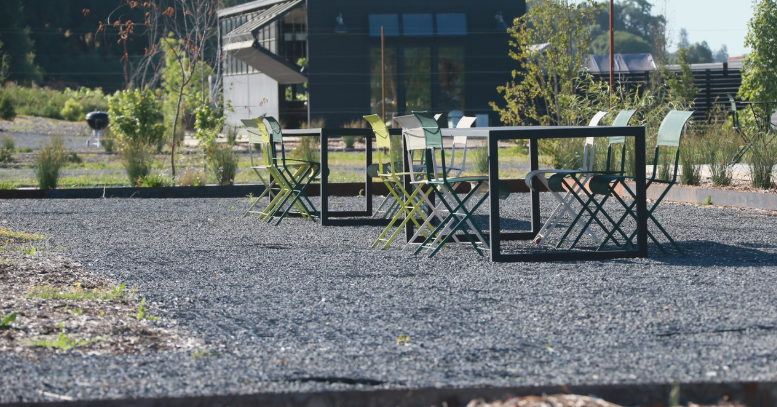
Long-term performance depends on base uniformity, perimeter restraint, and joint behavior working as a single assembly.
Base Compaction And Grade Control
A compacted aggregate base supports load and limits settlement, and proper grading keeps water moving downward instead of pooling beneath the surface.
In practice, drainage performance depends on maintaining consistent slope across the finished surface rather than relying on isolated low points to move water.
Industry standards commonly reference gentle grading in the range typically associated with hardscape drainage to keep water moving without introducing erosion or instability. When slope varies across the installation, water concentrates in joints and transitions, increasing the likelihood of settlement and gravel migration even when the base is otherwise well compacted.
Joint Depth Consistency
Joint depth must remain consistent to avoid thin spots that loosen under traffic and encourage migration.
Edge Restraint And Perimeter Containment
Edge restraint must be continuous, since even well-graded gravel will migrate laterally if the perimeter allows movement.
Confinement For Higher-Use Zones
Areas subject to repeated use or cleaning benefit from confinement beneath the surface to stabilize aggregate over time.
System-Level Outcome
When these conditions are met, gravel joints function as intended rather than becoming a recurring maintenance issue.
Design Context For Material Selection
A comparison of paving stones vs gravel clarifies how base behavior and drainage pathways shape long-term surface outcomes.
Preventing Gravel Migration With Confinement
Loose aggregate moves when it is not restrained. Foot traffic, rainfall, and routine cleaning can gradually displace joint material if nothing limits lateral movement, and that displacement shows up fastest at edges, transitions, and high-use zones.
Confinement systems address this issue by stabilizing gravel beneath and around paver installations. By holding aggregate in place while preserving drainage, confinement reduces maintenance demands and protects joint integrity over time. This approach also supports permeable design goals because water stays on site and runoff decreases without trading stability for infiltration.
How TRUEGRID Supports Paver-And-Gravel Systems
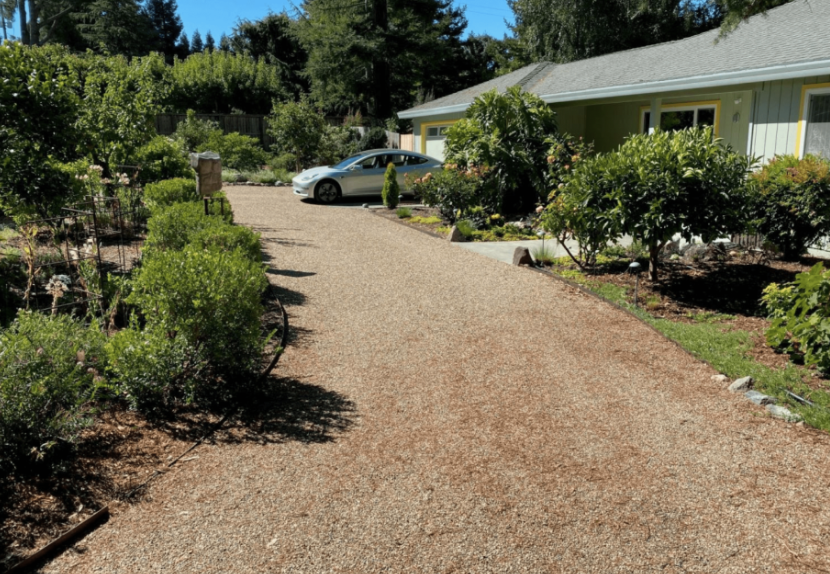
TRUEGRID permeable pavers confine gravel while maintaining drainage through the finished surface. Their grid structure stabilizes aggregate below the walking surface, which limits migration and keeps gravel zones consistent under regular use.
In hybrid layouts that pair paver units with gravel joints or adjacent gravel areas, TRUEGRID permeable pavers help stabilize the loose aggregate so the overall hardscape stays cleaner and easier to maintain. The grid remains visually unobtrusive, preserving clean lines while improving long-term surface stability.
Why Gravel Between Pavers Works As A System
Using gravel between pavers performs best when every layer is designed to work together.
- Pavers define the walking surface.
- Gravel joints manage water and accommodate movement.
- The base supports load and drainage. Confinement stabilizes loose aggregate.
- Site conditions decide whether that system stays predictable over time.
- Sloped grades, downspout discharge, and fine or expansive soils can concentrate water and amplify movement if the base and drainage path are not designed to match the setting.
When one element is undersized or omitted, performance suffers. When each component is properly selected and installed for the site, the surface remains level, drains efficiently, and requires minimal intervention.
Build Durable Outdoor Spaces With TRUEGRID Permeable Pavers
TRUEGRID manufactures permeable paver systems engineered to stabilize gravel, manage stormwater, and support long-term surface performance in patios, walkways, and mixed hardscape designs. Each system is designed to work with aggregate bases and open-joint layouts for predictable results. Contact us today for more information.
