Unstable ground conditions rarely resolve without intervention. Water movement, surface wear, and repeated loading steadily weaken exposed soil and aggregate surfaces. Erosion control pavers provide a stabilization strategy designed to reinforce the ground while supporting drainage and long-term durability.
Why Erosion Damages Landscapes And Building Sites
Erosion alters both surface appearance and structural performance. Soil displacement reduces load support, destabilizes vegetation, and increases maintenance demands. Runoff-driven movement also creates uneven settlement, rutting, and exposed subgrades.
These effects tend to appear in predictable locations. Sloped yards develop channels and thinning turf. Gravel driveways show washouts, depressions, and migrating edges. Parking areas experience rutting where tires repeatedly stress weakened surfaces. Drainage exits become focal points for soil loss as water concentrates and accelerates.
Runoff Velocity And Soil Displacement
Runoff velocity directly governs erosion intensity. As runoff accelerates across slopes or smooth surfaces, shear stress increases. Higher energy flow detaches soil particles and transports them downslope or toward drainage discharge points.
Left unaddressed, these processes compound. Minor washouts evolve into channeling, base loss, and surface failure. Stabilization becomes a protective requirement rather than a cosmetic upgrade.
How Erosion Control Pavers Stabilize Soil
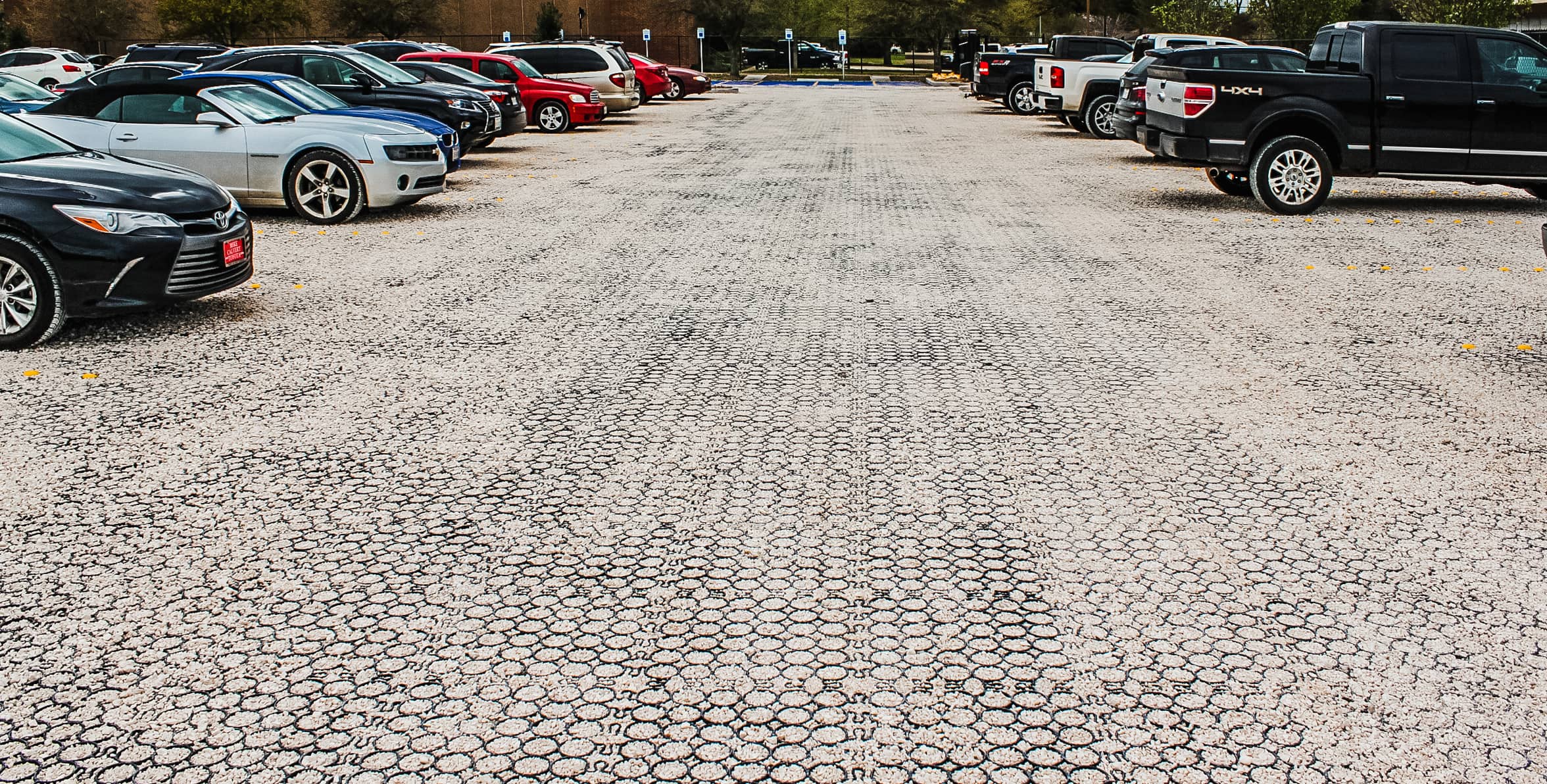
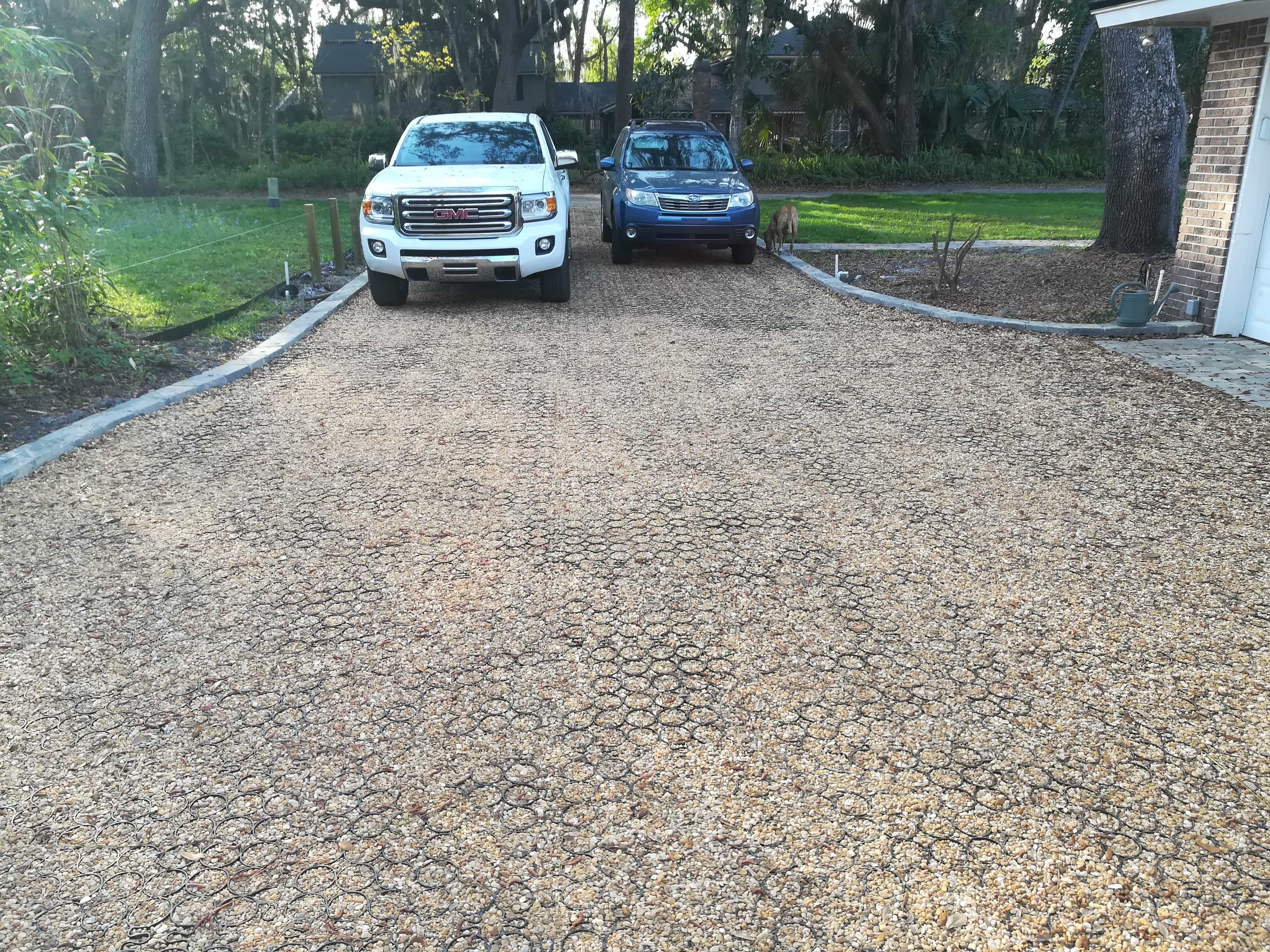
Erosion control pavers stabilize the ground by confining infill materials within an interconnected structural grid, a design approach commonly used in engineered systems such as TRUEGRID® erosion control pavers. Aggregate or soil placed inside the cells resists lateral displacement. This confinement transforms loose materials into a stabilized composite layer.
Load distribution is central to performance when the system is installed over a properly prepared base. Traffic forces spread across the grid instead of concentrating at isolated contact points. Reduced pressure concentrations limit rutting, shifting, and surface deformation.
Material Confinement And Surface Integrity
Material confinement adds another layer of stabilization. Confined infill materials remain locked in position even during saturation cycles. Fewer movement pathways directly reduce erosion susceptibility.
This reinforced behavior improves durability across multiple applications. Driveways maintain grade integrity. Access lanes resist tire rutting. Slopes preserve surface stability under rainfall exposure.
Drainage Performance And Runoff Management
Surface permeability changes how water interacts with the pavement. Solid concrete and asphalt shed rainfall immediately, often concentrating runoff at edges or low points. Concentrated discharge increases erosion risk at transitions into exposed soil.
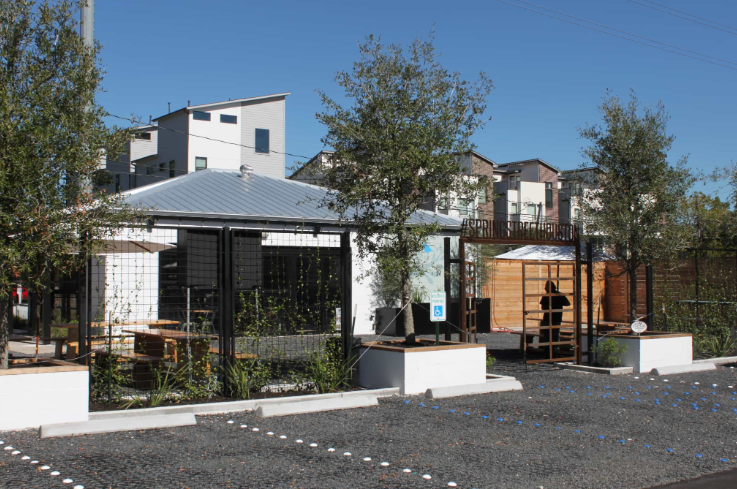
Erosion control pavers allow rainfall to infiltrate vertically through open grid spaces. Subsurface layers absorb and temporarily store water before gradual release. This moderates runoff volume under conditions where base and soil infiltration rates are properly matched.
Runoff Energy Reduction And Surface Protection
Runoff moderation reduces the severity of common site failures. Lower discharge volumes limit edge erosion. Reduced surface velocity decreases soil detachment. Stabilized infill materials resist washout during heavy rainfall events.
Reduced surface flow velocity further limits erosion forces. Water passing through the system carries less energy across the pavement face. Lower shear stress means fewer detached soil particles.
Vegetation Integration With Erosion Control Grass Pavers
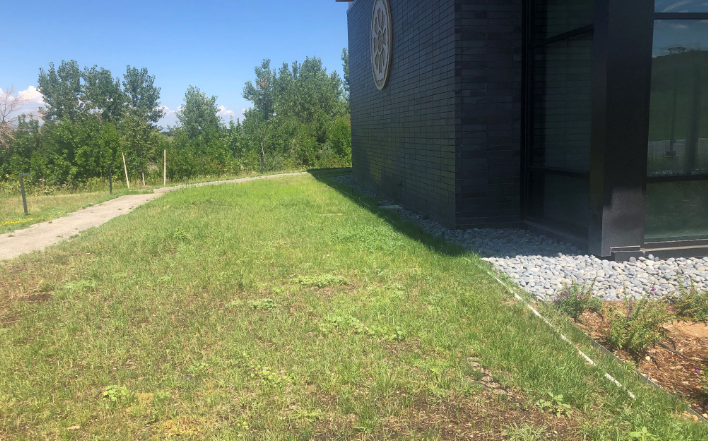
Vegetation strengthens erosion resistance through root reinforcement and rainfall dissipation.
- Conventional hardscape installations eliminate plant growth, removing a natural stabilizing mechanism.
- Bare surfaces remain vulnerable to runoff energy, raindrop impact, and gradual soil destabilization.
Erosion control pavers designed for turf support allow grass to grow within the structural grid. Root systems anchor soil while the grid protects against compaction and displacement. Healthy vegetation further improves erosion resistance by dissipating rainfall impact and increasing surface roughness. This combination performs especially well on slopes and low-impact traffic zones.
Design Considerations For Effective Erosion Control
Designing for erosion control requires aligning surface stabilization with site-specific environmental and load conditions.
Site And Soil Evaluation
Successful installations begin with site evaluation. Slope gradient influences runoff velocity and shear stress, with steeper grades requiring stronger stabilization and base preparation strategies. Soil characteristics further affect infiltration and confinement behavior. Clay-heavy soils drain slowly, while granular soils permit faster percolation, making base design selection directly dependent on subsurface conditions.
Drainage And Load Variables
Drainage pathways also require attention. Water concentration zones, discharge points, and transitions between surfaces often experience the highest erosion forces. Load expectations further guide system selection, since pedestrian zones, vehicle access areas, and emergency routes impose different structural demands.
Installation Factors That Influence Long-Term Performance
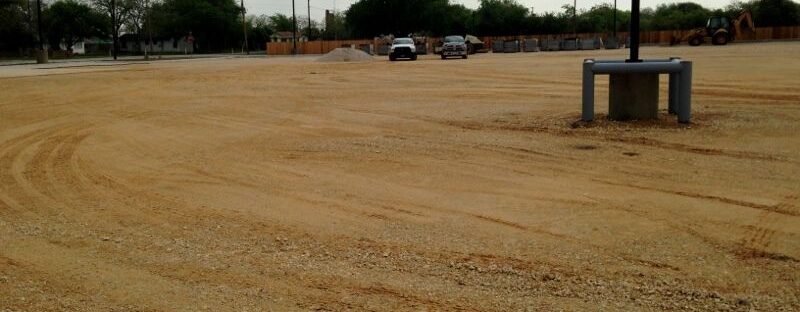
Base preparation largely determines surface stability. Proper grading establishes drainage direction and prevents standing water, while compaction ensures consistent load support across the system. Subbase materials must balance structural capacity with drainage performance. Inadequate support allows settlement, and insufficient permeability restricts infiltration. Both conditions compromise erosion resistance.
Edge restraint preserves confinement by preventing lateral spread that weakens load distribution effectiveness. Installation precision directly affects long-term outcomes. Minor base irregularities, insufficient compaction, or missing restraints can introduce movement, displacement, and localized surface failure.
Comparing Erosion Control Pavers To Traditional Methods
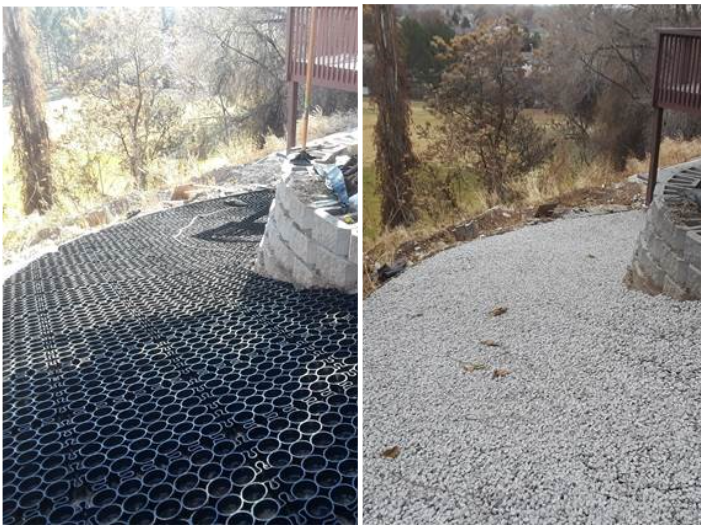
Traditional erosion mitigation methods address specific problems but often leave secondary vulnerabilities. Performance differences typically emerge under runoff exposure, traffic loading, and maintenance cycles.
- Retaining walls resist soil movement but do not stabilize runoff-exposed surfaces
- Riprap dissipates flow energy yet limits accessibility
- Gravel surfaces migrate under traffic and rainfall
- Solid pavements intensify runoff and edge erosion
Erosion control pavers combine stabilization, drainage, and usability within a single system.
Partner With TRUEGRID® For Reliable Ground Stabilization
TRUEGRID® permeable paving systems are engineered to stabilize surfaces exposed to runoff, loading, and environmental stress. Our structural grid design supports aggregate or vegetation while maintaining consistent drainage behavior. Contact us today to evaluate erosion control strategies designed for long-term surface performance and ground protection.