
Parking Pad Ideas That Handle Daily Use and Last Long-Term
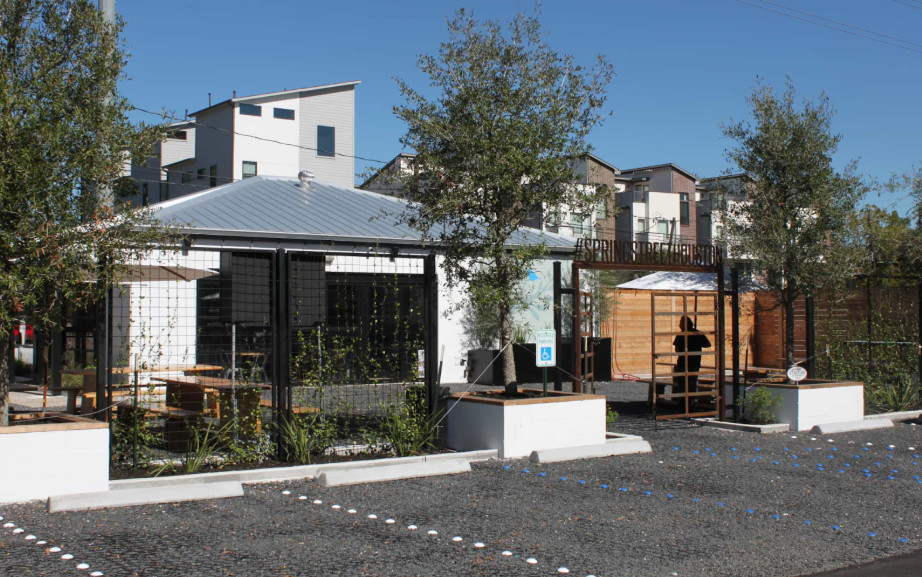
Parking pads are often overlooked in residential and light commercial layouts. A poorly built surface can lead to rutting, drainage problems, or early material failure. The best parking pad ideas take real-world conditions into account—supporting loads, managing runoff, and minimizing upkeep over time.
Why the Right Parking Pad Material Matters
While the term can refer to different setups, a parking pad typically means a standalone or expanded vehicle parking surface—like a side pad, guest stall, or the apron in front of a garage. Parking pads must add usable space, but they also need to hold up under weight and weather. Materials behave differently depending on traffic volume, soil conditions, and regional climate. Choosing the wrong one can lead to recurring problems—especially in areas with freeze-thaw cycles or heavy rain.
Gravel Parking Pads: Quick Install, High Upkeep
Gravel (un-reinforced gravel) drive surfaces remain popular for budget-conscious installs, but they often break down with regular traffic or poor drainage.
Loose Fill Is Easy but Unstable
Among common parking pad ideas, gravel is widely used because it’s simple to install and adapts well to uneven terrain. It also allows water to drain through to the subsoil. But vehicles tend to displace the fill—especially at edges—and that means constant raking or redistribution.
Rutting, Weed Growth, and Fill Loss
Among basic parking pad ideas, gravel is the most common—but without a border or stabilization layer, it shifts under weight. Ruts form quickly, weeds break through, and regular top-offs are needed. It’s cheap up front—but carries hidden long-term maintenance costs. In areas with clay soil or poor grading, gravel often moves with water flow, creating soft spots and edge collapse. Even a well-packed gravel pad may need attention after every storm.
Concrete Pads: Strong but Impermeable
Many parking pad builds rely on concrete, but its lack of permeability can create downstream issues.
Solid Surface, Higher Cost
Concrete offers a durable, clean finish with good load support. It’s ideal for heavy-duty applications, but installation requires excavation, forming, and curing time—adding cost and delay. A two-car concrete pad may exceed $3,500 when including labor and prep.
Runoff and Cracking Issues
Concrete doesn’t absorb water—it redirects it. Without a proper drain system, that runoff can undermine soil. Freeze-thaw cycles and shifting ground also introduce cracks, which are difficult to patch invisibly. In colder zones, sealed concrete may still degrade if subdrainage isn’t addressed during install.
Paver Pads: Flexible Design, Uneven Results
Paver systems allow for design flexibility, but their performance depends heavily on proper installation.
Aesthetic Control, Structural Limits
Interlocking pavers offer texture and curb appeal. They allow some water to pass between joints, but without a reinforced base, they’re vulnerable to shifting under frequent use. A typical install requires several compacted layers of crushed stone—adding material and labor cost.
Shifting and Maintenance Concerns
If not placed correctly or if the base settles unevenly, pavers shift. Re-leveling involves lifting and resetting individual blocks. Costs are also higher than gravel or plain concrete. In freeze-prone areas, pavers can heave or settle unless edge restraint and bedding layers are perfectly balanced.
Permeable Parking Pad Ideas: Durable, Drainable, and Eco-Friendly
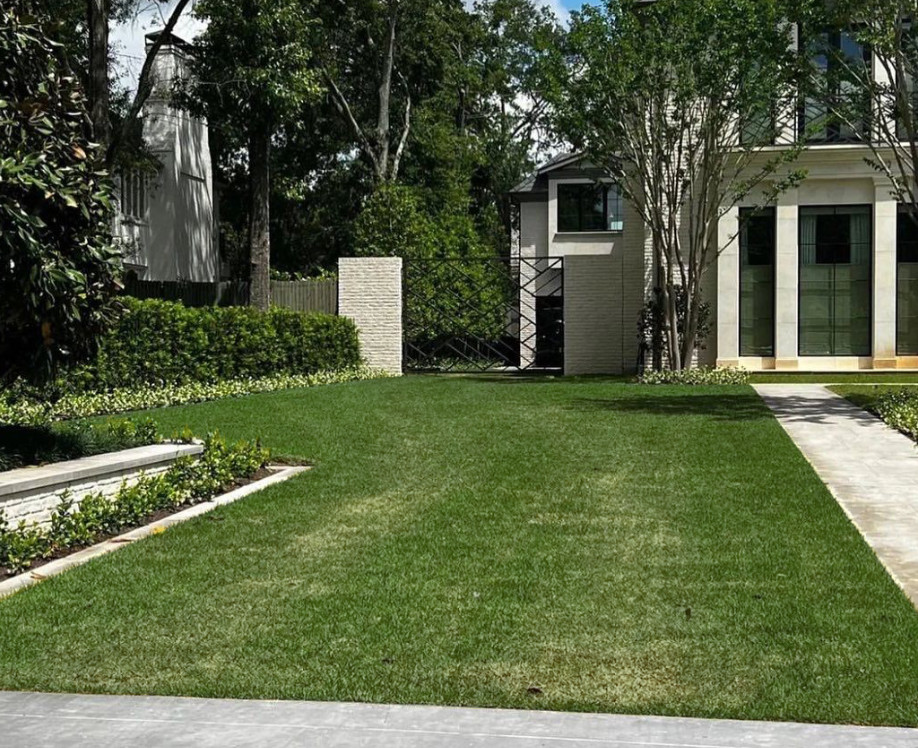
Permeable systems are gaining traction for daily-use surfaces that need both durability and drainage performance.
Surface Stability Without Runoff
These pads allow water to drain directly through the surface, preventing erosion or pooling. Their structure creates a firm base that resists ruts and keeps material in place—whether filled with gravel or grass. They’re especially useful on sloped sites or near buildings where runoff needs to be controlled.
Minimal Excavation, Fast Install
Most systems install with a 4–8 inch compacted stone base—shallower than many concrete or paver pads. There’s no curing time, sealing, or subdrainage needed. Crews can typically install a single-car permeable pad in one day.
Built for Load and Longevity
Cell-grid designs prevent deformation from consistent traffic. For higher loads—trailers, work trucks, or equipment—look for H-20 or HS-20 load ratings. Unlike loose gravel, stabilized systems stay flat and resist edge breakdown, even with turning wheels or trailer tongue weight.
Permeable grid systems also offer a clean, organized look—especially when filled with angular gravel or structured turf. They maintain visual consistency over time, unlike rutted gravel or cracked concrete. For residential installs, TRUEGRID pads can blend with modern, rustic, or traditional landscape designs while keeping maintenance near zero.
Matching Parking Pad Ideas to Site Constraints
Slope, soil, and local codes all affect what materials will work—and how long the surface will last.
Urban Yards, Slopes, and Soft Soils
In tight lots or yards with slope, permeable pads often offer better long-term stability than concrete slabs or concrete pavers. Their structure adapts to the subgrade and prevents displacement over time. With minimal weight and shallow excavation, they’re easier to install around trees or landscaping.
Front Yard Use and Drainage Compliance
In many cities, permeable gravel pads meet zoning rules on hardscape coverage—while avoiding stormwater fees or drainage review. They also help prevent ponding or grass damage from overflow parking. Most systems don’t count against impervious surface limits, making them ideal for regulated zones.
Reducing Land Loss to Detention Ponds
On larger lots, grid-based pads can reduce or eliminate the need for detention areas. TRUEGRID systems have been shown to reclaim up to 21% of buildable space that would otherwise go toward water management. That’s more functional land for property owners—and fewer drainage complications.
Why TRUEGRID Performs Where Other Pads Fail
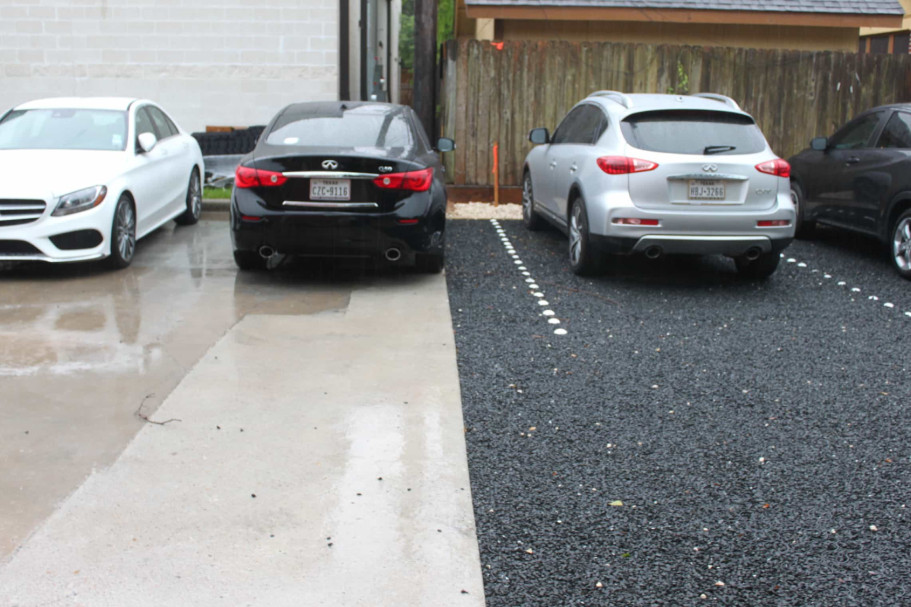
TRUEGRID products solve the performance gaps left by other parking pad ideas like gravel, concrete, and pavers—especially under real-world conditions.
Reinforced Structure and Real-World Load Support
TRUEGRID permeable pavers are made from 100% recycled plastic and interlock to form a high-strength, load-bearing surface. They stop gravel migration, prevent ruts, and handle vehicle traffic without distortion. TRUEGRID PRO PLUS is rated for H-20/HS-20 loads, making it reliable for commercial and utility-grade use.
Easy to Install and Maintenance-Free
Install TRUEGRID PRO LITE or PRO PLUS over a permeable base layer (preferred). Once filled with gravel or grass, the cells hold material in place with no shifting, splash-out, or rutting. No resealing or leveling is required—saving time every season.
ADA/Wheelchair Compliant
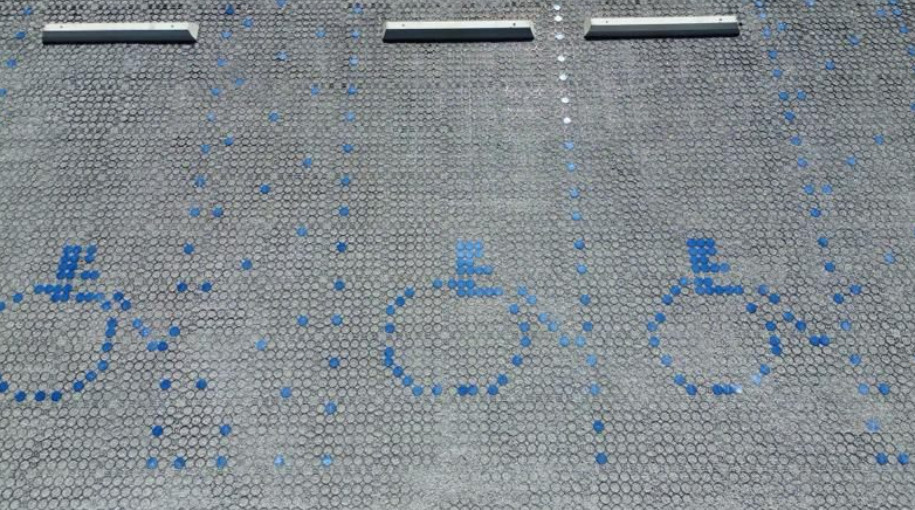
TRUEGRID has been tested for ADA compliance. The infill inside the TRUEGRID cells remains stable, firm, and slip resistant. Adding SnowSpots or SuperSpots can identify the parking bays dedicated to ADA parking.
Proven Stormwater Performance
TRUEGRID systems drain water into the subgrade without needing separate infrastructure. They meet stormwater compliance in regulated zones and reduce surface runoff—even on sloped or soft ground.
Build a Parking Pad That Performs with TRUEGRID Permeable Pavers
At TRUEGRID, we design permeable paving systems to stop rutting, support vehicle loads, and drain water directly through the surface. TRUEGRID’s interlocking cell structure resists lateral shift and surface distortion—even on slopes or soft subgrades. Contact us today for more information.
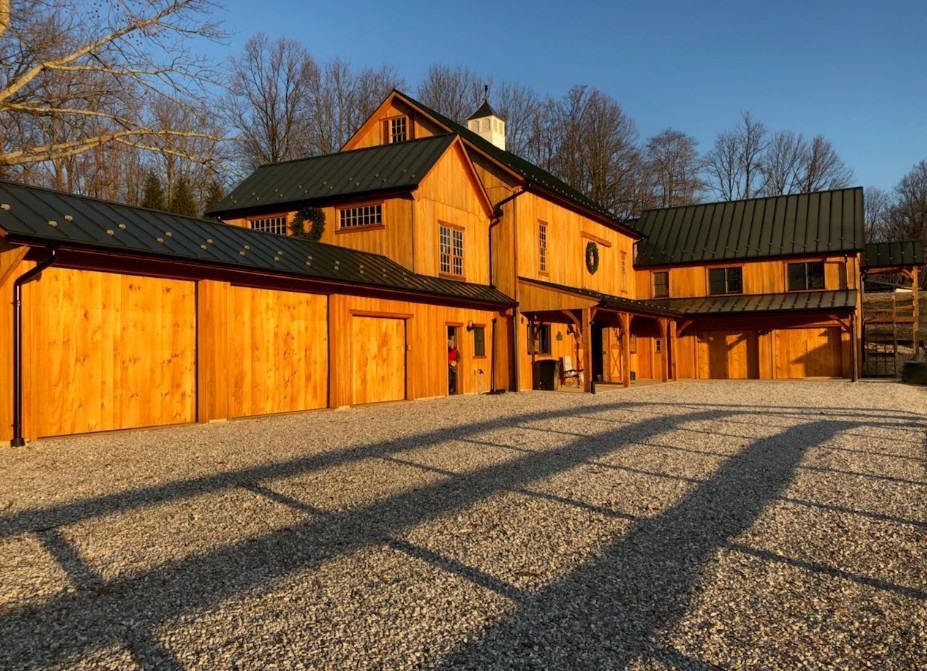
Water must drain properly for a gravel driveway to stay stable. Without drainage, gravel shifts, compacts, and breaks down over time. Effective gravel driveway drainage solutions prevent structural damage and surface failure by controlling both runoff and ground absorption.
Why Drainage Fails in Gravel Driveways
Most gravel driveways begin with clean edges and a compacted surface, but performance depends on more than just the top layer. Graded gravel – typically used on gravel drives – is practically impermeable if the composition isn’t near perfect.
Common Signs of Gravel Driveway Drainage Failure
- Rainwater quickly reveals poor grading or base prep.
- Puddles form in low spots, gravel begins to shift, and rutting takes hold.
These early warning signs indicate drainage failure—and if left unchecked, they accelerate surface erosion and long-term wear.
- Runoff that isn’t diverted or absorbed can saturate the base layer, which undermines stability.
- Fine particles migrate, forming soft spots under load.
- The result is a surface that sinks in places, bulges in others, and requires frequent top-offs or regrading.
Many of these failures are preventable with properly engineered gravel driveway drainage solutions that address both surface and subsurface flow.
The Role of Crowning and Grading
Most driveways rely on a center crown to direct water toward the sides. A common rule of thumb is about 2 inches of elevation per 10 feet of width.
What Is a Proper Crown Slope for Gravel Driveways?
According to DOT and regional grading manuals, driveways should maintain a center crown with a 2% cross-slope—approximately 2.4 inches over 10 feet—to direct water away from tire paths and reduce rutting. Crowns should be rechecked seasonally and regraded as needed after heavy rainfall. Without this slope, water collects in the vehicle path, forming ruts that deepen with each storm.
Crowning only works when paired with a stable sub-base. If the underlying soil is loose, organic, or clay-heavy, even a properly crowned surface will deform. In these cases, drainage must be improved both below and around the surface layer.
Subsurface Gravel Driveway Drainage Systems
When crowning and surface grading aren’t enough, subsurface drainage methods like ditches and French drains help redirect water away from the driveway structure.
How Ditches and Trenches Handle Runoff
On rural sites or open lots, shallow ditches along both sides of the driveway help runoff disperse into surrounding soil. These channels handle high flow volumes and protect the driveway edge from erosion. They’re simple to maintain and work well when space allows.
Deeper trenches filled with gravel or lined with perforated pipe—often called French drains—intercept water along the length of the driveway and redirect it underground to a safe discharge point. French drains should be installed with a minimum slope of 1% (1 inch drop per 10 feet), with trench depths typically ranging from 18 to 24 inches depending on site conditions.
Recommended French Drain Dimensions and Design Tips
- The trench should be 6 to 12 inches wide and 18 to 24 inches deep, depending on runoff volume and site grading.
- Use clean, angular gravel (typically ¾″ or larger) to promote infiltration and prevent settling.
- A perforated pipe should be laid with the holes facing down to allow water collection while preserving structural support.
Once the system is in place, wrap the pipe and gravel with a geotextile fabric to prevent sediment clogging and maintain long-term performance.
Surface-Level Drainage Options
Some driveways require surface drainage strategies, especially in tight lots or where gravel meets structures. Channel drains are often the best solution for controlling runoff when space is limited.
Channel Drain Installation Tips for Tight Spaces
Channel drains are narrow trenches set at grade and covered with a grate. They tie into underground piping and are commonly placed at garage thresholds or driveway aprons—anywhere water has nowhere else to go. These systems work well in space-constrained areas but require precise installation to maintain continuous flow.
- Standard channel drains should be at least 4 inches wide and set on a concrete or stabilized base to prevent shifting.
- Most residential versions are rated to handle 0.5 to 1.0 inches of rainfall per hour.
Channel drains can also be paired with gravel driveway drainage solutions that stabilize the surface while allowing water to filter down rather than run off.
Why Soil Type and Sub-Base Construction Matter
Subsurface drainage depends on more than just gravel. Soil characteristics and the structure of the base layer determine how well water moves beneath the surface—and whether the driveway remains stable under load.
How Soil Type Affects Gravel Driveway Drainage
Sandy soils promote fast drainage and dry out quickly, helping maintain a stable sub-base. Clay soils retain water, slowing drainage and creating moisture buildup beneath the gravel. When water lingers in the base, it destabilizes the surface and increases the risk of rutting or washouts.
Best Practices for Sub-Base Construction
Driveways should include a 4–6 inch base of ¾″ angular stone, which offers both load-bearing strength and pore space for drainage. Avoid rounded gravel or fines-only blends, which compact poorly and restrict water flow. In soft soils, a geotextile fabric beneath the base prevents pumping and migration, keeping the structure intact across soil transitions.
Reinforced Systems That Lock Gravel in Place
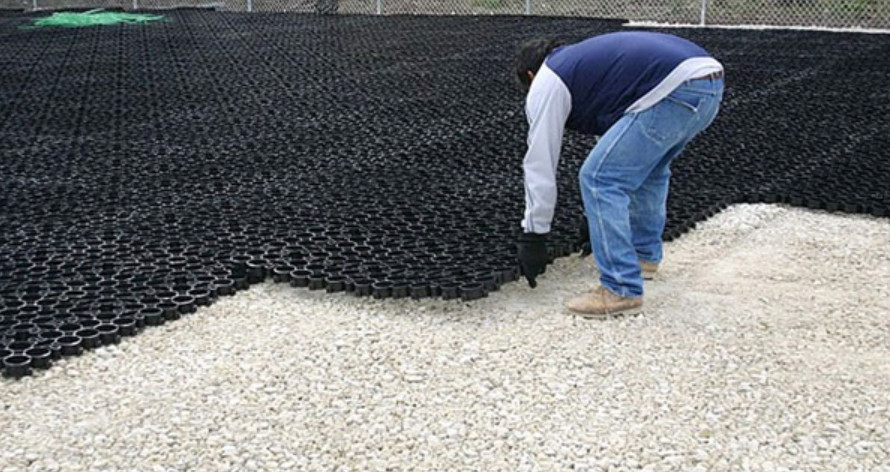
Loose gravel fails under repeated traffic. Vehicle tires push gravel to the edges, create depressions, and scatter surface stone into nearby grass or landscape beds. These effects are worse when drainage is poor. That’s where reinforced systems change the equation.
- Permeable grid systems contain the gravel within individual cells.
- These cells distribute weight, resist movement, and maintain surface evenness under real-world use.
- Gravel stays in place—no raking, no rutting, no washouts.
- Crowning, under-drains, and other engineering is not typically necessary with a grid paver
These engineered gravel driveway drainage solutions lock in surface gravel and eliminate the movement that leads to rutting and edge failure.
TRUEGRID Systems Eliminate Runoff and Rework
Each TRUEGRID system is designed to tackle specific jobsite challenges—such as managing surface runoff, preventing rutting under vehicle loads, and reclaiming space otherwise lost to drainage infrastructure.
PRO LITE: Fast Install, Long-Term Surface Control
TRUEGRID PRO LITE locks gravel into place and drains water directly through the surface—even in tight spaces or soft soils. It installs fast with no curing or sealing. Water moves into the sub-base, not across the surface, eliminating runoff that causes rutting and displacement. Each PRO LITE paver covers a nominal 4 square feet and installs at a rate of up to 500-1000 square feet per person per hour.
PRO PLUS: Strength for Heavy Loads and Daily Traffic
TRUEGRID PRO PLUS withstands repeated HS-20 axle loads without shifting, cracking, or displacement—backed by a compressive strength of over 17,000 psi when filled. It performs under daily use and controls water at the surface. Both systems reduce rework by eliminating the need for sealers, edging, or repeated gravel top-offs.
Recycled Plastic That Eliminates Runoff Infrastructure
Made from 100% recycled plastic, TRUEGRID systems remove the need for separate detention ponds on many sites. Grid-reinforced driveways help recover usable land and meet drainage goals without extra excavation. In many installs, permeable surfaces eliminate up to 21% of land typically set aside for detention.
These grid-reinforced systems are built for real jobsite conditions—supporting heavy use while controlling runoff through the surface.
Prevent Rutting, Displacement, and Washouts with TRUEGRID Gravel Drainage Systems
Design a gravel driveway that drains through the surface—not around it. Our systems stabilize the base, eliminate runoff, and resist rutting under real-world traffic. Contact us today for more information.
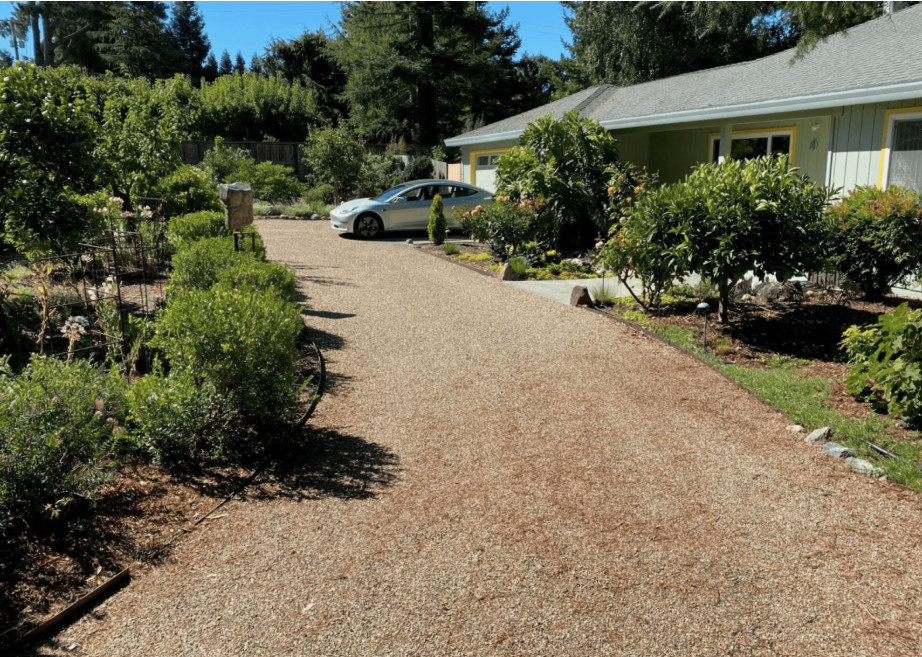
Driveways fail early when the paving material doesn’t match real-world site conditions. Traffic demands, grading, drainage, and long-term durability all affect performance. This guide compares driveway paving options to help you choose a surface that holds up over time.
Gravel, Asphalt, and Concrete: The Most Common Options
Each of these materials behaves differently under real-world use. Here’s how they perform in terms of stability, drainage, and long-term maintenance.
Gravel Is Low-Cost, But High Maintenance
Among the most common driveway paving options, gravel installs quickly with basic tools and drains water directly into the subgrade. Its loose fill is ideal for rural properties or low-traffic lanes. But without solid edge containment, adhesive binders, and a 6–10-inch compacted stone base, gravel driveways quickly rut, shift, or erode—especially on inclines.
Weeds, migration, and frost heave are common maintenance issues. Regular traffic use, water and wind requires the material to be raked back or replenished. Without proper prep and occasional upkeep, gravel offers short-term savings at the cost of long-term stability.
Asphalt Installs Fast But Softens in Heat
Among all driveway paving options, asphalt installs fast and can be ready for traffic within days. Crews pour and compact it in place, forming a smooth, impermeable blacktop. Asphalt absorbs solar heat, which makes it easy to snowplow—but in warm climates, softening and surface bleeding become issues.
Sealing is required every few years to extend life span, especially in freeze-thaw zones where cracks form easily. Expect 15 to 30 years of service with proper sealing and drainage management. Without it, surface degradation can occur within a decade.
Concrete Is Durable But Doesn’t Drain
Poured concrete delivers a strong, low-flex slab that holds its shape under heavy vehicles and sustained use. It’s one of the most durable driveway paving options, especially when installed with controlled joints and a stable subbase. It’s also customizable with scoring or pigmenting.
But concrete is impermeable and prone to cracking in high-moisture or expansive soils. Where elevation changes direct water toward the driveway, runoff builds quickly and may create downstream problems. With professional installation and sealing, concrete driveways can last 25 to 50 years. Typical costs range from $4 to $10 per square foot.
Patching vs. Rebuilding: How Material Choice Affects Repairs
One important consideration with traditional materials is what happens when repairs are needed. Asphalt often requires full resurfacing once cracks and deformation set in. Concrete can’t be patched without visible joints or discoloration.
In contrast, modular systems and permeable surfaces allow for targeted repair without disrupting the entire structure. Although rare, repair can be needed due to vandalism or other external forces, TRUEGRID systems can be topped with fresh gravel or replaced sectionally, reducing long-term repair costs and downtime.
Modular Pavers Add Flexibility and Repairability
Pavers deliver long-term surface performance when installed over a properly prepared base. They allow for material movement without cracking and can be repaired one unit at a time.
Pavers Are Strong, Replaceable, and Built to Flex
Interlocking pavers—brick, stone, or concrete—are engineered to support traffic while adapting to surface movement. They’re often installed with sanded joints and border restraints, which allow seasonal expansion and freeze-thaw behavior without structural failure. Most concrete pavers exceed 8,000 psi compressive strength and can last 50 years or more.
Modularity is the primary advantage. If one paver cracks, you can replace it without tearing up the entire driveway. That makes pavers ideal for homeowners who want a blend of performance and repairability.
Precision and Base Prep Make or Break Performance
To work long term, pavers require compacted subgrade, bedding sand, and consistent leveling. Without proper prep, joints open, pieces shift, or edges sink. Freeze cycles accelerate joint erosion and heaving if the bedding isn’t installed correctly.
Brick and stone pavers cost more—$10 to $30 per square foot—but offer permeability when sand-set. In snow-prone areas, their open joints can reduce frost disruption and help surface water escape.
Permeable Driveway Paver Systems for Drainage and Durability
These systems are designed to reduce surface runoff by draining water through the surface and into a prepared base. They’re often used in locations where impermeable driveways cause downstream flooding, erosion, or compliance issues.
Built to Move Water, Not Shed It
This final group of driveway paving options includes permeable paver systems built for infiltration. These surfaces—typically filled grids or open pavers—allow water to drain vertically through stone-filled cells or joint openings. That water then filters through a compacted open-graded base layer, eliminating surface discharge.
Because the water doesn’t collect or sheet off, permeable systems reduce runoff load on local stormwater infrastructure and help meet retention or infiltration targets. They’re ideal for infill lots, elevation changes, and clay-rich areas where traditional paving fails to drain.
In addition to drainage, permeable systems contribute to groundwater recharge, support urban tree root zones, and filter pollutants such as oil, heavy metals, and road debris before they reach waterways.
Designed to Resist Rutting and Surface Failure
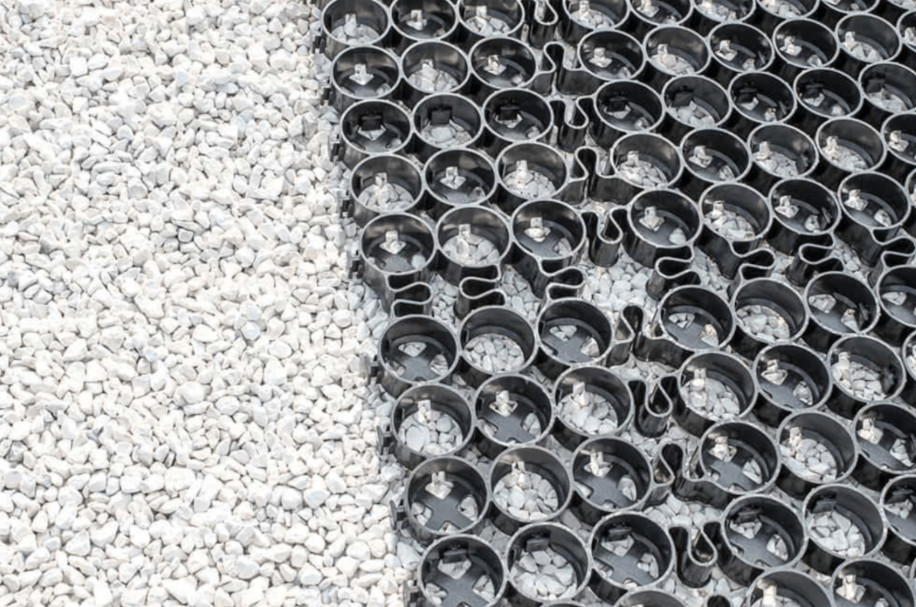
Unlike gravel-only installs, permeable grids lock fill material in place. Recycled plastic panels interlock to prevent movement, and their cell-wall structure spreads load across a wider area. This prevents rutting, potholes, and edge loss even under turning traffic.
These systems don’t require sealing or resurfacing. The fill can be cleaned or topped off without disturbing the grid. That makes them ideal for long-term use with minimal downtime.
Base Layer Matters for Long-Term Drainage
Like all surfaces, permeable driveways require a base layer. Most installs use 100 to 150 mm of clean angular stone beneath the grid to store water temporarily before it filters into subsoil. This base structure handles stormwater volumes and supports loads at the same time.
When installed correctly, permeable systems can outperform concrete and asphalt on challenging properties—especially where rainfall and site geometry complicate traditional paving.
TRUEGRID: Engineered Strength with Built-In Drainage
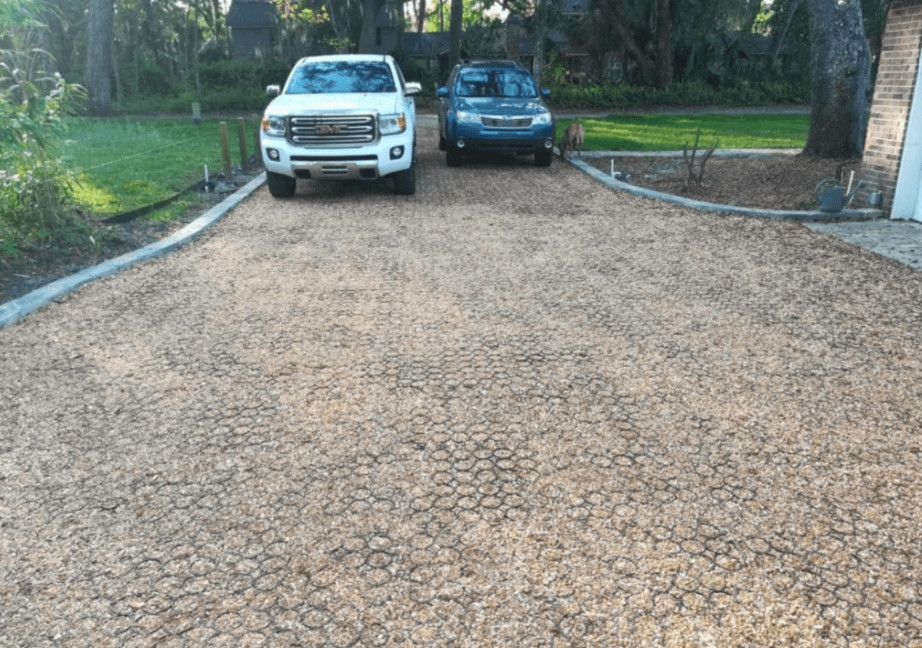
Permeable paving systems from TRUEGRID combine structural strength with built-in stormwater control—delivering a surface that performs where traditional materials fail.
PRO LITE for Residential, PRO PLUS for Heavy Use
TRUEGRID panels are made from 100% post-consumer recycled HDPE and engineered for long-term driveway performance. The PRO LITE system is optimized for residential use, while PRO PLUS handles heavy-duty vehicle traffic and H-20/HS-20 loading. Each 24″ × 24″ unit interlocks to form a stable surface across varied terrain, including soft subgrades and sloped sites.
Fast Install, Real Jobsite Metrics
Installed over 6 to 10 inches of compacted open-graded stone, the system delivers enough compressive strength for any street legal vehicle, and more. Installers can lay up to 1,000 square feet per man-hour without curing delays. Trucks can drive over empty grids during the fill stage to accelerate the process.
Prep Checklist Before Installation
Materials: TRUEGRID PRO PLUS or PRO LITE panels; clean angular gravel (for fill: ½” to ¾”, depending on model, and base: ¾” to 1.5”, depending on model)
Equipment: Grader or skid-steer, compactor, saw (for edge fitting), rake.
Steps:
- Excavate and level the subgrade
- Proof-roll for compaction
- Install geotextile fabric
- Add and compact base in 4″ lifts
- Start panel placement in one corner, locking grids together via male tabs (cut as needed)
- Install SuperSpot or SnowSpot markers if needed for fire lanes or designated parking
- Infill the grid with angular gravel ( ½” to ¾”, depending on model)
Stormwater Drains Through, Not Off
Instead of shedding water like concrete or asphalt, the surface drains vertically through the gravel fill and into the base stone. This process reduces runoff, filters pollutants like oil and sediment, and recharges groundwater naturally. It’s especially effective in clay-rich soils, flood-prone areas, or sloped driveways where controlling runoff plays a major role.
By eliminating the need for detention ponds in many installations, TRUEGRID can help recover land for usable space—adding value to residential and commercial properties alike.
Customizable, ADA-Compliant Surface Options
TRUEGRID allows multiple gravel types to match the surrounding hardscape or landscape. TRUEGRID has been tested to meet ADA compliance standards. SuperSpot and SnowSpot markers can also be added to designate parking areas, accessible zones, or fire lanes.
Install TRUEGRID Permeable Pavers for Surface Stability and Drainage Control
TRUEGRID pavers eliminate surface cracking, rutting, and runoff by draining water through a compacted base. Our system stays locked in place under vehicle loads and performs on clay, varied terrain, and freeze-thaw sites. Contact us today for more information.
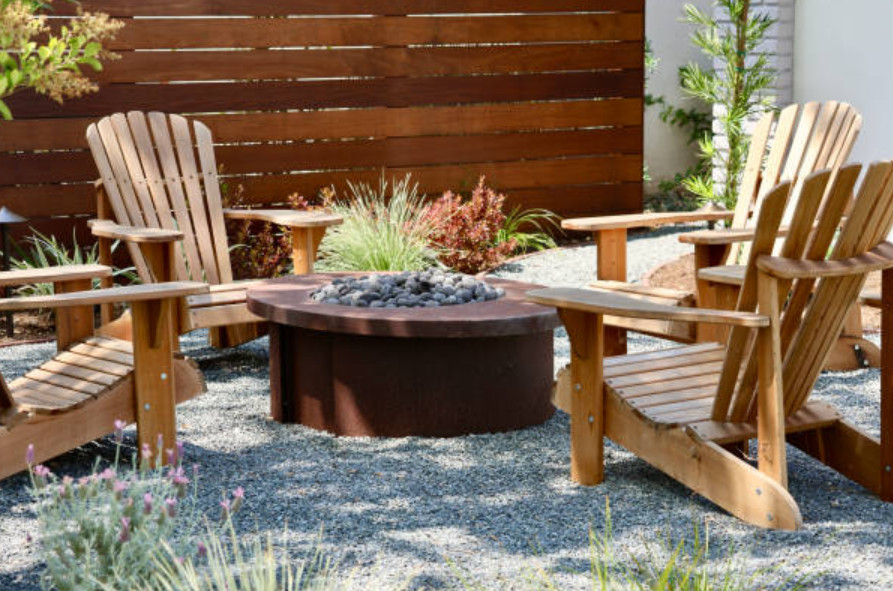
Gravel patios offer drainage, durability, and a clean finish—but only if the right material is used. The best gravel for patio use combines comfort underfoot, reliable drainage, and long-term surface stability. Performance depends on the gravel’s shape, size, and how it behaves under traffic and weather.
Crushed Stone (½”–⅝″ Angular Fill)
Crushed stone offers the best stability for patios. Its angular edges interlock under compaction, keeping the surface firm without sealing off drainage. Sizes between ½” and ⅝ inch provide enough particle variation to prevent migration while allowing water to flow. This type also supports heavy furniture or foot traffic without rutting. This makes it one of the best gravels for patio applications where both drainage and surface lock-in are especially important.
Decomposed Granite (DG) for Compacted Surfaces
DG forms a semi-solid surface when compacted, which makes it good for patios where a firmer feel is needed. It drains reasonably well and locks down tightly. However, it may turn dusty in dry weather or sticky in rain, especially without a binder. It’s best used where runoff control is a bigger priority than comfort. [editors note: pea gravel is not the best fill for inside grid pavers]
Pea Gravel for Comfort-First Patios
Pea gravel is rounded, smooth, and often chosen for visual appeal. It feels soft underfoot but doesn’t lock in place. Without edging and compaction, it shifts frequently. This movement creates uneven areas and increases maintenance. For patios that get daily use, pea gravel must be installed over a stable base and confined properly. [editors note: pea gravel is not the best fill for inside grid pavers]
Decorative Stones with Lower Performance
Materials like marble chips and lava rock are sometimes used in patio settings for appearance, but they fall short in performance. Marble chips tend to crack under pressure and reflect heat, which can make walking surfaces uncomfortable. Lava rock is lightweight and porous, making it prone to scatter or erosion without full containment. These options may work in low-use garden paths, but they lack the strength and structure needed for everyday patio traffic. [editors note: pea gravel is not the best fill for inside grid pavers]
Summary: Which Gravel Performs Best?
Crushed stone offers the best mix of drainage, stability, and compaction, making it ideal for patios that see heavy use. These can also be the best for infill on grid pavers.
Decomposed granite works in dry zones with firm, binder-treated surfaces, but it struggles in wet climates without proper stabilization.
Pea gravel feels soft underfoot but shifts easily, so it’s best for small, comfort-first patios with strong edge control.
Marble chips and lava rock are best reserved for decorative borders or low-use areas due to poor compaction and scattering risk.
What to Consider When Choosing Gravel
The ideal gravel performs in real-world conditions—not just in photos or showrooms. Material size, shape, drainage behavior, and comfort all affect how well a patio holds up.
Particle Size and Shape
Gravel in the 1/2 to ⅝ inch range typically performs best on patios. Angular particles interlock more tightly than rounded ones. Avoid overly fine gravel, which compacts into a near-solid layer and reduces drainage. Overly large stones can create a wobbly, unsafe surface.
Surface Drainage and Infiltration
The best gravel for patio drainage allows water to filter through evenly without pooling. Clean, angular material without excess fines encourages fast infiltration into the layers below. A properly layered system should shed water through every layer—from surface gravel to the underlying soil.
Comfort, Stability, and Refill Cycles
Round stones shift more and feel loose underfoot. Angular gravel stays in place but can feel harder to walk on. The best gravel for patio use strikes a balance between firmness and comfort. Loose gravel often forms low spots and needs periodic top-up, especially in high-use areas like seating zones or walkways.This makes TRUEGRID a top choice for builders
Proper Installation to Prevent Surface Failure
Even the right gravel will fail without the correct base and edge controls. The installation sequence below prevents sinking, washout, and erosion.
Base Preparation and Compaction
Start by excavating 4–8 inches depending on soil and climate. Softer soils like clay or loam require a deeper base—closer to 8 inches—to prevent settling. Sandy or well-draining soils may only need 4 to 6 inches. Add 4–6 inches of compacted road base or ¾” to 1.5” drain rock. This base layer should be made from crushed stone with fines to create a solid, load-bearing foundation or a good drain rock – sharp, hard/angular, uniform size.
- Use a vibratory plate compactor to consolidate each 2 to 4 (maximum) inch lift.
- For proper density, with road base,, aim for at least 95% modified Proctor density or 8–10 passes with a plate compactor.
- On larger installations or areas with vehicle access, grid systems like TRUEGRID PRO PLUS can be used to meet H-20 load ratings, distributing weight evenly and reducing the compaction stress on underlying soil.
When layered correctly, this system supports infiltration rates of up to 800 to more than 1000 inches of rainfall per hour per square foot, depending on the fill and subgrade. That capacity eliminates runoff in most residential settings and keeps the patio surface dry and functional year-round.
Example Layer Stack:
Nonwoven geotextile (on the floor and up the sides)→ 6″ compacted drain rock (1” uniform size) → TRUEGRID PRO PLUS panel → 2″ angular stone infill (¾” uniform size)
Fabric Barrier and Edging
A nonwoven geotextile layer between the excavated area and the stone base prevents material migration and maintains separation between adjacent soils and base layers, which protects the patio structure from settling..
- This permeable fabric allows water to pass through freely while blocking weeds and fine debris.
- It also stops the gravel from working its way down into the sub-base, which can cause settling and surface failure.
- The geotextile fabric acts as a separation layer that protects the structure of the patio from internal erosion.
- Optional: Along the edges, rigid restraints—such as steel, composite, or concrete—hold the gravel in place and stop it from spreading outward under foot traffic or rainfall. Note, the geotextile fabric, placed up the sides of the excavation, all the way to grade will also accomplish this.
How Gravel Grid Systems Lock in Surface Stability
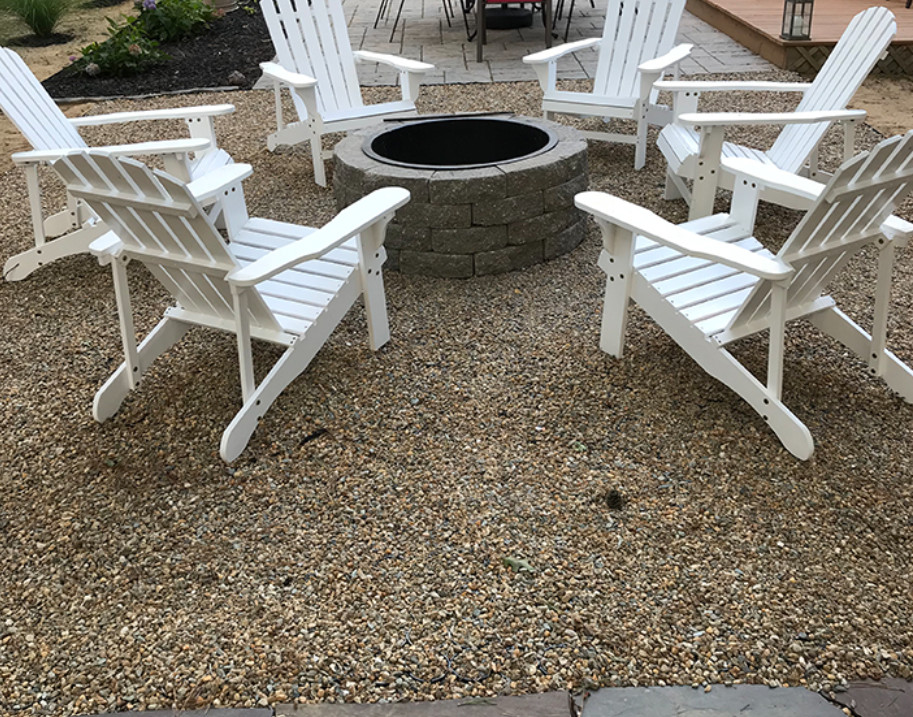
Some patios need more than layering and edging. Gravel grid systems lock stone in place and reduce surface wear.
Structural Behavior Under Load
Gravel grid panels distribute pressure evenly across the base. They prevent displacement from foot traffic, carts, or furniture legs, and for retail or commercial applications, they can support food trucks, delivery trucks, and more. This keeps the surface smooth and minimizes rutting—especially in patios that see daily or heavy use.
Drainage and Surface Longevity
Gravel grids also improve infiltration. Water moves through the gravel, into the grid cells, and down to the base without pooling. This prevents erosion and helps patios dry quickly after rain. It also extends the life of the surface between maintenance cycles.
TRUEGRID System Integration
TRUEGRID’s permeable panel systems form a stabilized gravel surface that resists rutting and handles traffic without shifting.
- For residential patios, TRUEGRID PRO LITE provides a lightweight, easy-to-install panel that keeps gravel firmly in place and reduces maintenance. With a proper base layer, these grids can also support residential cars, trucks, and RVs.
- For patios that may see heavier loads—food trucks, delivery access. or utility access—TRUEGRID PRO PLUS adds extra panel strength with built-in flex joints and H-20 load capability.
Both systems are filled with angular stone and require no sealing, curing, or chemical treatment. Once installed, they create a clean, permeable surface that stays level, sheds water quickly, and performs season after season. TRUEGRID gives builders a proven way to create the best gravel for patio systems—stable, durable, and code-aligned.

Code-Friendly Stormwater Compliance
Stabilized gravel patios using permeable grid systems are often recognized as pervious surfaces under local drainage codes. This can help homeowners stay within impervious coverage limits, reduce runoff obligations, and avoid the need for separate stormwater infrastructure.
Maintenance Tips to Extend Patio Life
A gravel patio is only as good as its upkeep. Maintenance schedules and proactive checks can keep it working for years.
Rake and Refill Intervals
High-use areas may need light raking monthly and gravel top-up every 2–3 years. Migration is reduced with proper edging and grid systems, but some refill is normal.
Note: patios using gravel grids will require very little maintenance. Refilling of gravel, raking, or brooming are typically never necessary.
Preventing Weeds and Surface Wear
Weeds thrive in organic debris between gravel layers. Keep the surface clean and replace any clogged sections of fabric if water stops draining. Compact any soft spots that appear over time to prevent low points or puddles.
Note: TRUEGRID patios will typically reduce any need for compaction, low spots, or puddles.
Choose TRUEGRID for a Stable, Low-Maintenance Patio
Design a gravel patio that resists rutting and eliminates surface shift. TRUEGRID’s permeable panel systems lock gravel in place, reduce upkeep, and support traffic without cracking. Contact us today for more information.
