Driveway projects often begin with a visual goal, then quickly collide with budget realities. Brick remains one of the most requested materials because it delivers a timeless, upscale appearance. Cost expectations, however, are frequently based on material pricing alone rather than full installation scope. Understanding the brick for driveway price requires examining labor, site preparation, design complexity, and long-term maintenance exposure.
Understanding The Brick For Driveway Price
Brick driveways typically fall within a moderate-to-premium cost range compared with other residential paving materials. While regional differences apply, installations often fall between $10 and $30 per square foot installed. This figure reflects not only brick costs but excavation, aggregate base construction, bedding layers, edge restraints, and skilled labor.
Material-only estimates rarely capture the full investment. A pallet price for brick may appear reasonable, yet installed pricing rises once base preparation and crew hours are included. Soil stability, access limitations, and drainage corrections can push projects toward the upper end of the range. A detailed breakdown of typical installation considerations appears in discussions surrounding a properly designed brick driveway.
What Drives Brick Driveway Costs
Price variability in brick driveway projects rarely stems from a single factor.
Material Selection And Brick Type
Clay bricks generally command higher prices than concrete bricks due to firing processes, density, and long-term durability characteristics. Load-rated paving bricks designed for vehicle traffic also cost more than thinner architectural bricks.
Color blends, specialty finishes, and reclaimed brick selections influence pricing tiers further. Lower-cost decorative bricks may reduce initial material spend but can introduce cracking or spalling concerns under repeated loading. Material comparisons often arise when evaluating bricks vs pavers for driveway applications.
Site Preparation And Base Construction
Excavation depth significantly affects total cost. Residential driveways require a compacted aggregate base capable of distributing vehicle loads while resisting settlement. Weak, expansive, or moisture-sensitive soils demand thicker base layers.
Drainage adjustments, geotextile stabilization, and grading corrections add equipment time and material volume. Attempts to reduce upfront cost by minimizing base thickness often produce uneven settlement, shifting bricks, and corrective repair expenses later.
Labor And Installation Complexity
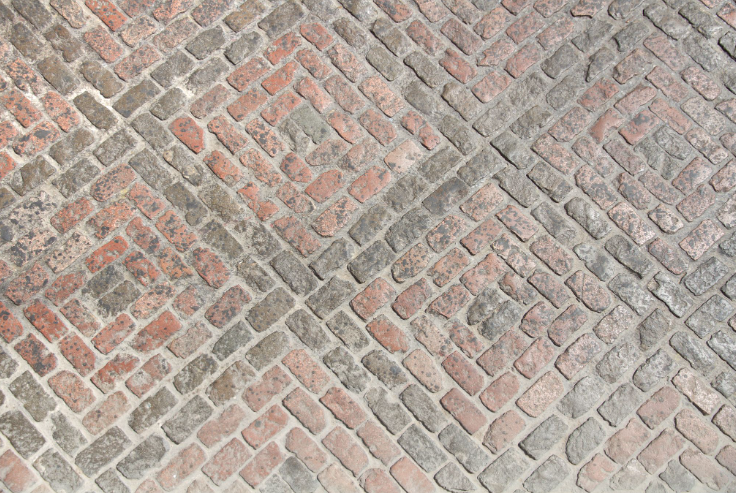
Brick driveway installation is labor-intensive. Individual units require careful placement, alignment, spacing, cutting, and joint preparation. Pattern selections such as herringbone increase cutting waste and placement time.
Curved edges, decorative borders, and intricate layouts extend crew hours further. What initially appears to be a manageable brick for driveway price frequently expands once design decisions increase labor complexity.
Hidden Costs That Affect Long-Term Spend
Long-term ownership costs often exceed initial installation expenses. Brick joints rely on sand or polymeric fillers that can erode, migrate, or support weed growth. Periodic re-sanding, leveling, and weed management become recurring maintenance tasks.
Surface staining, moss growth, and localized settlement corrections also contribute to lifecycle expenses. Over time, these maintenance patterns reshape how homeowners evaluate the brick for driveway price, shifting focus from installation cost to long-term upkeep demands.
Cost Comparison With Other Driveway Materials
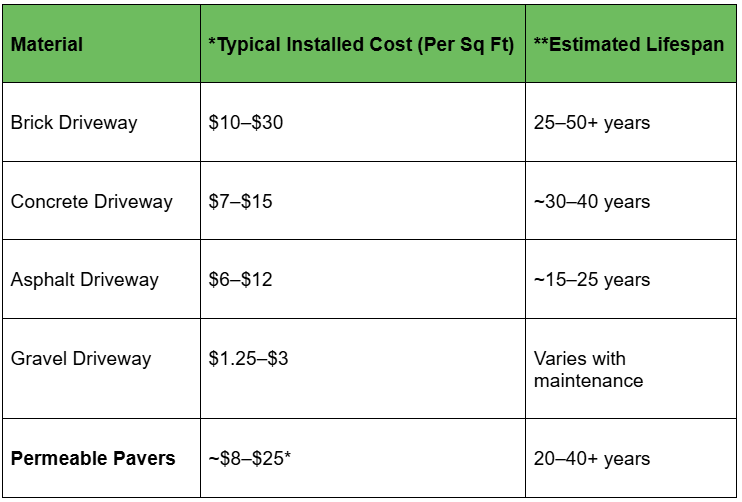
*Driveway paver prices vary widely within brick and concrete paver categories depending on thickness, strength ratings, and regional labor rates.**Service life varies by conditions, including climate exposure, base construction quality, traffic loads, and ongoing maintenance practices.
Lower-cost materials may reduce upfront investment but introduce resurfacing cycles, crack repairs, replenishment needs, or grading corrections. Brick delivers durability yet remains sensitive to base stability and joint maintenance.
Affordable Alternatives To Traditional Brick Driveways
Budget-driven projects often benefit from evaluating lower-cost surface options.
Gravel And Crushed Stone
Gravel offers one of the lowest initial installation costs. Material expenses are modest, and installation complexity is reduced. Maintenance demands, however, include periodic grading, replenishment, and migration control.
Loose aggregate surfaces may rut under repeated traffic without structural stabilization. Surface reinforcement strategies are often discussed among practical driveway alternatives.
Concrete And Asphalt
Concrete and asphalt commonly present moderate upfront pricing. Concrete provides compressive strength but may crack under freeze-thaw stress. Asphalt resists cracking initially yet requires sealing and resurfacing cycles over time.
Temperature fluctuations, UV exposure, and subgrade movement influence durability and repair frequency.
Permeable Grid Paver Systems
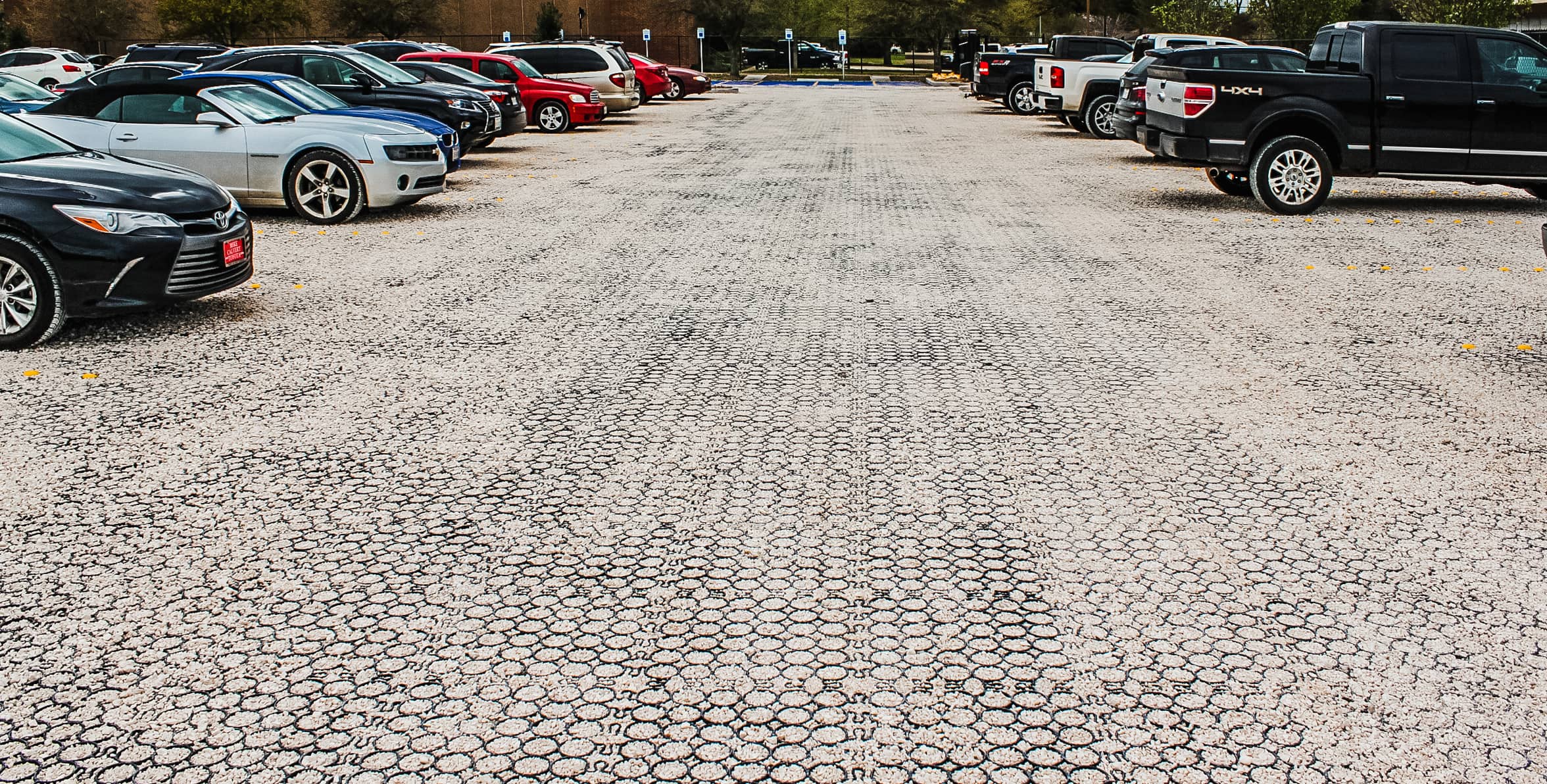
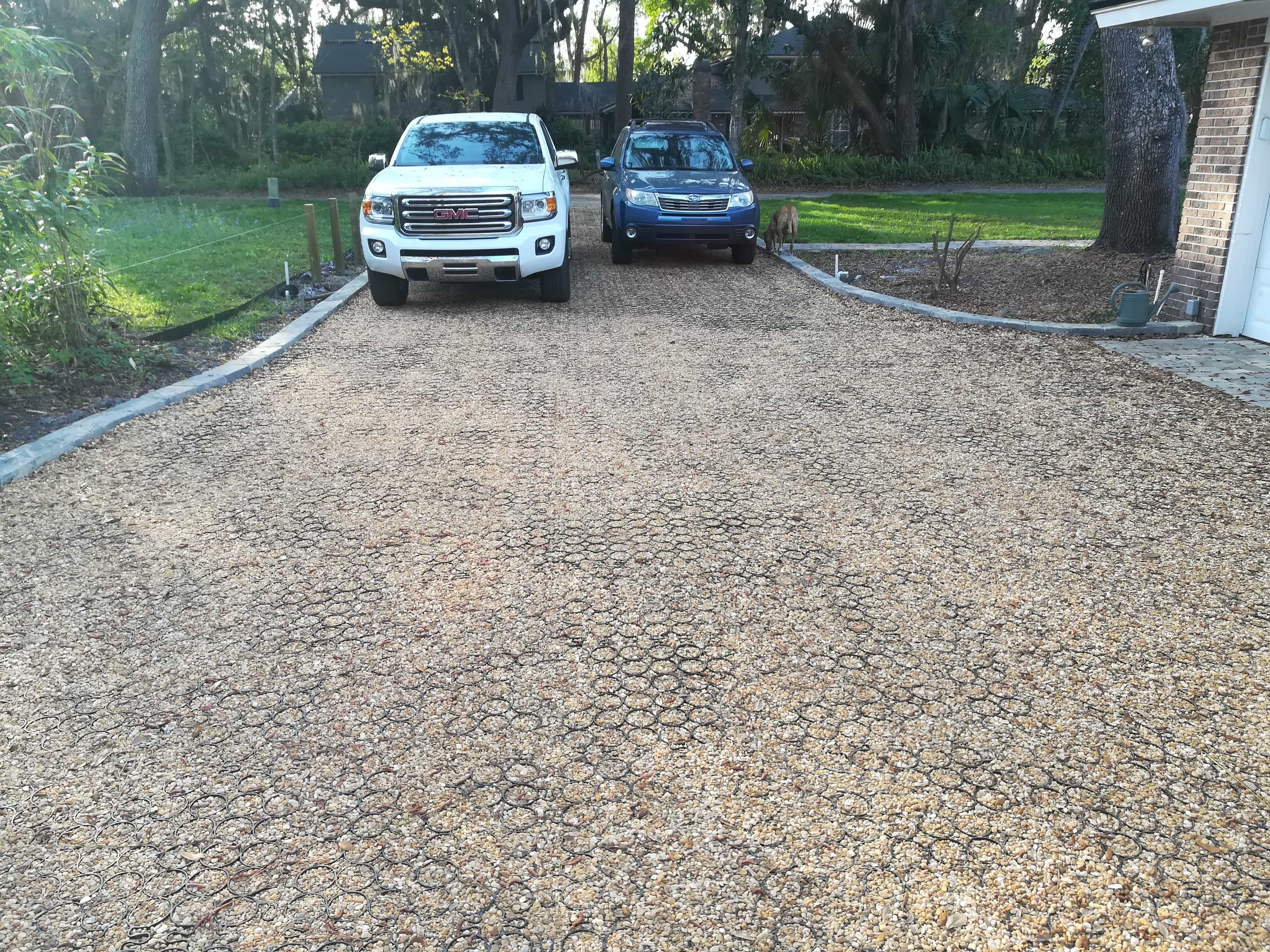
Permeable grid systems stabilize aggregate while allowing water infiltration. Installation often requires less excavation depth for many residential applications, particularly where heavy-duty traffic is limited.
Reduced base requirements can lower trucking, aggregate, and labor expenses. When evaluated against the brick for driveway price, permeable grids frequently deliver cost advantages while improving drainage performance and limiting maintenance corrections.
Projects focused on expanding parking or access areas frequently evaluate methods to extend driveway with pavers using grid-based systems.
Performance And Maintenance Differences
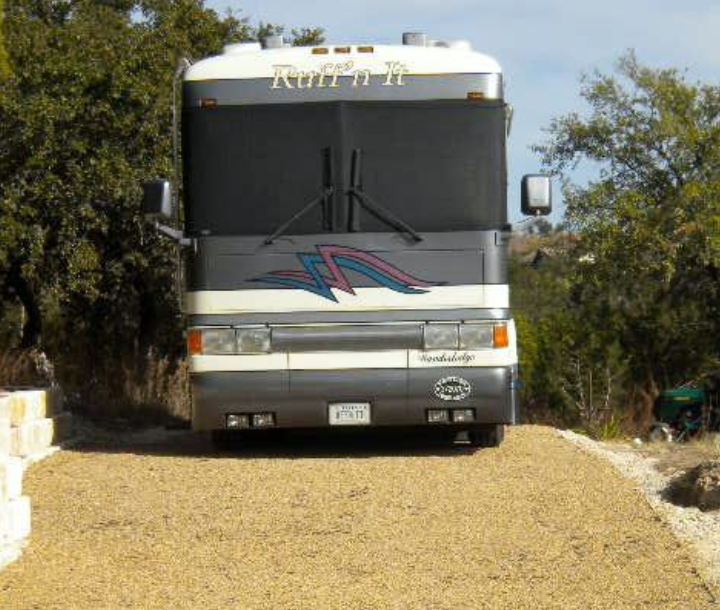
Surface durability is shaped by both material properties and the structural design beneath the driveway.
Brick driveways deliver excellent compressive strength and long-term visual appeal, yet their performance depends heavily on proper base preparation. Settlement, joint erosion, and isolated movement can introduce maintenance demands that accumulate gradually over time.
How Common Materials Behave Over Time
- Brick Driveways – Durable surface units, but sensitive to base movement and joint erosion
- Gravel Driveways – Low upfront cost with recurring grading and replenishment needs
- Concrete Driveways – Strong slab performance with crack potential under stress
- Asphalt Driveways – Flexible surface requiring sealing and resurfacing cycles
Permeable grid systems approach durability differently by stabilizing aggregate within a load-distributing matrix. This structure helps limit rutting, displacement, and standing water, supporting more consistent surface performance under repeated vehicle traffic.
Regional And Seasonal Cost Influences
Driveway installation costs rarely remain static because environmental conditions and scheduling variables exert measurable influence.
In freeze–thaw climates, deeper excavation and thicker aggregate bases are commonly required to prevent heaving and settlement. Soil composition, drainage behavior, and moisture retention further shape stabilization needs.
Key Variables That Affect Pricing
- Climate Zone – Freeze/thaw intensity impacts base depth requirements
- Soil Conditions – Expansive or weak soils increase stabilization costs
- Drainage Characteristics – Poor drainage adds corrective preparation steps
- Seasonal Timing – Labor rates may fluctuate with contractor demand
Labor pricing may shift seasonally. Periods of lower demand sometimes create cost advantages, although weather constraints can influence installation timelines and compaction quality.
These regional and seasonal factors help explain why the brick for driveway price varies substantially across projects.
How To Choose Based On Budget And Project Goals
Selecting a driveway surface involves balancing aesthetic priorities, installation cost, durability expectations, and maintenance exposure. Brick remains appealing for traditional architectural character and long service life potential. That investment requires acknowledging higher upfront cost and ongoing joint maintenance.
Decision Priorities To Consider
- Appearance Goals – Traditional brick vs modern or natural finishes
- Budget Constraints – Upfront installation vs lifecycle costs
- Maintenance Tolerance – Willingness to re-level, reseal, or replenish
- Drainage Needs – Runoff reduction and permeability benefits
Gravel surfaces support lower initial budgets but introduce recurring upkeep. Concrete and asphalt offer moderate entry pricing with distinct repair patterns. Permeable grid systems combine structural stability, drainage performance, and predictable installation workflows.
Understanding these tradeoffs allows homeowners and contractors to align driveway decisions with realistic financial and functional objectives.
TRUEGRID® Permeable Pavers: A Cost-Competitive Alternative
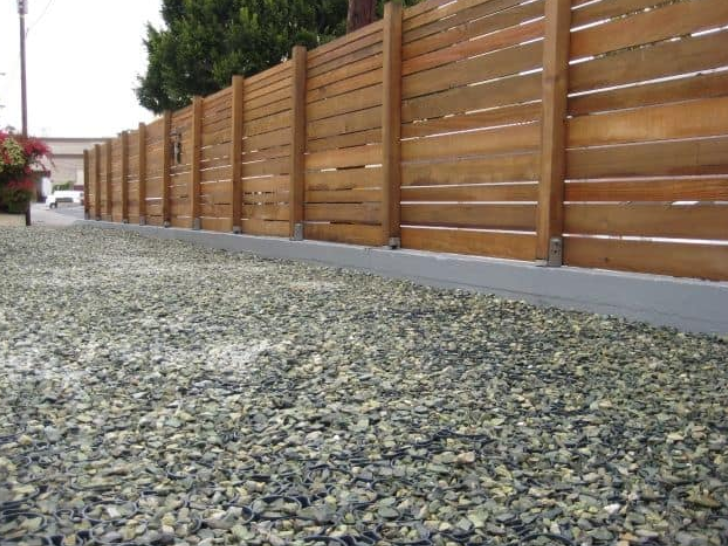
TRUEGRID® permeable pavers stabilize gravel surfaces while supporting natural drainage and long-term load distribution. The interconnected grid structure reduces rutting, migration, and repeated leveling common with loose aggregate driveways. TRUEGRID is also tested to be many times stronger than concrete or asphalt in compressive strength. Contact us today to explore driveway designs that balance durability, appearance, and predictable installation costs.