
Residential Driveway Paving: Choosing the Best Surface for Your Home

A residential driveway serves both a structural and aesthetic role. It must perform under daily loads and contribute to the exterior look and value of the home. The right residential driveway paving solution balances strength, maintenance, and drainage efficiency.
Choosing the Right Material for Residential Driveways
Every driveway begins with a critical material decision. That decision affects installation time, structural durability, drainage behavior, and cost of ownership.
Concrete and asphalt are familiar options, but they bring tradeoffs. Concrete is prone to cracking under freeze-thaw cycles, and asphalt may soften in extreme heat. Both are impermeable and contribute to stormwater runoff.
Newer materials like permeable grid pavers offer real drainage performance. They reduce standing water and protect the sub-base from erosion. Materials should be chosen based on climate, site slope, and usage expectations.
Cost and Lifespan Comparison by Material
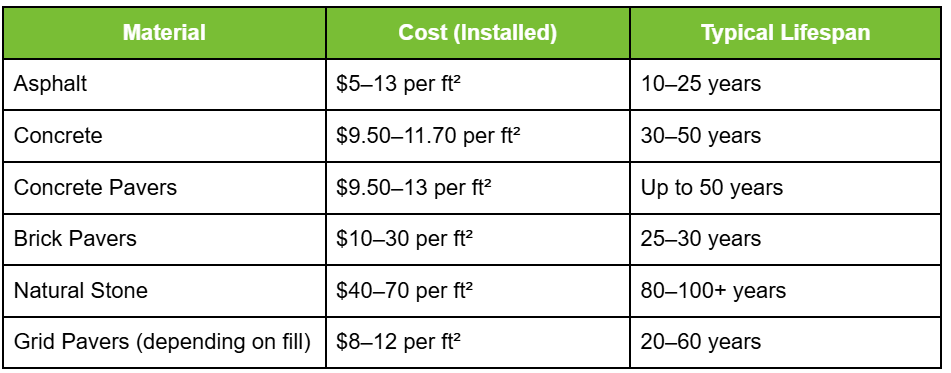
Recycled plastic grid pavers may cost more upfront than poured concrete, but they eliminate sealing, reduce upkeep, and handle runoff better—lowering long-term cost and effort.
Common Paver Sizes and Impact
Concrete and brick pavers typically measure 4×8 inches. Grid paver systems come in larger sizes including 24” x 24” pavers. Variations in paver sizes can be achieved by cutting pavers.
How Driveway Site Conditions Affect Material Selection
Driveway performance depends on more than surface durability. Sub-base conditions, soil type, drainage flow, and slope all influence material choice and installation success.
Load and Traffic Expectations
Daily use from parked vehicles, occasional equipment, and deliveries places steady pressure on the paved surface. Surfaces must carry this load without cracking, sagging, or shifting. In some cases, materials must be rated for H-20 loads to accommodate heavy vehicles.
Soil Stability and Drainage
Soft or expansive soils may require deeper base layers and reinforced edging. Sites with poor drainage need permeable surfaces to control runoff and protect adjacent landscaping or structures. Erosion at the edges often indicates poor water management below the surface.
Clay-heavy soils with low permeability require an underdrain system below the base layer. Most installations require at least 6 to 8 inches of compacted crushed stone beneath the surface material to manage structural and drainage loads.
Climate and Freeze-Thaw Behavior
In cold climates, snow removal makes freeze-thaw resistance a necessary surface characteristic. In humid or hot regions, UV exposure and thermal expansion can cause softening or deformation in untreated surfaces. Surface choice must align with the environmental conditions year-round. Plastic grid pavers eliminate these problems with expandable joints and the ability to flex.
DIY vs Professional Installation
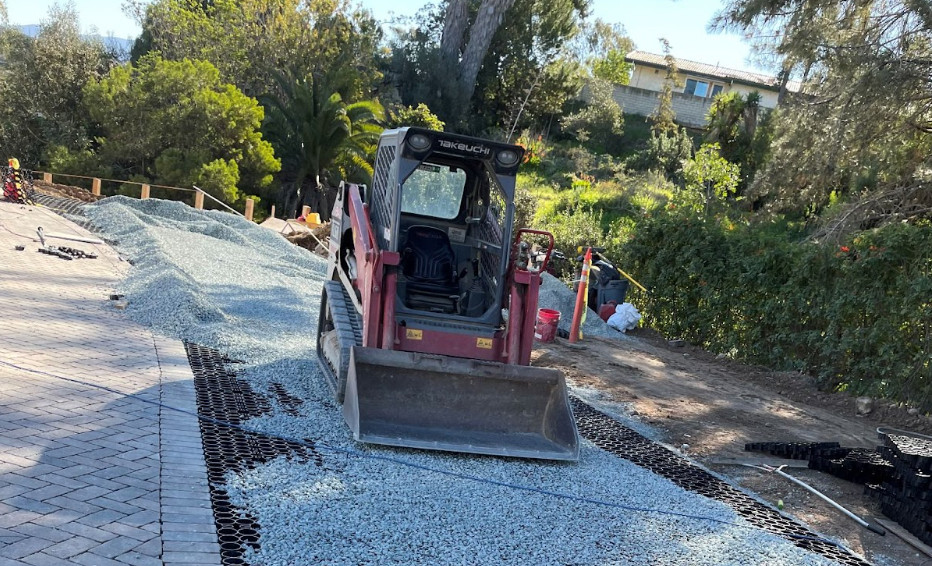
While some materials like gravel or concrete blocks may be manageable for an experienced DIYer, most residential driveway paving projects require excavation, compaction, and drainage planning.
DIY installations reduce labor costs but increase project timelines and may compromise long-term performance if not executed precisely. Concrete and asphalt require specialized tools and crew coordination. Plastic grid pavers offer the easiest install path with hand tools and clear locking systems, reducing time and equipment needs.
Installation Timing and Project Planning
Driveway timing affects both cost and durability. Every installation has an optimal weather window, equipment requirement, and cure time to consider.
Seasonal Scheduling
Spring and fall often offer the best mix of temperature and moisture for driveway construction. Summer heat may accelerate curing, but extreme conditions complicate compaction and alignment. Winter installation often risks failure due to freezing subgrade or insufficient bonding.
Equipment and Labor Availability
Systems that avoid heavy equipment or long cure times can reduce scheduling complexity. Materials that install with basic tools or modular formats streamline both DIY and contractor builds.
Surface Performance and Maintenance Requirements
Driveway materials vary in real-world durability. Load tolerance, drainage, surface wear, and repair ease all impact cost and performance. Routine upkeep plays a major role in extending the life of any residential driveway paving system, especially when exposed to seasonal moisture and heavy daily use.
Common Failure Signs and Causes
Cracks, rutting, standing water, and edge separation all indicate material failure. These issues are often caused by insufficient base prep or poor drainage handling—not just surface wear. The ability to flex and move with external forces keeps plastic grid pavers virtually immune from these problems.
Maintenance Demands by Material Type
Asphalt requires resealing every few years. Concrete may need patching and joint maintenance. Pavers can be spot-repaired but may shift if edges aren’t properly restrained. Permeable systems need debris and sediment to be kept from the surface. Power sweeping or vacuum removal restores flow and function.
Grid Pavers as a Long-Term Solution
Plastic cellular grid paver systems use recycled materials to form lightweight, interlocking panels. These systems combine structure, built-in drainage, and long-term surface durability—without cracking or runoff. For projects where runoff control and low maintenance are top priorities, grid pavers offer a resilient and environmentally smart residential driveway paving solution.
Drainage, Durability, and Structural Behavior
Grid pavers stay dimensionally stable across temperature swings, can flex with dynamic loads sub-soil moisture levels, and resist edge deformation under load. Modular panels lock in place and distribute pressure evenly—preventing shifting or rutting over time. Most systems handle H-20 loads for residential use and commercial use.
Water flows through gaps or open-grid sections into the engineered base layer. This controls runoff, eliminates pooling, and extends pavement life.
Ease of Placement and Panel Repair
Recycled plastic grid panels are light enough to install by hand and lock together without additional tools. Installation requires no curing, sealing, or surfacing. If damage occurs, individual panels can be removed and replaced without disturbing the surrounding driveway.
Final Material Considerations Before Purchase
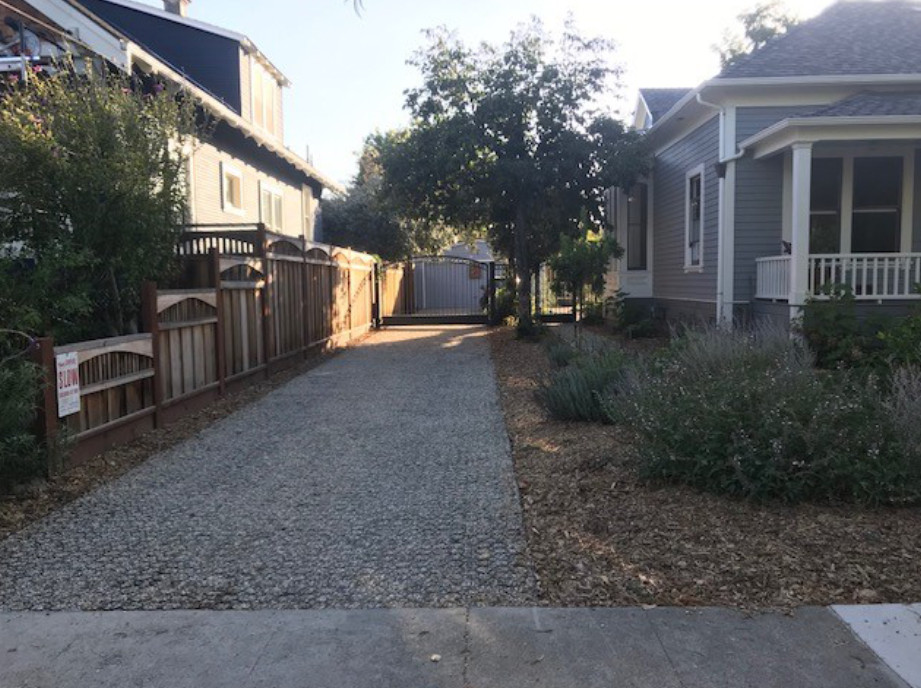
Before selecting a system, evaluate how runoff, traffic load, and base conditions affect long-term performance.
Code Readiness and Permit Impacts
Many cities now limit how much runoff a driveway can discharge. Projects that meet these limits upfront avoid detention costs and permit delays. Materials with built-in permeability reduce detention needs and simplify permit approval in regulated drainage zones. Whether planning new construction or replacing an older surface, choosing the right residential driveway paving system affects permitting, surface lifespan, and future maintenance needs.
Permeable Grid Paver System Advantages
Grid paver systems are engineered for long-term service life, especially where traffic and runoff converge in small residential sites. These systems lower both water-related maintenance and overall pavement stress. TRUEGRID’s permeable pavers are built for exactly these applications—combining H-20-rated load capacity with proven drainage performance and minimal surface maintenance.
TRUEGRID PRO LITE for Everyday Driveways
TRUEGRID PRO LITE is ideal for residential driveways, offering a lightweight panel system made from 100% recycled plastic that resists shifting and ruts under everyday vehicle traffic. It installs easily over a stabilized base and supports grass or gravel infill for a clean, low-maintenance finish.
TRUEGRID ROOT for Grass-Surface Driveways
TRUEGRID ROOT provides a driveable grass surface without excavation, using a patented cell and grid design to lock directly into the ground and stabilize turf under vehicle load. It’s a practical choice for overflow parking or green-access driveways where minimal site disturbance is essential. ROOT can often be installed without a permit (check your local codes) since there is typically no need for excavation.
Long-Term Performance Outlook
From structural stability to site drainage, TRUEGRID systems are engineered for driveway performance that holds up year after year.
Design a Low-Maintenance Driveway with TRUEGRID Permeable Pavers
TRUEGRID’s permeable paver systems handle daily residential traffic and eliminate surface runoff with a durable, zero-maintenance surface. Our solutions install fast, resist rutting, and help reduce site drainage requirements. Contact us today for more information.
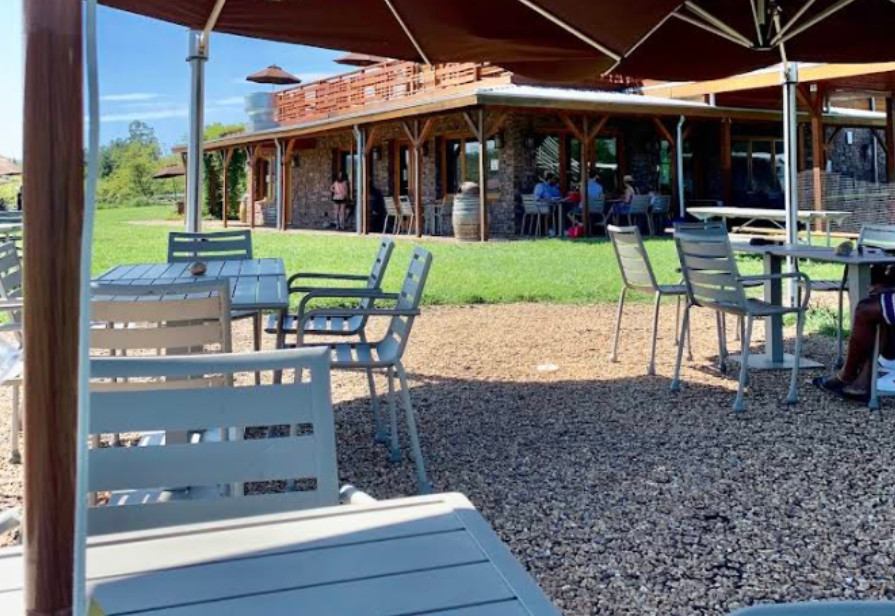
Water that collects on a patio doesn’t drain off—it soaks in, breaks down the base, and leaves a surface that won’t last. Without proper drainage, patios shift, settle, and fail well before their expected lifespan. That’s why planning effective drainage for patio surfaces is important from the start.
Why Drainage Fails Without Ground-Up Planning
When water sits after a storm, it doesn’t just evaporate. It seeps into the sub-base, loosens aggregate, and pushes apart the structural layers. Over time, this leads to cracks, uneven surfaces, and costly repair cycles.
Most patios are built flat or near structures—areas that trap water without the right slope or soil preparation. Poor drainage shows up slowly, but its impact accelerates as moisture undermines stability.
Grading and Site Walks Identify Water Trouble Zones
Grading diagnostics should come first. Runoff naturally follows the lowest point. Walk the site during or after rain to locate pooling. Water that collects near foundations, stairs, or paver seams needs to be rerouted.
A simple slope laser or string line can verify grade. The surface should fall at least 1/4 inch per foot away from the house. Anything less risks saturation in heavy storms.
Build Drainage Into the Base—Not Over It
Slope isn’t an afterthought. It must be embedded in the patio’s structure before pavers or concrete are ever installed.
Slope as a First Line of Defense
Every patio needs a grade of at least one-quarter inch per foot to move water away from the surface. This slope should direct runoff toward grass, gravel, or a managed outlet—not back toward the foundation.
Without slope, water backs up against structures or collects in seams. If the patio is confined by walls or steps, plan a subsurface drain or permeable system early—before excavation starts.
Foundation Layers That Move Water
A stable patio starts with base materials that support traffic and manage how water flows through the system.
Compactable Base Depth and Aggregate Sizing
Below the surface, crushed angular stone moves water laterally and resists compaction.
- Use 6 inches of compacted 3/4-inch clean gravel beneath a 1-inch bedding layer. Note: Plastic grid systems typically require less base depths and no bedding layers.
- Set each layer in lifts and run a plate compactor across the surface after each pass.
In high-traffic areas, compact each layer to refusal to prevent future rutting. Keep stone angular and uniformly graded to maintain void space for drainage.
Geotextile Barriers and Joint Fill Behavior
In some projects, a geotextile fabric layer prevents soil fines from migrating upward into the stone base. This keeps flow paths open during freeze-thaw cycles or heavy rain.
Polymeric joint sand or permeable infill aggregate should be chosen based on whether the system is designed to shed water or absorb it. Dense polymeric joints block flow, while open-graded gravel lets it pass into the base. This choice directly affects how well the entire drainage for patio system performs over time—especially in areas with freeze cycles or poor soil infiltration.
Drainage Systems for Sites That Can’t Absorb Water Naturally
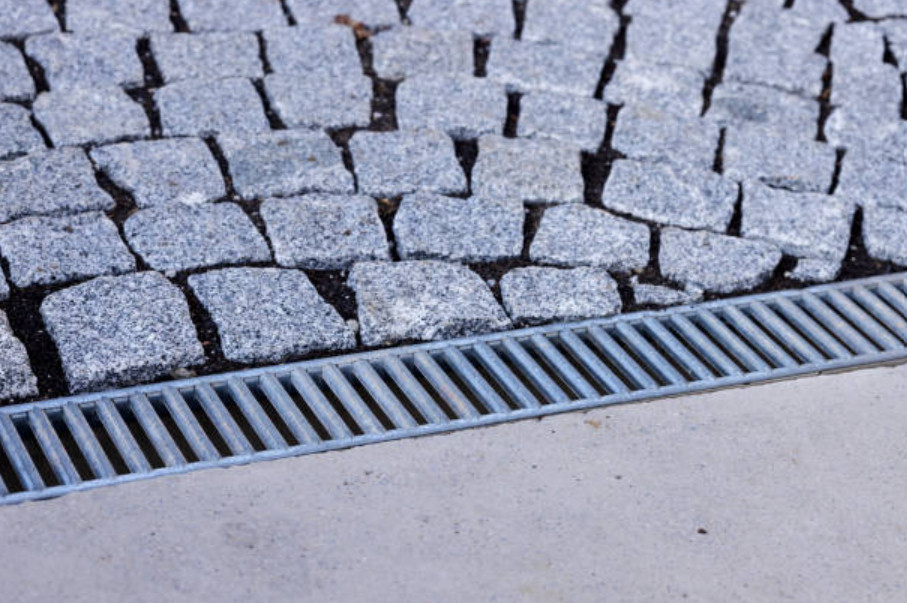
Some properties can’t rely on slope alone. Flat yards, clay-heavy soils, or patio locations near buildings need mechanical drainage systems.
Linear Drains and Channel Grates
These are surface-level systems that collect water through a grate and move it into underground pipe. They’re ideal for large hardscapes, especially those bordering a home.
- Installation begins with a trench wide enough to accommodate the drain body plus 4 inches on each side for backfill.
- Set the channel drain into a 2-inch bed of compacted gravel, level it with a screed, then pour concrete along the sides to lock it in place.
- Always connect the outlet to a downhill discharge point.
After installation, run a water test with a garden hose to ensure proper flow and verify no backflow against the patio edge.
French Drains for Subsurface Flow
A French drain sits below ground level, using perforated pipe wrapped in gravel to collect water from below the patio. It redirects flow away from the structure and prevents sub-base saturation.
Excavate a trench about 18 inches deep and 8–12 inches wide. Lay landscape fabric along the trench sides and bottom. Insert a perforated 4-inch pipe with the holes facing downward. Surround it with 3/4-inch gravel, fold over the fabric, and backfill with soil or stone. These systems perform well in low points where surface pooling recurs.
Dry Wells and Overflow Control
Dry wells hold excess water temporarily and allow it to seep into the soil over time. They’re often used in conjunction with French drains and channel systems where surface runoff must be reduced.
Prefabricated dry wells or gravel-filled pits both work, provided the local soil drains adequately. Avoid using them in compacted clay or high water tables without a filtration zone.
Drainage for Patio Builds with Permeable Surfaces
Permeable paver systems provide surface-level drainage by allowing water to pass directly through.
Vertical Drainage Through Pavers
Instead of running off the surface, rainwater moves into open joint lines and is stored in the stone base below. This eliminates surface pooling and prevents water from moving toward the house or neighboring properties.
Because water flows through rather than around, drainage for patio surfaces becomes self-contained. There’s no need for pipe connections, discharge points, or curb cuts—just proper base prep and vertical space.
Reduced Maintenance and Repair Needs
Because water drains down instead of sitting on the surface, permeable patios resist cracking, rutting, and freeze-related damage. There’s no sealing required, and damaged units can be lifted and reset without redoing the whole area.
Seasonal maintenance is simple. Periodically sweep off debris and blow loose leaves from the surface. Keep sediment away from the surface. Larger base stone also helps prevent freeze expansion during winter.
Real Performance on Tight Job Sites
Permeable systems shine where drainage infrastructure isn’t feasible. On tight urban lots or narrow side yards, they eliminate the need for excavation, piping, or slope regrading.
Where stormwater rules prevent runoff into alleys or sidewalks, a permeable system keeps flow onsite. It handles volume at the surface and controls storage below, especially when tied to a reservoir base layer.
TRUEGRID Permeable Systems: Built to Handle Water and Load
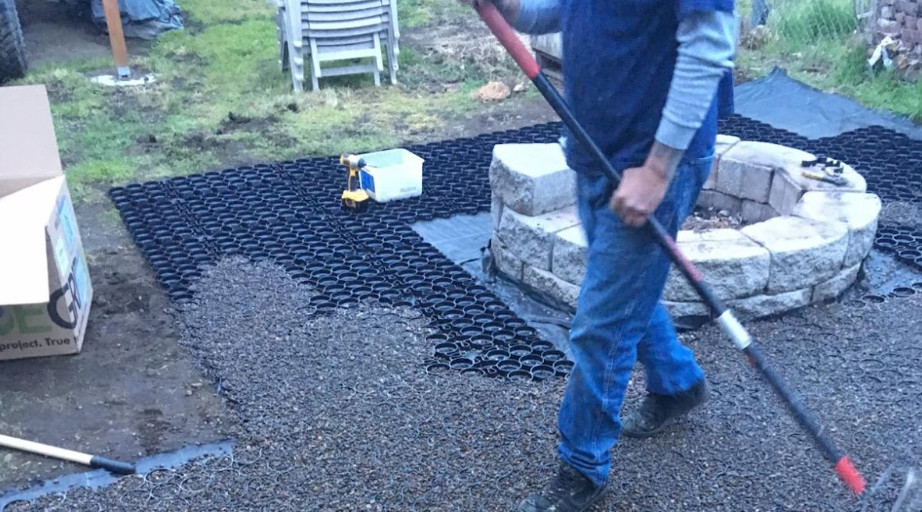
A well-drained patio needs performance at the surface and below. TRUEGRID PRO LITE is designed specifically for residential use—handling patios, walkways, and light traffic areas without surface cracking or rutting. It installs over a clean stone base that holds stormwater, supports daily use, and eliminates runoff at the source.
Recycled Materials That Work in the Field
Each grid is made from 100% recycled plastic and locks together for fast install. TRUEGRID systems require no curing time and resist damage from UV and freeze-thaw cycles. The open-cell structure allows vertical drainage while supporting structural load without shifting or heaving.
They also eliminate the need for detention ponds or trench drains on many residential lots. The entire system stays below the surface—out of sight and out of maintenance cycles.
Built for Light Commercial and Residential Use
TRUEGRID PRO LITE provides effective drainage for patio installations by moving water through the surface and into the stone base, which means no trenching or pipework is required. These permeable pavers keep water below grade, hold up under foot traffic and occasional vehicles, and stay stable through all seasons.
Every grid spreads load, drains vertically, and locks in water control at the jobsite level—without concrete, sealing, or added drainage infrastructure.
Design a Dry, Low-Maintenance Patio with TRUEGRID PRO LITE
Design a surface that drains through the base—not over it. TRUEGRID PRO LITE installs fast, eliminates runoff, and resists rutting in all seasons. Contact us today for more information.
 A circular driveway improves how a home looks and how traffic flows through the property. This article covers how layout, material, and installation methods impact long-term performance. Done right, circular driveway ideas can boost curb appeal, protect landscaping, and reduce ongoing maintenance.
Layout Choices That Shape Driveway Performance
A circular design isn’t just visual—it changes how vehicles move, where runoff goes, and how the driveway holds up over time. The layout should fit your site, traffic needs, and drainage goals.
Full Circle vs. Semi-Circular Designs
Full circle driveways need at least 70 feet of depth to function properly. They allow continuous movement without reversing. Semi-circular designs work well on narrow lots, connecting two curb points with a sweeping arc that loops around a center island.
Turning Radius and Access Considerations
Circular driveways make it easier to enter and exit safely, especially on sloped or busy roads. They reduce the need to back into traffic and help delivery trucks or service vehicles move through the site without causing damage to lawns or landscaping.
Choosing Surface Materials That Last
Your driveway surface affects more than looks. It determines how the surface drains, how well it resists wear, and what kind of upkeep you’ll need over time.
Concrete, Asphalt, and Their Limits
Concrete can crack under freeze-thaw cycles and doesn’t allow water to drain. Asphalt softens in high heat and often needs resealing. Both contribute to runoff and require downtime for curing.
Gravel and Edge Restraint Challenges
Gravel may look affordable upfront, but without edge restraints and a solid base, it shifts under turning loads. Vehicle movement disrupts the surface, and displaced gravel leads to ruts and regrading.
Grid-Based Systems for Surface Stability
Some circular driveway ideas use modular grid layouts that hold grave (or grass)l in place and reduce the need for regrading. These systems preserve layout shape and prevent gravel displacement—even in tight turning zones.

Preparing a Stable, Drainable Base
Every driveway starts from the ground up. Without a well-compacted base and planned drainage, even the best surface material will fail.
Excavation and Subgrade Planning
Most systems need 6–12 inches of excavation. Clay-heavy soils may require geotextile stabilization. Pitch and water flow must be mapped so water doesn’t collect inside the arc.
Drainage Without Extra Infrastructure
Permeable systems move water through the surface and into the base. That means fewer stormwater problems and no need for separate trench drains or runoff channels. This matters most where codes limit impervious surfaces. Many circular driveway ideas now rely on permeable bases to eliminate stormwater runoff without added infrastructure.
Time and Cost Considerations
According to the U.S. EPA, permeable paving systems typically cost between $4 and $10 per square foot installed, depending on the base conditions and material type. Traditional concrete averages $5 to $15 per square foot, while gravel systems fall in the $1 to $5 range. Local permit needs, subgrade stabilization, and slope can affect final pricing and timelines. Grid systems install without downtime for curing or sealing, keeping projects on schedule even with tight timelines.
Landscaping That Works With the Driveway
The right landscaping adds function and structure to the layout. It should stay low-maintenance and keep visibility clear at every turn.
Center Islands That Stay Visible
Use drought-tolerant plants like sedum, creeping thyme, or blue fescue in the center island to limit upkeep and avoid deep root systems that could disturb the surface. As one installer noted on Reddit:
“Lots of types of sedums. Low maintenance, colorful, drought tolerant, shallow roots…”
These groundcovers stay low to the ground and hold their shape throughout the season without the need for trimming. For homes with architectural focal points, low-profile signage or a single ornamental boulder can reinforce visual symmetry without blocking sightlines.
Edging and Lighting for Access
Landscape beds around the driveway edge need enough clearance for door swings. To define the outer curve, install downward-facing LED bollards spaced 10 to 15 feet apart. This improves visibility at night and reduces headlight glare. Steel or concrete edge restraints will also help contain gravel and prevent landscaping creep over time.
Design Inspirations That Fit Your Site

Contractors and homeowners have applied circular driveway ideas in a wide range of configurations.
- A half-circle island with TRUEGRID PRO LITE creates a center focal point while locking gravel in place under tight vehicle turns.
- A dual-gate arc improves flow and allows separate entry and exit paths—grid systems resist rutting even with repeated directional changes.
- An angled-entry loop can meet the street diagonally on corner lots, with grids preventing slope-induced washout.
- On narrow properties, a center-bed S-curve helps optimize turn radius without sacrificing planting zones.
- For shared lots or private road access, a turnaround-style loop built with PRO PLUS supports heavier traffic without disturbing turf or adjacent features.
Build Process for Durable, DIY-Friendly Installation
Some materials require downtime and repeated upkeep. Others install fast and stay intact for decades with little maintenance.
Planning the Curve
Mark the loop with stakes and walk it. Account for turn radius, overhang, and where the slope might shift water toward the home. Include curb returns and transitions from road to driveway.
Step-by-Step Build Sequence
Start with excavation and base compaction. Install edge restraints. Place modular grids or surface material. Add infill. Compact again. Each step affects drainage, longevity, and surface strength.
Choosing Permeable Systems That Hold Up
A system made from 100% recycled plastic stabilizes the aggregate and eliminates cleanup from scattered stone. It installs without sealing or cure time. Crews can finish in one trip and avoid seasonal sealing.

Performance Over Time
Driveways shouldn’t just look good on day one. They need to hold shape, resist rutting, and drain well through years of use.
Surface Wear and Maintenance Cycles
Look for materials that don’t shift under vehicle weight. Avoid surfaces that require resealing every year or need extra grading after rain. Choosing the right surface helps ensure that circular driveway ideas stay level, clean, and usable for years without costly repairs.
How Circular Layouts Improve Safety
These driveways direct cars forward, away from foot traffic and planting zones. That keeps kids safer, lawns intact, and movement smooth on busy streets.
Boosting Curb Appeal Without Losing Function
When designed well, circular layouts add more than looks—they control flow, reduce runoff, and make a lasting impact on the property.
Visual Structure for Different Home Styles
Formal homes often use symmetrical curves and stone edging. Modern homes may favor a broken arc or segmented path. Both still improve entry flow and reduce reversing. Most circular driveway ideas can be adapted to match architectural features while improving access.
Small Footprint Options for Tight Lots
Not all circular driveway ideas need a massive footprint. Even a half-circle layout can simplify access. These options help in neighborhoods with narrow roads or one-way streets.
TRUEGRID Products Built for Circular Driveways

TRUEGRID systems are purpose-built for curved layouts that demand surface stability, stormwater control, and fast install times.
- On residential sites, TRUEGRID PRO LITE installs over compacted gravel to form a clean, durable surface that locks infill in place. The permeable grid channels water beneath the drive path, avoiding surface buildup and protecting surrounding soil.
- For heavier traffic zones, service vehicle access, or shared-use driveways, TRUEGRID PRO PLUS offers increased load capacity with the same zero-maintenance structure.
Both systems use 100% recycled plastic to stabilize gravel without shifting, even under tight turning stress. The grid structure prevents rutting and keeps the drive surface flat over time.
Gravel infill systems don’t require sealing or curing, so they’re ready for use immediately after compaction. Grass infill systems should be used after 3 to 4 mowing cycles or until roots have taken. Crews can complete the install in one mobilization without return trips. On sloped lots or soft soils, the grid locks the surface in place while allowing water to move naturally through the base. That’s critical for circular layouts where drainage paths curve inward and traditional surfaces fail.
Maintaining a Grid-Based Circular Driveway
TRUEGRID surfaces require minimal upkeep, but consistent light maintenance keeps the system draining properly and looking clean.
- Once per season, sweep off loose debris or organic matter.
- Remove leaves, pine needles, and other items before they decompose.
- Avoid sanding in winter months, and raise plow blades slightly to prevent surface damage.
If infill settles after repeated freeze-thaw cycles, top it off with clean gravel and compact again—no rework needed.
Get the Right Grid System for Any Circular Driveway Layout with TRUEGRID
Design a zero-maintenance circular driveway with TRUEGRID permeable pavers. Eliminate runoff, lock in surface strength, and skip the hassle of sealing or regrading. Contact us today for more information.

Most hardscaped surfaces do nothing to manage the water that falls on them. As cities grow, more runoff ends up where it shouldn’t—overwhelming drains and damaging paved surfaces. The benefits of permeable paving apply to both residential and commercial projects, making it a smart, long-term alternative to traditional systems.
What Is Permeable Paving?
Permeable paving is a type of surface system designed to let rainwater and snowmelt drain through the surface into a gravel or aggregate base and then into the soil below. This structure prevents pooling, eliminates the need for surface drains in many cases, and helps restore natural water infiltration where impervious materials would otherwise block it.
How Permeable Paving Reduces Site Strain
Permeable surfaces don’t just absorb water—they actively reduce storm system burden and limit physical damage caused by surface flow. The system works with site hydrology, not against it. These functional advantages are central to the core benefits of permeable paving in both engineered and naturalized landscapes.
Stormwater Control and Flood Prevention
By allowing water to soak through the surface instead of running off into storm drains, permeable paving supports localized water retention and groundwater recharge. This lowers peak runoff rates during storms and reduces the chances of flash flooding, even in highly developed areas. In regions with strict water management regulations, this also supports faster permitting and compliance approvals.
Municipal Infrastructure Relief
Permeable paving handles water at the surface. It reduces strain on municipal systems and removes the need for detention ponds, buried drainage, and much of the filtration system dedicated to cleaning the water. That reduction can open more buildable space on constrained lots, especially in urban redevelopment zones where land is scarce. This is one of several infrastructure-related benefits of permeable paving that reduce hard costs and speed up project timelines. Permeable paving also supports adjacent tree health by reducing soil compaction and improving water and oxygen flow to root zones. Studies show that root systems expand more successfully under permeable surfaces compared to conventional paving, which often creates impermeable crusts that restrict growth.
Environmental and Operational Performance Advantages
Environmental benefits alone aren’t enough to drive adoption—installations must hold up under pressure and deliver practical gains. Permeable systems achieve both.
Heat Island Mitigation and Air Quality Support
In commercial districts, permeable surfaces lower ambient temperatures caused by paved areas and building heat reflection. Unlike blacktop, which absorbs and radiates heat, lighter permeable options reflect sunlight and allow ground moisture to evaporate naturally. This helps reduce heat island intensity and supports better surrounding air quality.
Reduced Ice Formation and Safer Surfaces
Quick drainage reduces risk of slip-related incidents caused by pooled water or overnight refreeze. This effect minimizes maintenance needs for salt or sand and improves year-round safety for both pedestrians and vehicles.
Durability Under Vehicle Load
These systems are engineered to support vehicle traffic without deformation. Grid structures distribute weight evenly, and when filled with gravel, they form a highly stable surface that resists ruts and wear. Many models are rated for H-20 or HS-20 loads, making them suitable for everything from driveways to industrial yards.
Built-in Pollution Removal
Hydrocarbon drips from gasoline, diesel fuel, brake dust, and other sources are naturally filtered out of stormwater in a permeable system through bioremediation. Other pollutants such as fertilizers, pet waste, suspended solids, and some metal are physically filtered and bioremediated to keep from reaching downstream drinking water sources. Most of this filtering can be done onsite, at the source, with permeable grid pavers without the need for costly filtration systems or municipal services.
Material Sustainability and Reuse
Sustainable design requires more than performance. Many permeable grid systems are made from 100% recycled plastic, diverting landfill waste and eliminating the need for virgin petroleum-based materials. This supports green building certifications and reduces the overall carbon footprint of hardscape development.
Installations made with recycled content often qualify for LEED credits or local sustainability incentives. Environmental impact is only part of the long-term benefits of permeable paving, especially when paired with recycled materials. The material doesn’t break down under UV or freeze conditions, and it requires no sealants, adhesives, or surfacing treatments—reducing long-term environmental impact even further.
Residential and Commercial Use Cases
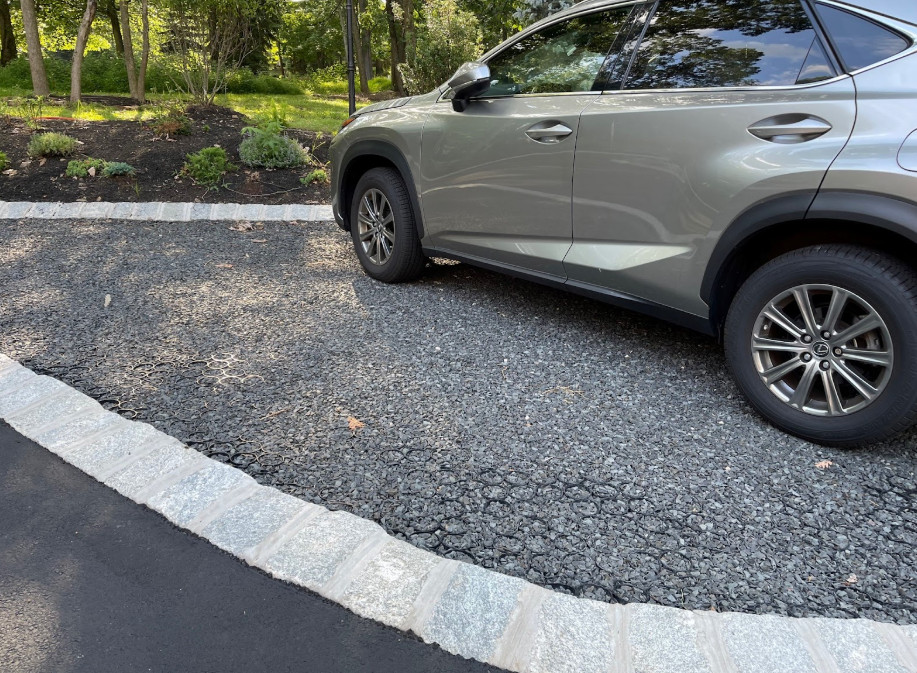
Both residential and commercial applications benefit from the performance advantages of these systems. Homeowners can install gravel-filled grids for driveways, walkways, or patios with minimal maintenance requirements and excellent drainage. Business owners can use them for parking lots, emergency access lanes, or warehouse apron areas that require constant durability under stress.
In both cases, the result is a more resilient site with fewer surface failures and reduced long-term maintenance costs. The benefits of permeable paving also extend into safety, site efficiency, and visual continuity without compromising strength.
Maintenance and Inspection Behavior
Maintaining a permeable grid system is simple. Keeping debris & sediment away from the surface and removal of leaves and other organic material before they decompose, is usually all that is required. Because there are no closed piping systems or subsurface chambers to monitor, inspectors can verify drainage directly at the surface. There’s no need to monitor buried pipes or complicated underground components.
Any isolated damage from vandalism, for example, can typically be corrected by removing and reapplying infill in the affected zone, rather than resurfacing the entire area.
TRUEGRID Performance and Design Integration
TRUEGRID permeable paving systems are engineered to deliver results where conventional surfaces fall short. Made from post-consumer recycled HDPE, they offer an exceptionally durable, modular surface solution for stormwater control and heavy-use applications.
- Options like PRO LITE and PRO PLUS allow teams to match the product to the scale and weight profile of the project.
- These systems are ADA-compliant, rated for heavy vehicles, and easy to install without specialized equipment.
- They also integrate seamlessly into LEED-aligned site plans, providing quantifiable sustainability value.
TRUEGRID systems support the full benefits of permeable paving by eliminating drainage layers, reducing system complexity, and maintaining full infiltration capacity. With installations across residential, commercial, and industrial environments, these pavers hold up under extreme rainfall and consistent use.
Reduce Runoff and Cut Site Costs with TRUEGRID Permeable Pavers
We design our permeable pavers to meet stormwater compliance, reduce infrastructure complexity, and keep maintenance costs down. Every grid system is built to handle heavy use without compromising water infiltration or surface stability. Contact us today for more information.
