
Stunning Front Yard Paver Walkway Ideas for Every Home Style
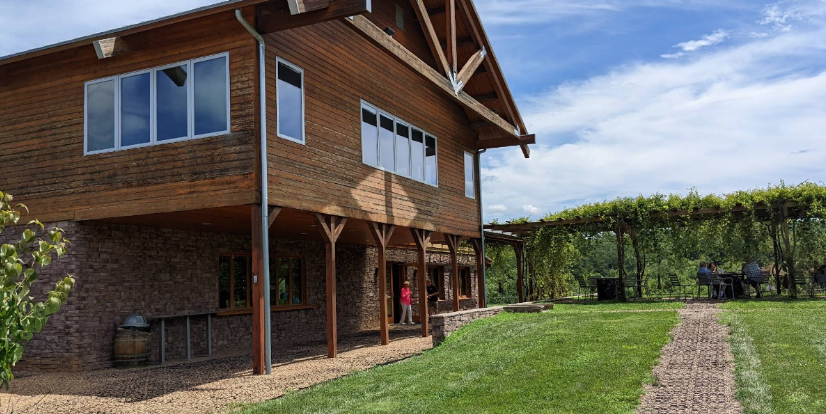
A walkway sets the tone for the entire front yard. It works as both a visual cue and a practical route that carries guests from the street to the door. When people begin searching for front yard paver walkway ideas, the goal is to find designs that look welcoming, hold up through changing weather, and settle naturally into the yard rather than fight it.
How Walkways Shape Curb Appeal and Year-Round Performance
Walkways influence how people experience the front entry and how the landscape feels from season to season.
Design Patterns That Support the Home’s Architecture
A front walkway guides movement and shapes the first impression of a home, tying landscaping and architecture together in a way that feels intentional. Many homeowners start by thinking about materials and patterns, but reliable performance matters just as much as visual style. A walkway should stay level through rain, irrigation cycles, and seasonal soil movement, keeping its transitions and edges clean as the yard changes through the year.
Paver Layouts Create Visual Rhythm and Direction
Walkways built with pavers or gravel combinations adapt easily to many architectural styles. Large stepping stones frame a direct line toward the entry, while smaller pieces introduce a softer rhythm for plant-heavy yards. Curves soften a straight façade, and geometric layouts reinforce modern architecture. No matter the style, the surface needs a stable base so spacing, alignment, and transitions remain consistent as the seasons shift.
Why Permeability Protects Long-Term Structure and Appearance
Durable front yard paver walkway ideas work when the visual approach and the underlying structure complement one another. Decorative gravel and stone create texture and flow, but the surface must stay anchored so rainfall or irrigation does not undermine the pattern. Permeable support beneath the walkway allows water to filter downward, relieving pressure on the surface and keeping designs from drifting or sagging.
How Material Choices Influence the Entry Experience
Material tone plays an important role in the walkway’s appearance and how it ties into the front yard.
Color and Style That Support the Home
Warm gravel complements brick or natural wood, while cooler grays match clean-lined exteriors. Stone surrounded by gravel creates a subtle frame that guides the eye toward the door. Tight joint spacing produces an architectural feel, while looser spacing suits garden-style entries.
Soil and Grade Conditions That Shape Durability
The soil beneath a walkway influences longevity just as strongly as the material above it. Softer soils can create low spots beneath heavy stones, and sloped yards can shift loose material downward without a stabilizing base. Designs that account for these conditions maintain defined edges and an even surface through wet seasons and frequent use. With so many front yard paver walkway ideas available, dependable options address these stability factors early.
Why Permeable Walkway Systems Maintain Shape and Drainage
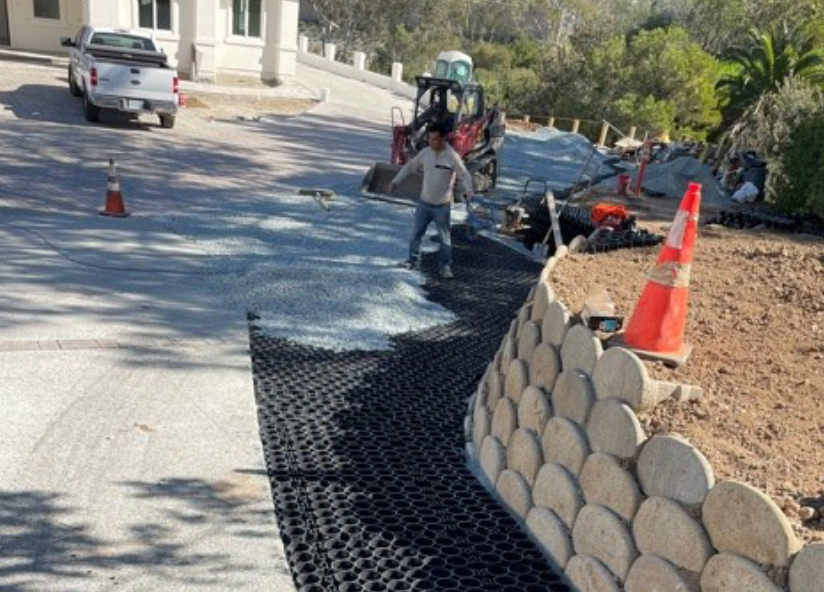
Permeable systems strengthen walkway performance by letting water move through the surface.
Drainage That Protects Long-Term Stability
When moisture drains into the soil rather than running across the walkway, the surface stays intact. This prevents rocking, low spots, and erosion common to non-permeable surfaces. A permeable system avoids the subtle ridges, cracks, and dips that form after heavy rainfall or freeze–thaw cycles.
Stabilized Gravel Surfaces That Hold Their Shape
Stabilized gravel remains locked in place on both flat and gently sloped yards. It prevents gravel from creeping into turf or beds and keeps decorative insets, stone pads, lighting markers, and planted borders aligned. A stable base simplifies upkeep by preventing material loss and keeping high-use areas firm as the yard evolves.
Maintenance Appearance and Owner Expectations
Darker gravel can look clean and modern, while lighter blends brighten shaded entries. Stabilized foundations reduce ongoing upkeep by preventing wash-outs and keeping the surface consistent through weather changes.
TRUEGRID Adds Stability to Creative Walkway Designs
TRUEGRID systems lock gravel into a permeable grid that keeps the surface level and prevents wash-outs in storms.
Supporting Stepping Stones and Grass-Filled Walkways
The grid structure supports wide gaps around large stepping stones and tighter layouts for traditional settings. Designers exploring front yard paver walkway ideas often use these wider gaps to establish bold lines visible from the street. Grass-filled versions offer a greener look and remain firm because roots grow through supported cells rather than compacted soil.
Keeping Transitions Clean and Intentional
Walkways often shift from stone near the entry to gravel closer to planting beds. Unsupported transitions can create slight ledges where materials meet, but a stabilized grid keeps the edges tight so the change reads as a deliberate design choice instead of a maintenance issue.
Maintaining Curves and Lighting Alignment
Curved walkways hold their shape because TRUEGRID distributes weight evenly along the arc, preventing the inside edge from softening. Lighting also stays aligned since the surface resists movement, keeping solar markers and low-voltage fixtures evenly spaced.
Walkways That Adapt as the Front Yard Changes
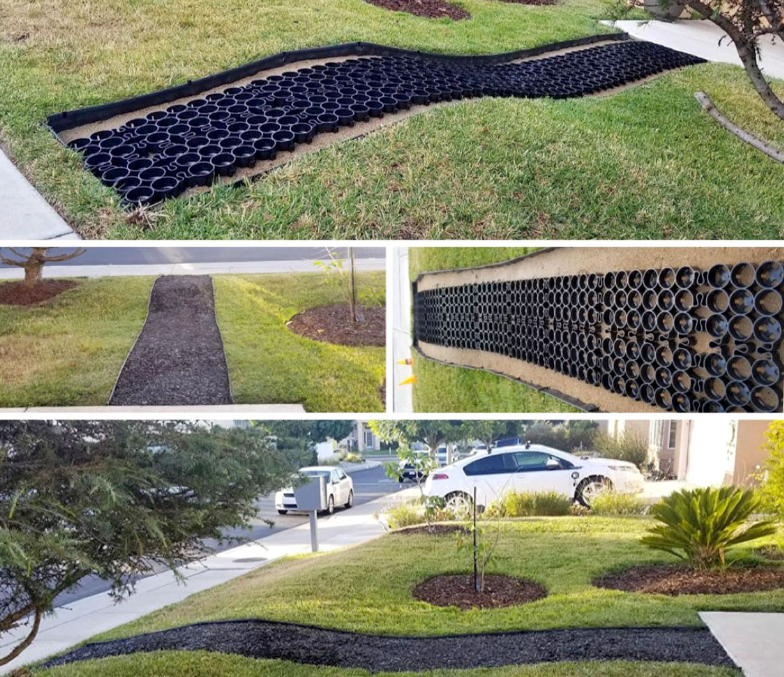
Front yards evolve as trees mature, plantings shift, and lighting updates occur.
A Foundation That Supports Future Layout Changes
A permeable grid adapts to these updates without reconstructing the entire walkway. Homeowners can change gravel colors, reposition stepping stones, widen planting beds, or update lighting while the underlying support stays steady.
Performance That Holds Through Every Season
A dependable walkway organizes the landscape, handles water responsibly, and directs movement toward the home with a stable feel underfoot. When the structure beneath stays secure, the walkway can evolve visually without losing function. This flexibility is what many homeowners appreciate when exploring front yard paver walkway ideas.
Enhance Your Walkway Design With TRUEGRID Permeable Pavers
TRUEGRID pavers create stable, permeable walkways that blend naturally with lawns, planting beds, and ornamental stone. The grid design keeps gravel locked in place so patterns stay clean and edges remain defined through seasonal weather. Our pavers also support grass-filled surfaces for projects that need a greener appearance. Contact us today for more information.
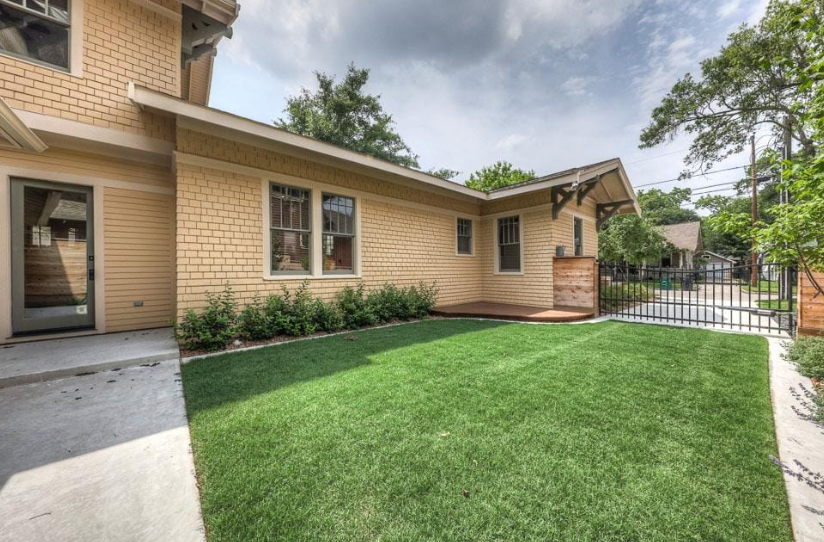
A gravel driveway seems affordable until shifting rocks, muddy patches, and constant regrading turn into yearly chores. Many homeowners eventually start looking for a less expensive alternative to gravel driveway surfaces because they want something that stays put and drains well without raising project costs. With several economical materials available, it’s possible to eliminate gravel problems without moving into expensive paving.
Why Gravel Driveways Create Long-Term Maintenance Problems
Gravel behaves differently depending on soil and weather.
- Loose stone spreads under tire pressure, and running water displaces material downhill or exposes soft spots after storms.
- Clay-rich soils drain slowly, weakening the base and making gravel easier to move.
- Freeze-thaw cycles widen gaps in cold climates, and even mild regions see uneven surfaces form over time.
Gravel is inexpensive upfront, but the extra loads, grading, and labor add up over time. Many homeowners eventually want something that drains better, stays in place, and does not require yearly repairs or replacement.
Less Expensive Alternatives To Gravel Driveway Surfaces
Several materials offer stability and better drainage while keeping overall project costs manageable. Each option fits different site conditions, and all help homeowners compare common driveway alternatives while avoiding most of the issues that push people to search for a cheap alternative to gravel driveway installations.
Permeable Grid Systems
A permeable grid system creates a gravel surface that stays in place. The grid’s cells lock rock where it belongs so it doesn’t push outward or wash away in storms. Weight spreads across the base, helping the driveway hold its shape even with daily traffic.
Open cells drain water quickly into the ground and help prevent clay-heavy or wet soils from softening. This improves long-term stability and minimizes edge loss. Because the system is installed over a compacted base with panels and fill gravel, it performs consistently across seasons with only occasional top-offs. For many homeowners comparing driveway alternatives to gravel, stabilized gravel delivers reliable performance without increasing upfront cost.
These systems often become a preferred, less-costly alternative to gravel driveway option for people who want a familiar look without the maintenance burden.
Recycled Concrete Aggregate (RCA)
Recycled concrete aggregate offers a sturdier feel than loose gravel while remaining inexpensive. The angular pieces interlock well, forming a surface that resists shifting under normal traffic. RCA is widely available and commonly cheaper than standard gravel, making it a strong option for long or wide driveways.
It drains reasonably well when placed over a sloped or well-prepared base. Minor depressions may form over time, but topping them is easy and inexpensive. For homeowners wanting an alternative to gravel driveway installations without jumping into costly paving, RCA provides solid value.
Compacted Crushed Stone Blends
Crushed stone blends include a mix of fines and larger pieces that bind together when compacted. Once installed over a stable base, the surface becomes semi-rigid and stays smoother than traditional gravel. This material performs well in most regions and requires no specialty tools to install.
Homeowners who want a firmer surface that still fits a tight budget often choose this option because it performs like a cheap alternative to gravel driveway material while reducing rutting and yearly regrading.
Asphalt Millings
Asphalt millings come from reclaimed pavement and offer one of the lowest-cost driveway materials available. The residual bitumen helps the surface knit together under compaction, providing a firmer feel than loose gravel. Millings generally resist washouts on gentle slopes and settle into a stable surface once traffic compacts them.
Heat softens the material slightly in warm climates, improving bonding but potentially causing tracking during sharp turns. Drainage relies on proper slope because millings are not permeable. The surface darkens over time, and occasional smoothing keeps it level at key entry points. For tight budgets, millings work well as a cheap alternative to gravel driveway material where appearance is less of a priority.
Basic Concrete Or Brick Pavers For Small Areas
Pavers deliver durability and strong curb appeal, but full-driveway installations are expensive. Many homeowners use pavers only in high-wear areas, such as the apron near the garage or the entry at the street, while keeping the rest of the driveway gravel or another low-cost surface. This hybrid approach adds reinforcement where vehicles turn or slow while keeping overall costs down.
Pavers distribute load well and handle freeze-thaw cycles better than poured concrete. Although not the cheapest option, targeted use makes them a practical and clean-looking alternative when used selectively.
How To Choose The Right Budget-Friendly Driveway Alternative
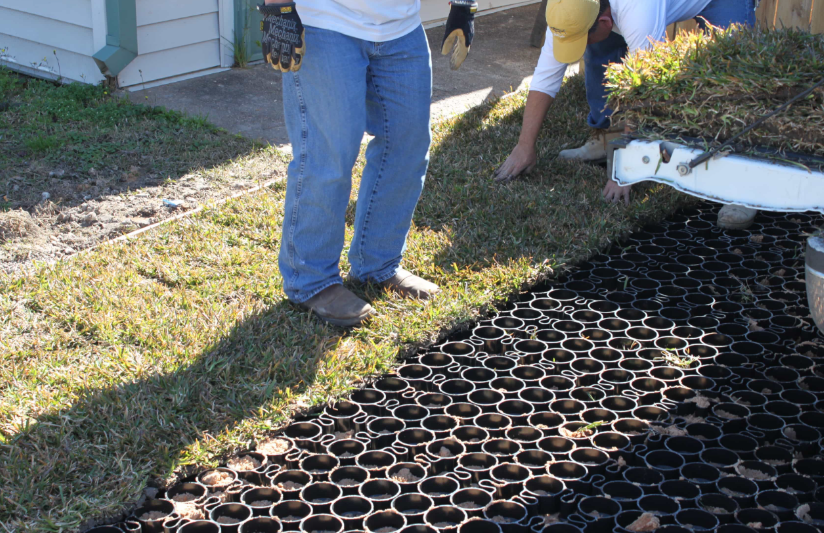
Selecting the right material starts with how your site behaves through the seasons.
Soil And Drainage
Permeable grid pavers can be used over all soil types, with little adjustment, as they are simply speeding up the draining process. Well draining soils tend to pair best with permeable grids that relieve pressure by directing water downward. Sandy or loamy soils drain naturally, so they can support a wider range of aggregates without softening as quickly. Grid pavers are flexible and can adjust to underlying clay soil expansion and contraction.
Rainfall And Erosion
In areas with frequent storms or washouts, stabilized gravel, crushed stone blends, and RCA hold their shape better than loose gravel when they’re installed over a firm base. Moving away from untreated gravel in these conditions cuts down on cleanup and keeps driveway edges defined.
Traffic And Upkeep
Driveways that see pickups, trailers, or multiple daily trips benefit from grids or well-compacted stone blends that distribute weight evenly. Millings work for the lowest budgets but may need occasional smoothing, and pavers deliver the longest service life when used strategically in high-wear zones.
Balancing Budget And Performance
Budget still sets the boundaries, but matching material to soil, weather, and traffic gives you a driveway that feels like a deliberate choice instead of a compromise.
When A Grid-Stabilized Driveway Becomes The Best Value Choice
Grid-stabilized driveways, like those using TRUEGRID permeable pavers, often deliver the strongest long-term return for homeowners seeking low costs and dependable performance.
- The grid helps maintain the driveway’s shape under continuous traffic and prevents gravel from drifting outward.
- Edges stay defined, reducing the spreading that typically develops on untreated gravel surfaces.
- Yearly upkeep drops since the surface holds its structure through seasonal weather.
- Homeowners who want stability without frequent repairs appreciate how the grid keeps gravel contained and helps manage water by allowing it to drain into the soil.
- When installed with clean, angular gravel, the finished driveway looks intentional and orderly.
- Grid pavers can outlast asphalt and have lifespans equal or greater than concrete and brick pavers.
By combining drainage, stability, and project affordability, a grid-stabilized surface becomes a practical choice for anyone searching for a cheap alternative to gravel driveway materials that perform well year after year.
Get A Clean, Stable, Affordable Driveway With TRUEGRID Pavers
TRUEGRID systems stabilize gravel, improve drainage, and keep driveways looking finished without constant regrading. Our recycled-plastic grids are engineered to handle everyday vehicle loads while helping manage stormwater on your property. Contact us today for more information.
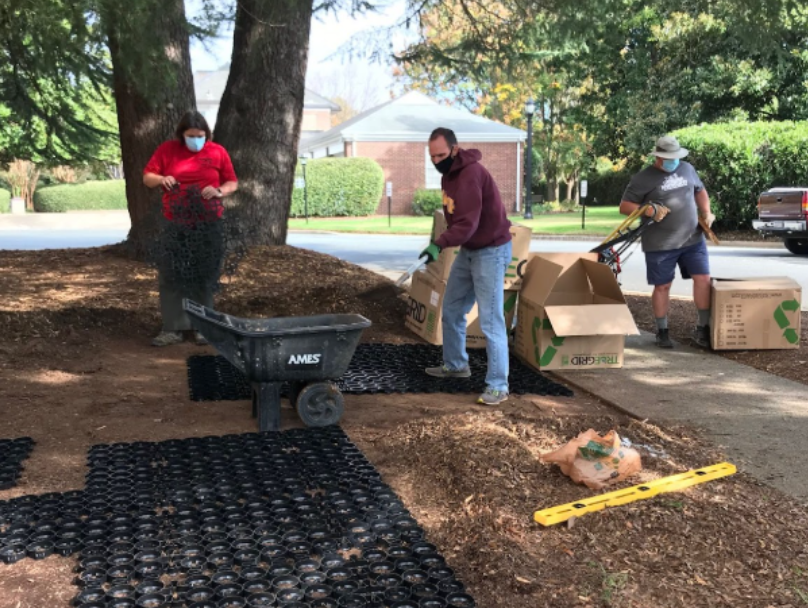
A walkway does more than move people through a yard. It sets the rhythm of the landscape and connects the garden beds, structures, and views into a single path people actually want to follow. A well-planned permeable garden walkway handles rainfall in a way the yard can absorb and still adds the structure and character the garden needs.
How Permeable Walkways Support Drainage and Garden Style
When a garden path drains predictably and stays comfortable under foot traffic without fighting the yard’s natural slope, it becomes a reliable foundation for planting design, lighting, and long-term stability.
The surface should let rainfall settle into the base or move across a gentle cross-slope rather than forming puddles at edges or low points. When that drainage behavior aligns with curves, planting offsets, and lighting, the walkway reads as an intentional part of the garden’s layout instead of an add-on.
Plan the Route, Shape the Grade, and Match It to Drainage
A good garden walkway starts on paper by matching where people need to walk with the path rainwater already wants to take through the yard.
Choose a Walkable Alignment
Paths feel natural when people move without adjusting stride or posture. Set widths based on how the route will be used: wider where two people walk together, narrower through planting beds or side-yard connectors. Curves settle into the landscape more naturally when they follow a broad radius, which also keeps gravel, stone, or pavers from shifting under turning steps or wheelbarrow tires.
Set Slopes That Support Permeability
A functional layout works with water’s natural pathway rather than against it. Keeping the path between about one and five percent in the walking direction, with a gentle one to two percent cross-slope, lets rain find natural exit points without making the walkway feel like a ramp. These subtle grade changes help the permeable garden walkway absorb rain where possible and shed only what the base cannot hold.
Prepare Subgrade Conditions Early
Grade the subgrade to a consistent fall and remove organic pockets that hold moisture. Soil should feel firm under a boot heel without pumping water to the surface. Once the ground is shaped, the permeable garden walkway works with it, letting water move through the surface and settle into the base before it feeds the surrounding ground.
Select Materials That Stabilize Footing and Support Natural Drainage
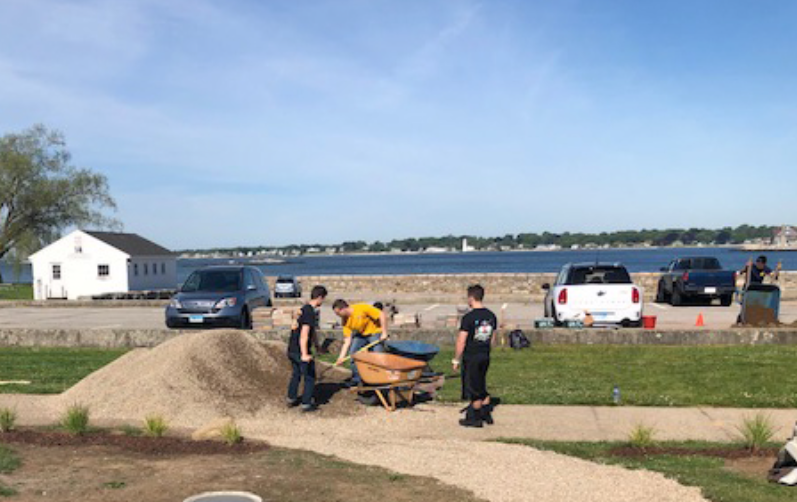
The right base and surface combination keeps the walkway stable through seasonal wetting and drying.
Gravel and Decomposed Granite for Flexible, Permeable Surfaces
Angular stone measuring between one-half and five-eighths inch stays in place, provides traction, and drains readily. A compacted base helps gravel or decomposed granite stay in place underfoot as the seasons change. Decomposed granite binds more tightly and works well where a smoother finish is preferred, especially when combined with edging that stops migration.
TRUEGRID for High-Stability Permeable Walkways
TRUEGRID’s paver design locks gravel in place so the surface stays steady and predictable under everyday use. Built from durable recycled polymer, the system forms a synthetic permeable garden walkway that manages rainwater well and stays in shape even when weather shifts. This creates a consistent walking surface that behaves predictably in every season.
Natural Stone and Pavers for Structure and Clean Edges
Stone or concrete pavers give clear geometry and firm footing. Large stone pieces need full support from a level bedding layer so corners do not rock, while permeable paver assemblies rely on clean aggregate in place of dense bedding sand. Joint width and edge restraint matter: consistent joints keep lines clean, and strong edging prevents slow drift into planting.
Prepare the Ground and Manage Water Before It Reaches the Walkway
A walkway lasts longer when rain is directed away from its edges and base instead of pooling on or under the path.
Subgrade Shaping That Protects the Base
Drainage begins with the soil beneath the walkway. Shape the subgrade so soft pockets are cut out, the ground falls toward a natural outlet, and there are no flat runs where rain can sit after a storm. Finer soils perform better when separated from the base with a non-woven geotextile that stops fines from migrating upward.
Install the Walkway in a Simple, Predictable Sequence
The installation of a permeable walkway comes together in a straightforward order. Lay out the route, excavate to a uniform depth, and shape the subgrade so water naturally falls toward a safe outlet. Add a non-woven geotextile if the soil is soft, place base stone in compacted lifts, and screed the bedding layer so the surface material sits evenly. Once the edges are restrained and the surface is set, the walkway drains cleanly and holds its shape through changing weather.
Control Runoff at the Source
Redirect downspouts away from the path, trim high points that push water across the route, and correct depressions that trap runoff after storms. Interceptor swales above the path catch sheet flow on sloped yards. These small adjustments reduce the load on the walkway and prevent erosion at the edges.
Choose How Your Walkway Handles Rain
Some walkways let rain soak through into the ground, and others shed water off the surface. Where the path runs next to beds and trees that like steady moisture, a permeable garden walkway over open-graded stone lets rainfall filter into the soil instead of running away. In spots that collect heavy leaf drop or need fast cleanup, a tighter path that drains to one edge is often the easier choice. Match the design to foot traffic, nearby planting, and the way water already moves through the yard.
Integrate Edging, Planting, and Lighting for a Cohesive Garden Walkway

A walkway feels like part of the garden when edging, plants, and lighting help people move easily and give rain a clear path away from the surface.
Set Edges That Hold Shape
Edge restraint keeps material where it belongs and frames the route from eye level. Steel or aluminum strips work well with gravel or decomposed granite, while stone or paver borders suit more formal areas. Path edges should sit flush with the finished grade so brooms, wheels, and trimmers glide cleanly.
Place Plants to Maintain Width and Drainage
Keep plants six to twelve inches off the hard edge so foliage does not snag clothing or push gravel into beds. Use taller shrubs and small trees to frame the outside of curves or sit behind seating areas, and keep lower, finer growth closer to the path so people can still read the edge clearly. With the borders set and plants pulled back from the line, the route reads as a clean, durable permeable garden walkway that handles movement and drainage without fuss.
Use Lighting That Guides Without Glare
Low, shielded fixtures spaced several feet apart illuminate texture and help walkers read slopes and curves. Warm color temperatures blend naturally with planting and reduce nighttime glare. That steady lighting rhythm helps the walkway read as part of the larger garden, not a separate feature.
Design Choices That Prevent Common Walkway Failures
Small decisions determine whether the path holds its shape over time.
Avoid Flat or Negative Grades
Flat spots slow drainage and encourage slick, shaded patches that raise maintenance demands. Keep the ground sloping gently away from structures, and set transitions at doors, patios, and drives just high enough that water clears the threshold instead of pooling at it.
Build an Adequate Base
A walkway settles when the base is too thin or uneven. Proof-roll the subgrade, add a geotextile where needed, and compact base stone in controlled lifts so the surface stays level through wet and dry seasons.
Protect Curves and Narrow Points
Tight bends rut quickly, especially in gravel builds. Broader radii and slight flares at entrances or gates improve comfort and reduce maintenance.
Design a Walkway That Looks Good and Handles Rain Naturally
A well-designed permeable garden walkway blends the visual rhythm of curves, borders, and planting with the practical demands of drainage and traffic. When alignment, base depth, material choice, and finishing details work together, the walkway becomes a long-lasting structure that holds its form from season to season.
Build With TRUEGRID for Durable, Permeable Walkways That Stand Up to the Elements
TRUEGRID pavers stabilize gravel, support foot traffic, and drain naturally through open-graded aggregate. Each interlocking panel provides long-term surface stability without the shifting or rutting common in loose-laid materials. Contact us today for more information.

The paving material you choose affects cost, drainage, upkeep, and how long any driveway, walkway, or patio surface stays smooth. Homeowners and small commercial owners comparing affordable paving options want something that fits their budget and still performs through years of weather and daily use.
How Budget-Friendly Paving Performs Over Time
Every paved area is shaped by load, drainage, and how well materials resist movement. Upfront cost is only part of the calculation. Pavement that does not manage water well often settles or cracks as seasons shift. When water moves across the surface without draining into the ground, weak areas appear beneath tire paths or along walkway edges.
Basic gravel and budget concrete options appeal to people seeking affordable paving because the installation feels straightforward, but these surfaces often wear or drift faster than expected. What looked inexpensive at first can become a recurring seasonal expense.
Where Low-Cost Materials Typically Fail
Traditional gravel, especially when spread over a thin or uneven base, tends to migrate under traffic.
- Wheel paths form quickly, and shallow depressions gather water.
- Homeowners rake displaced gravel back into position or add more material after heavy rain.
- When the underlying soil becomes saturated, low areas collapse into ruts that call for full regrading.
- On walkways or patios, gravel push-out becomes a regular chore.
These realities shape how affordable residential paving should be evaluated: a surface that needs repeated correction rarely stays low-cost over time.
Concrete and Asphalt Limitations
Concrete and asphalt are often viewed as the next tier above gravel in conversations about affordable paving, but both depend heavily on how well the base handles moisture.
- Concrete provides a rigid, even surface but can crack when soil shifts beneath it, leaving patch seams.
- Asphalt may be less costly upfront but requires sealing and can break apart when water infiltrates its base layer.
For homeowners comparing affordable driveway paving options, these rigid systems feel economical until early cracking or settlement appears. Once failures begin, patching, sealing, or replacement often exceeds what owners planned for at installation.
How Outdoor Living Surfaces Behave Under Real Conditions
Walkways and patios carry lighter loads, but they still rely on drainage and soil stability. Minor soil dips, edge movement, and surface pooling often affect traditional gravel and thin-base materials. Basic pavers offer an attractive option but rely on solid bedding and edge restraint to stay level and resist movement over time.
If installed over inadequate base or disturbed subgrade, pavers tilt or separate, requiring releveling. These issues influence how affordable paving should be considered for outdoor living areas because the real value comes from surfaces that stay even and predictable through seasonal shifts.
Why Permeable Grid Systems Lower Lifetime Costs
Permeable grid systems stabilize gravel and reduce water-related failures.
- The interlocking framework forms a structural grid that holds gravel in place so it does not shift under load.
- Water drains directly into the ground, reducing puddles, washouts, and pressure points that weaken conventional materials.
- This system supports cars, small trucks, and daily foot traffic while keeping the surface intact.
People comparing affordable driveway paving often weigh gravel against grid pavement, but a stabilized permeable grid delivers the durability of engineered pavement with the natural look and competitive pricing.
Performance Advantages for Walkways and Patios
The hidden grid framework supports the filled gravel surface, preserving clean lines even after heavy rain.
- Walkways stay smooth because gravel remains contained instead of drifting into adjacent landscaping.
- In areas with seasonal temperature swings, the grid spreads minor subgrade movement across the surface so no single area shows distortion.
This blend of durability, appearance, and predictable performance makes permeable grids a strong fit for homeowners seeking dependable value at a manageable price.
Commercial Applications for Budget-Conscious Projects
Commercial properties evaluating budget-conscious paving options face similar challenges. Parking pads, overflow parking, equipment lanes, and maintenance paths all deteriorate when surfaces lack stability. Traditional gravel requires routine regrading, while asphalt introduces sealing and crack-repair cycles.
Permeable grid systems reduce these cycles by anchoring the surface and directing water into the sub-soils, mimicking mother nature. Because they drain rather than shed water, edges stay intact and the base remains protected from erosion. This consistency lowers long-term costs and keeps high-use areas functional without constant attention.
Installation and Maintenance Factors That Influence Cost
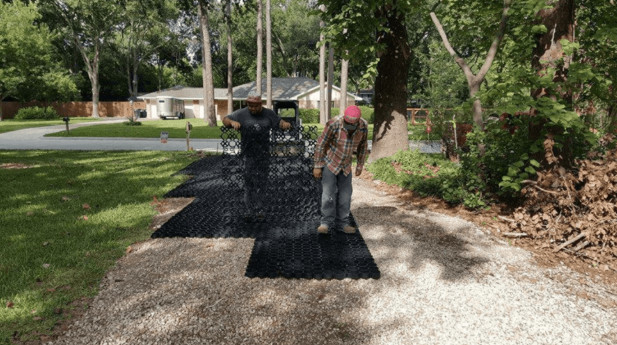
A surface that requires less maintenance remains more affordable over the long term. For many homeowners comparing affordable paving choices, the appeal lies in installing a surface once and maintaining it lightly over the years.
Grid-supported gravel achieves this by keeping the material locked in place and resisting rutting. Gravel stays in the cells under turning tires or concentrated foot traffic, and water flows directly through the open structure. These characteristics eliminate many of the forces that typically cause surface degradation.
Labor and Time Savings During Installation
Permeable grids rarely require heavy machinery in residential settings, and panels are lightweight enough to move and position by hand.
- After preparing the sub-base, installers connect the grids quickly and cover large areas much faster than traditional pavers or poured concrete.
- Gravel infill completes the surface without complicated placing or finishing steps.
- This streamlined sequence reduces labor time and can lower installation costs relative to rigid alternatives.
For homeowners balancing cost, durability, and appearance, this grid system delivers long-term performance without adding maintenance demands.
Design Flexibility and Environmental Performance
Design and environmental performance often determine whether a paving system fits both the site and the owner’s goals.
Layout and Aesthetic Options With Gravel-Filled Grids
Aesthetic preferences influence material choices for patios, walkways, and small gathering areas. Gravel infill offers a range of color tones that coordinate with landscaping, siding, or edging. Because the grid sits beneath the filled surface, the finished look appears natural while performing like a stable pavement.
Designers appreciate the ability to form curves, borders, and patterns using different gravel blends. These features support affordable residential paving that delivers functional performance alongside the visual style homeowners want.
How Permeable Grids Handle Rain and Runoff
Permeable grids contribute to environmental performance by reducing runoff and promoting infiltration. When stormwater drains into the ground, homeowners help limit localized flooding and reduce strain on municipal systems.
In areas where permeable surfaces are encouraged or incentivized, choosing a grid-supported system can support compliance while still providing a reliable, attractive surface. These environmental factors help shape how owners assess long-term paving value across different material types.
Long-Term Behavior and What It Means for Real Costs
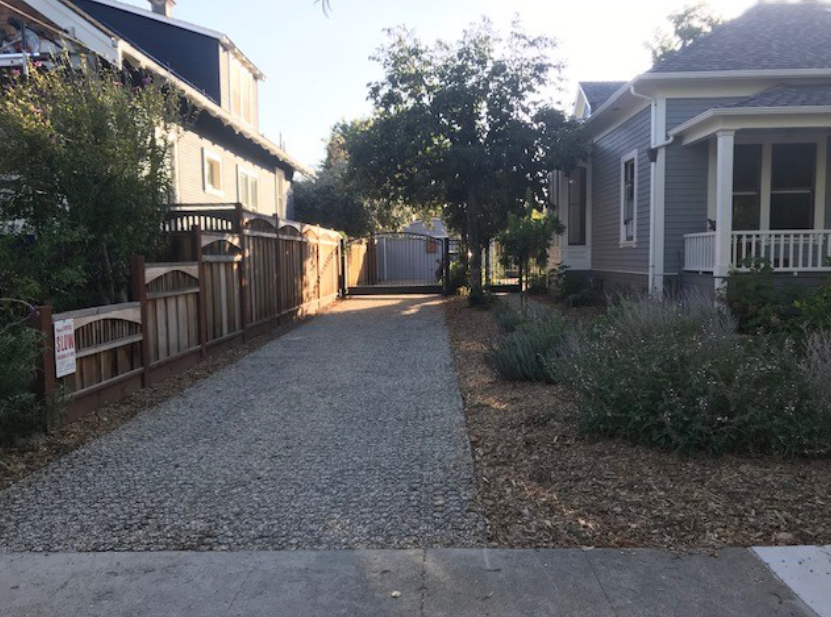
How a paving system behaves year after year ultimately determines what it really costs to own.
How Grids Perform Over Time
Grids maintain structure and reduce major repair cycles. Walkways hold their grade, patios avoid low spots, and driveways resist rutting even under seasonal stresses. This consistency reduces material replacement and cuts labor hours because the surface rarely needs regrading or releveling. These outcomes influence how both homeowners and commercial operators define affordable paving as part of long-term planning.
Comparing Surfaces for Long-Term Value
When choosing surface materials, a practical approach is to evaluate the forces each area must handle and how those materials respond to local conditions.
- Driveways must support vehicles without scattering gravel.
- Patios should stay level and visually clean.
- Walkways need to remain stable and comfortable under foot traffic.
Permeable grid systems meet these expectations while keeping long-term costs favorable. For people comparing traditional and modern materials, stabilized gravel offers an attainable path to durable outdoor surfaces.
Choose TRUEGRID for Long-Lasting, Low-Maintenance Pavers
TRUEGRID permeable pavers provide stable, attractive gravel surfaces designed to handle everyday loads while reducing long-term maintenance. Each system drains naturally, resists shifting, and supports clean, consistent performance across driveways, walkways, and patios. Contact us today for more information.
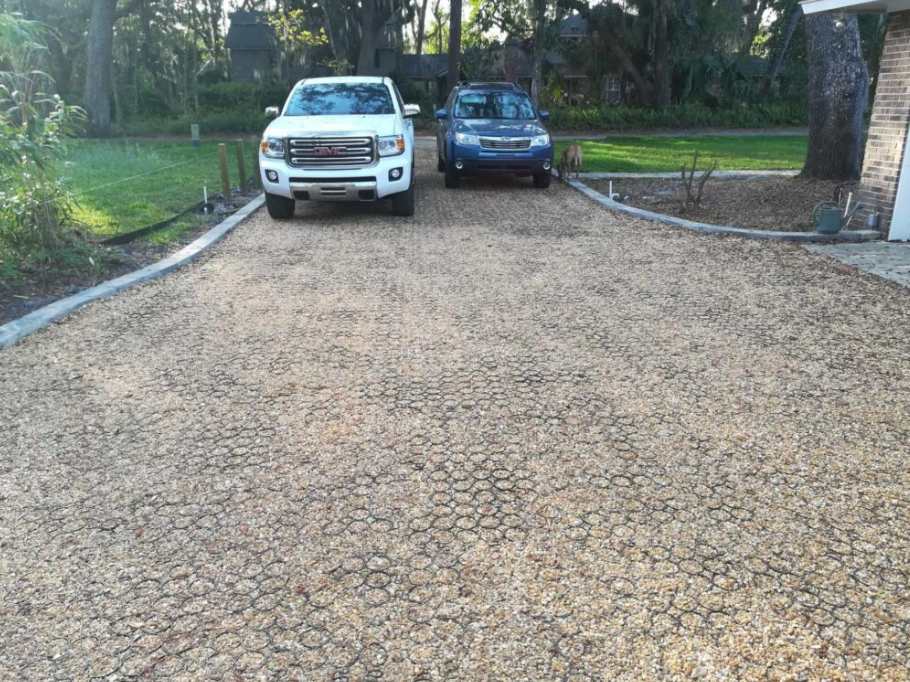
Every driveway has two jobs, carry weight and manage water. When rain can’t drain through the surface, it pools, erodes edges, and pushes runoff toward the foundation. Learning how to install a permeable gravel driveway grid system unites strength and drainage in one design that stays firm through every storm.
Why Choose a Permeable Driveway Grid System
Driveways fail when trapped runoff lingers above the base. Over time, moisture seeps into cracks, softens the subgrade, and breaks apart the surface. A permeable grid reverses that process: rain filters through the surface instead of running off, equalizing pressure and protecting the base from erosion.
The interlocking grid also strengthens the structure by distributing loads through its open-cell matrix, resisting deformation and freeze–thaw damage that weaken traditional materials. Understanding how to install a permeable gravel driveway grid system ensures that drainage and structural capacity perform as designed for decades.
Planning Your Permeable Driveway Installation
Before excavation begins, take time to plan the layout, verify drainage paths, and organize site logistics. A well-defined plan prevents wasted effort later, locking in geometry and staging areas so installation starts clean and stays efficient.
Define the Layout and Drainage Path
Map the driveway’s route, width, and turning points to ensure vehicles move safely and runoff flows correctly. Transitions to sidewalks, garage aprons, or adjoining surfaces should remain level to avoid pooling. Extra care, such as waterproof liners or sprays, can be used when permeable systems are directly adjacent to basement foundations..
Review Regulations and Site Access
Check local codes for setbacks, easements, and impervious coverage limits. Evaluate where equipment and materials will enter the site, and plan staging zones for stone and panels that won’t block driveways or utilities.
Organize Materials and Project Logistics
Once layout and permitting are complete, calculate aggregate volumes, fabric square footage, and grid-panel counts based on total coverage. For residential driveways, specify TRUEGRID PRO LITE for standard loads or PRO PLUS for heavier traffic or where driveways are sloped. Coordinate deliveries and rentals early so work proceeds continuously once excavation starts.
Project Costs and Timeline
Understanding cost and schedule helps set realistic expectations before work begins. Professional permeable driveway installations typically range from $10 to $20 per square foot, depending on excavation depth, soil stability, and site accessibility. The higher end of that range reflects deep bases or limited access.
Cost Drivers by Component
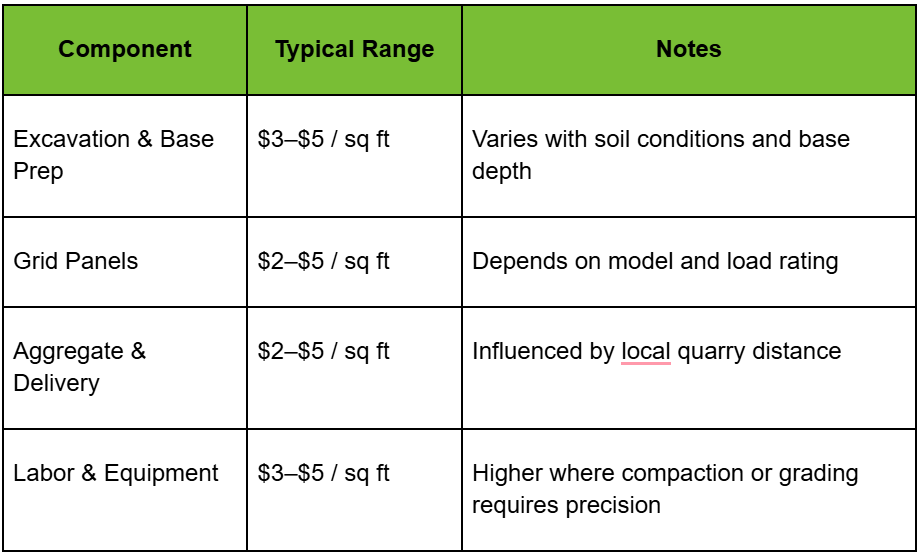
Professional vs. DIY Installation
Professional crews handle excavation, grading, compaction, and grid placement. Their pricing includes labor, materials, and mobilization, with soils and permits affecting cost. DIY builds are lower but depend on aggregate volume, delivery distance, and rental equipment. A careful homeowner can save by sourcing stone locally, though poor compaction or drainage errors can offset those savings later.
Typical Project Duration
Once materials are staged, most single-drive projects finish in two days for professional contractors and three to four days for a DIY project. Before the first cut of excavation, review how to install a permeable gravel driveway grid system step by step so every layer, subgrade, base, grid, and fill material works together as a unified structure.
Tools and Materials Checklist
A successful installation depends on having the right equipment and clean, properly graded materials before work begins.
- Excavator or skid steer
- Plate compactor, rolling compactor, or jumping jack/tamping rammer compactor
- String line and stakes; level or laser for grade
- Geotextile fabric (separation/filter)
- Angular base rock (¾ in to 1 in clean, washed, for PRO LITE and 1 in to 1.5 in clean, washed for PRO PLUS) for gravel surfaces or densely-graded base / sandy-gravely road base (for grass).
- TRUEGRID PRO LITE or PRO PLUS panels
- Infill stone for gravel surfaces (½ in or ⅝ in clean, washed stone for PRO LITE and ½ in, ⅝ in, or ¾” washed, clean stone for PRO PLUS)
- Sod and topsoil or hydroseed and topsoil for grass infill applications
- Edge restraints (steel, concrete, or lumber)
- PPE (eye/ear protection, gloves)
Safety note: Call 811 to locate underground utilities before excavation.
Assessing Soil and Site Infiltration
Before breaking ground, test how quickly soil absorbs water. Dig a small pit, fill it, and time how long it drains. Sandy or loamy soils clear in minutes; clay may hold water for an hour. If infiltration is slow (< 0.5 in/hr), deepen the base or add an under-drain to move water laterally. Document percolation rates to meet stormwater rules and determine proper sub-base depth.
Step 1: Excavate and Prepare the Subgrade
Every durable driveway starts with a stable foundation. The excavation phase establishes base depth, removes weak material, and compacts soil to support the open-graded layers that follow.
Determine Base Depth: Excavate roughly 6 in for standard car use. Increase for heavier loads, weak soils, or extra stormwater storage. Remove all vegetation, roots, and topsoil until reaching firm soil.
Compact and Stabilize: Compact the excavated area floor. Lay geotextile fabric to prevent fines from migrating upward. A well-separated subgrade supports both structure and drainage.
Optional Edging: Place desired edging.
Step 2: Add and Compact the Base Layer
Spread clean angular stone (¾–1½ in.) or densely-graded base (for grass) to the design depth. Compact each lift (maximum 4-in lifts) until solid underfoot, no bounce, no give. Base depths can range from 4 in to 8 in or more and will depend on the existing soil compositions, the loading needed, and the frequency of traffic. Please consult with an engineer if you are unsure of the depths. General and typical recommended depths are still subject to site specific and project needs.
The voids between stones act as a subsurface reservoir, letting rainfall collect and gradually infiltrate the soil instead of running off the surface.
Step 3: Level the Base
Level the base with lasers or string levels for a smooth surface. Make sure the base has no visible changes over short lengths. Gentle undulation can follow the natural changes in the area as long there is adequate sub-base preperateion and base layer depths.
Step 4: Lay the TRUEGRID Panels
Lay panels by aligning the tab and lock connectors. It’s recommended to fan out from one corner to keep the pavers aligned in one direction on site. Step on or tap each grid until interlocks snap tight. On slopes, anchor the pavers with stakes to the base (please see additional advice for slope installations from TRUEGRID). Trim or cut grid as needed around curbing, obstacles, or curves with a circular saw or chop saw.
Step 5: Fill the Grid with Gravel or Grass
Infill forms the finished surface texture while maintaining permeability. At this stage, understanding how to install a permeable gravel driveway grid system helps balance compaction pressure and drainage flow.
Gravel Infill: Pour washed gravel into cells and use a broom or rake the stone level to the top of the grid. Gravel should self-align. Overfilling in not needed and compaction is optional.
Grass Infill: Fill cells with sandy-loam topsoil and seed with drought-tolerant species. Water gently until established so rainfall passes freely through the open cells. 1-inch sod can also be used in PRO LITE by wetting the sod and compressing it into the grid with a compactor. PRO PLUS should be filled half-way with topsoil and the remaining top half filled with the sod – wet and compacted into the top half of the grid.
Step 6: Inspection and Quality Check
A well-built permeable driveway feels firm underfoot. Check to see if all paver connections remain intact and that all fill is level to the top of the grid. Keep traffic off of grass infill surface for 3 mowing cycles. Gravel infill systems can be used immediately.
Maintenance for Long-Term Performance
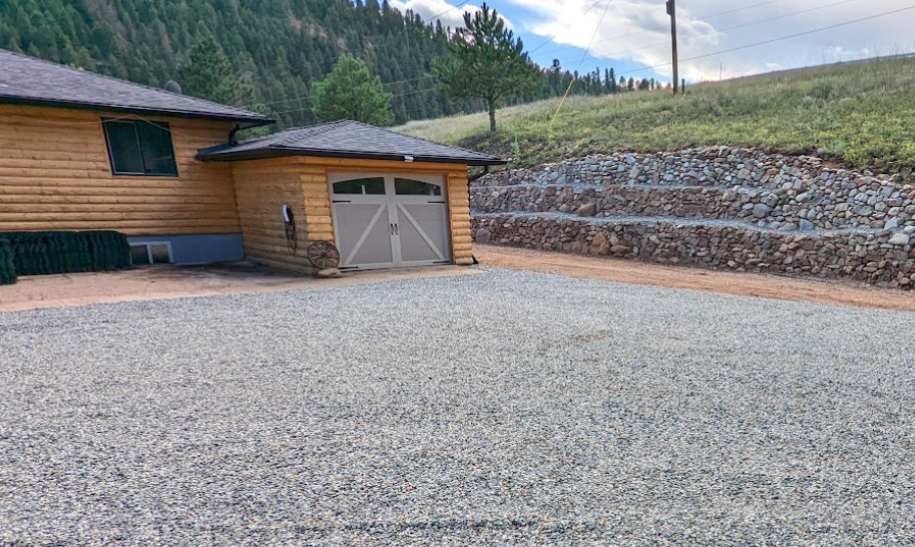
Regular inspection and light cleaning preserve infiltration and surface strength.
- Remove organic debris such as leaves to prevent degrading and breaking down on the surface. Keep any other sediment sources off of the surface.
- Use plastic-blade shovels in winter; keep snow plow blades or snow blower hoppers raised slightly when removing snow; and standard de-icers are safe because meltwater drains into the base (do not use this with grass surfaces)
- Mow, water, and fertilized grass surfaces as needed. Do not aerate.
Long-term results depend on following how to install a permeable gravel driveway grid system correctly from the start, proper compaction and drainage minimize future maintenance.
Environmental and Structural Advantages
Permeable grid systems improve soil recharge, reduce heat, and extend pavement life. TRUEGRID panels are molded from 100% post-consumer recycled HDPE, spreading loads through the cell matrix to prevent rutting and fatigue. Surfaces stay 10–15 °F cooler than asphalt, and some municipalities offer stormwater-fee credits for permeable installations.
DIY or Hire a Professional?
A permeable gravel driveway grid system can be installed by skilled homeowners, but complex sites often justify professional oversight.
DIY: Small areas, firm soils, clear access, no under-drain tie-ins.
Hire a Pro: Steep grades, clay soils, or engineered drainage. Contractors experienced in permeable paver installation ensure accurate compaction and long-term infiltration.
Build a Driveway That Drains, and Lasts, with TRUEGRID Pavers
TRUEGRID permeable pavers combine strength and stormwater control in one system. Each grid supports traffic loads while eliminating surface runoff. Contact us today for more information.
