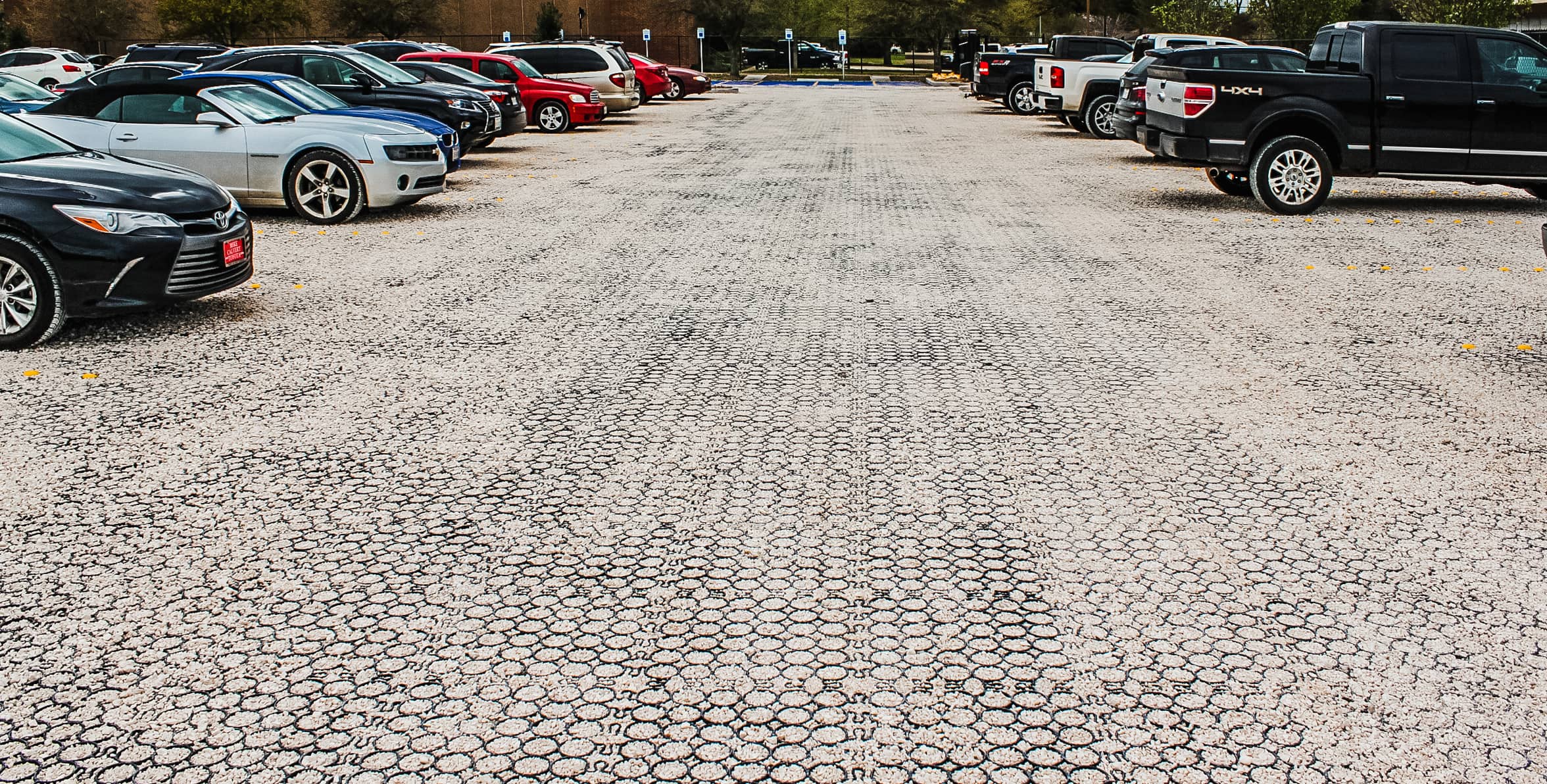
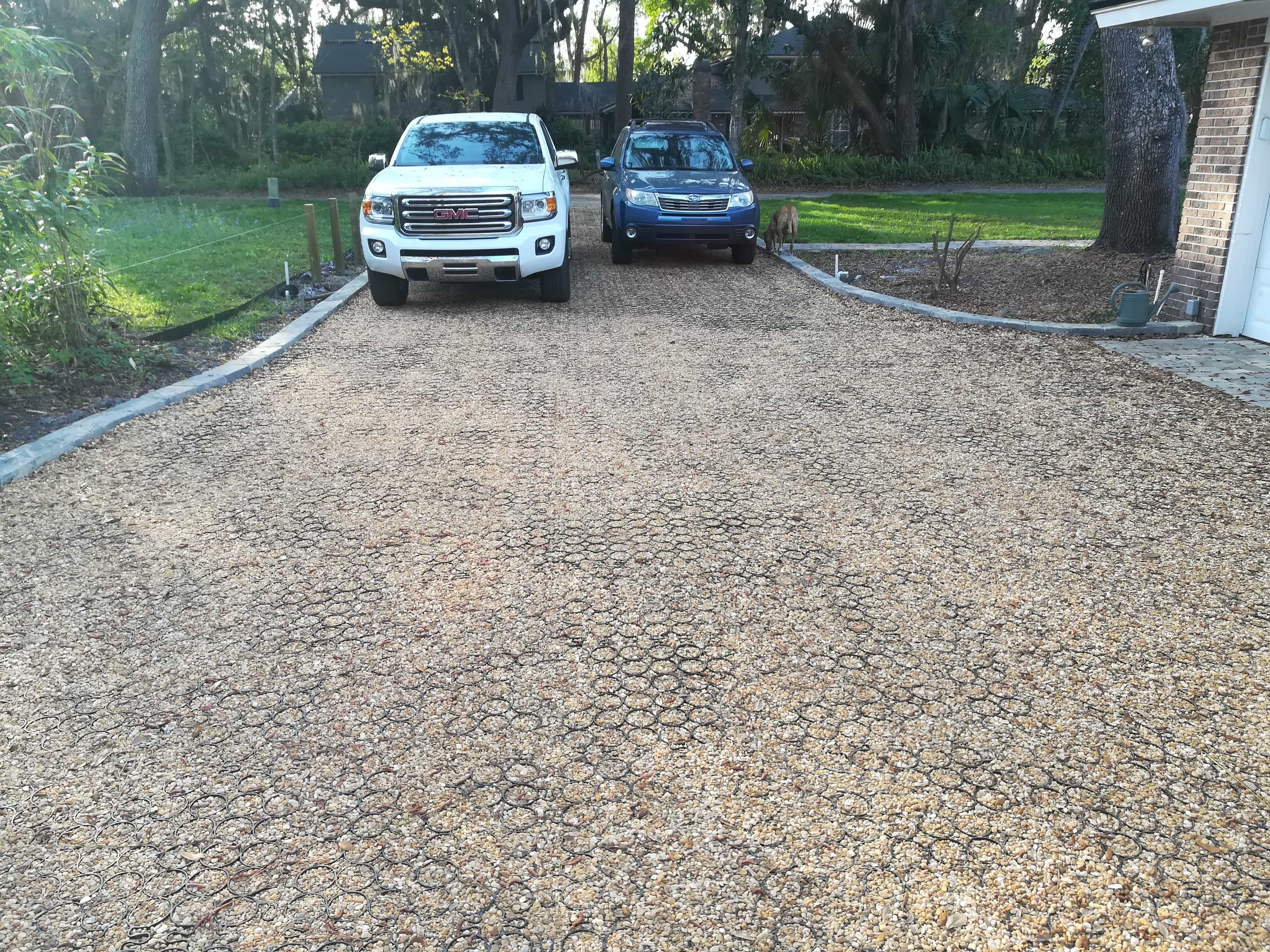
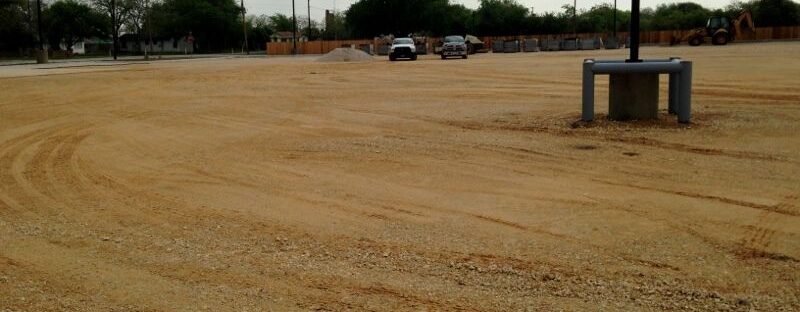
Most hardscaped surfaces do nothing to manage the water that falls on them. As cities grow, more runoff ends up where it shouldn’t—overwhelming drains and damaging paved surfaces. The benefits of permeable paving apply to both residential and commercial projects, making it a smart, long-term alternative to traditional systems.
What Is Permeable Paving?
Permeable paving is a type of surface system designed to let rainwater and snowmelt drain through the surface into a gravel or aggregate base and then into the soil below. This structure prevents pooling, eliminates the need for surface drains in many cases, and helps restore natural water infiltration where impervious materials would otherwise block it.
How Permeable Paving Reduces Site Strain
Permeable surfaces don’t just absorb water—they actively reduce storm system burden and limit physical damage caused by surface flow. The system works with site hydrology, not against it. These functional advantages are central to the core benefits of permeable paving in both engineered and naturalized landscapes.
Stormwater Control and Flood Prevention
By allowing water to soak through the surface instead of running off into storm drains, permeable paving supports localized water retention and groundwater recharge. This lowers peak runoff rates during storms and reduces the chances of flash flooding, even in highly developed areas. In regions with strict water management regulations, this also supports faster permitting and compliance approvals.
Municipal Infrastructure Relief
Permeable paving handles water at the surface. It reduces strain on municipal systems and removes the need for detention ponds, buried drainage, and much of the filtration system dedicated to cleaning the water. That reduction can open more buildable space on constrained lots, especially in urban redevelopment zones where land is scarce. This is one of several infrastructure-related benefits of permeable paving that reduce hard costs and speed up project timelines. Permeable paving also supports adjacent tree health by reducing soil compaction and improving water and oxygen flow to root zones. Studies show that root systems expand more successfully under permeable surfaces compared to conventional paving, which often creates impermeable crusts that restrict growth.
Environmental and Operational Performance Advantages
Environmental benefits alone aren’t enough to drive adoption—installations must hold up under pressure and deliver practical gains. Permeable systems achieve both.
Heat Island Mitigation and Air Quality Support
In commercial districts, permeable surfaces lower ambient temperatures caused by paved areas and building heat reflection. Unlike blacktop, which absorbs and radiates heat, lighter permeable options reflect sunlight and allow ground moisture to evaporate naturally. This helps reduce heat island intensity and supports better surrounding air quality.
Reduced Ice Formation and Safer Surfaces
Quick drainage reduces risk of slip-related incidents caused by pooled water or overnight refreeze. This effect minimizes maintenance needs for salt or sand and improves year-round safety for both pedestrians and vehicles.
Durability Under Vehicle Load
These systems are engineered to support vehicle traffic without deformation. Grid structures distribute weight evenly, and when filled with gravel, they form a highly stable surface that resists ruts and wear. Many models are rated for H-20 or HS-20 loads, making them suitable for everything from driveways to industrial yards.
Built-in Pollution Removal
Hydrocarbon drips from gasoline, diesel fuel, brake dust, and other sources are naturally filtered out of stormwater in a permeable system through bioremediation. Other pollutants such as fertilizers, pet waste, suspended solids, and some metal are physically filtered and bioremediated to keep from reaching downstream drinking water sources. Most of this filtering can be done onsite, at the source, with permeable grid pavers without the need for costly filtration systems or municipal services.
Material Sustainability and Reuse
Sustainable design requires more than performance. Many permeable grid systems are made from 100% recycled plastic, diverting landfill waste and eliminating the need for virgin petroleum-based materials. This supports green building certifications and reduces the overall carbon footprint of hardscape development.
Installations made with recycled content often qualify for LEED credits or local sustainability incentives. Environmental impact is only part of the long-term benefits of permeable paving, especially when paired with recycled materials. The material doesn’t break down under UV or freeze conditions, and it requires no sealants, adhesives, or surfacing treatments—reducing long-term environmental impact even further.
Residential and Commercial Use Cases
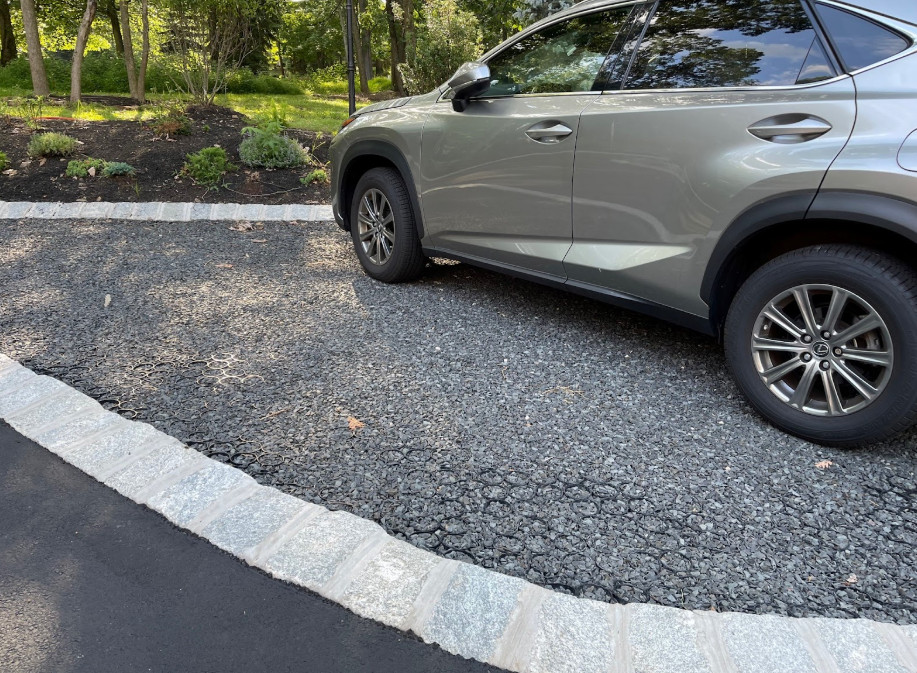
Both residential and commercial applications benefit from the performance advantages of these systems. Homeowners can install gravel-filled grids for driveways, walkways, or patios with minimal maintenance requirements and excellent drainage. Business owners can use them for parking lots, emergency access lanes, or warehouse apron areas that require constant durability under stress.
In both cases, the result is a more resilient site with fewer surface failures and reduced long-term maintenance costs. The benefits of permeable paving also extend into safety, site efficiency, and visual continuity without compromising strength.
Maintenance and Inspection Behavior
Maintaining a permeable grid system is simple. Keeping debris & sediment away from the surface and removal of leaves and other organic material before they decompose, is usually all that is required. Because there are no closed piping systems or subsurface chambers to monitor, inspectors can verify drainage directly at the surface. There’s no need to monitor buried pipes or complicated underground components.
Any isolated damage from vandalism, for example, can typically be corrected by removing and reapplying infill in the affected zone, rather than resurfacing the entire area.
TRUEGRID Performance and Design Integration
TRUEGRID permeable paving systems are engineered to deliver results where conventional surfaces fall short. Made from post-consumer recycled HDPE, they offer an exceptionally durable, modular surface solution for stormwater control and heavy-use applications.
- Options like PRO LITE and PRO PLUS allow teams to match the product to the scale and weight profile of the project.
- These systems are ADA-compliant, rated for heavy vehicles, and easy to install without specialized equipment.
- They also integrate seamlessly into LEED-aligned site plans, providing quantifiable sustainability value.
TRUEGRID systems support the full benefits of permeable paving by eliminating drainage layers, reducing system complexity, and maintaining full infiltration capacity. With installations across residential, commercial, and industrial environments, these pavers hold up under extreme rainfall and consistent use.
Reduce Runoff and Cut Site Costs with TRUEGRID Permeable Pavers
We design our permeable pavers to meet stormwater compliance, reduce infrastructure complexity, and keep maintenance costs down. Every grid system is built to handle heavy use without compromising water infiltration or surface stability. Contact us today for more information.