Stormwater problems often start small. Pooling water, soggy lawns, and eroding soil usually appear gradually after heavy rain. Effective home stormwater management begins with understanding how water moves across a property, where it accelerates, and what prevents it from soaking back into the ground once it gets there.
Why Runoff Builds Up Around Residential Properties
Runoff problems begin when residential surfaces and soil conditions limit how easily water can soak into the ground and instead concentrate flow across the property.
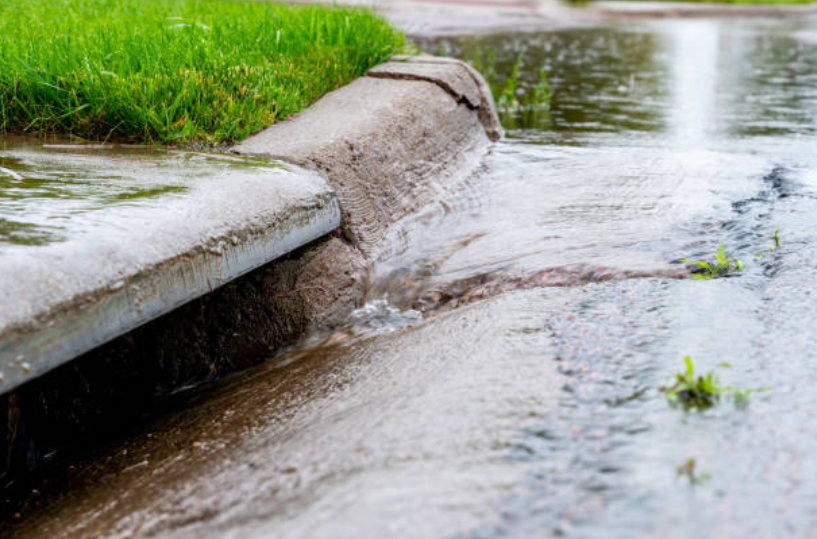
Impervious Surfaces Increase Runoff Volume And Speed
When rain falls on undeveloped land, much of it soaks into the soil and replenishes groundwater.
- Residential properties change that behavior by adding roofs, driveways, patios, and compacted lawn areas that shed water instead of absorbing it.
- Each hard surface increases the amount and speed of runoff, pushing water toward low points where it can collect against foundations, wash away soil, or overwhelm existing drainage paths.
Runoff can also pick up oil drips, fertilizer, and loose soil from driveways and yards, carrying that dirty water toward storm drains and nearby waterways.
Site Changes Over Time Create New Low Points
Runoff issues often worsen gradually rather than appearing all at once. As properties age, soil becomes more compacted in areas exposed to foot traffic, vehicles, or construction activity. Subtle settling can alter grades, creating shallow depressions that hold water, while added hardscapes may redirect flow without accounting for how water already moves across the site.
Recognizing these patterns helps homeowners identify when runoff reflects long-term site conditions rather than a one-off storm.
Treat Stormwater As A Site-Wide System
The first step in home stormwater management is recognizing that runoff behaves as a connected system rather than a series of isolated problems.
- Water leaving the roof continues across driveways, lawns, walkways, and landscaped areas as it moves through the property. Each surface it encounters either slows that movement or pushes it along faster, shaping where water ultimately collects.
- Isolated fixes often fall short because they address only one point in that chain.
- A drain placed in a low spot may capture water briefly, but upstream surfaces keep sending runoff at the same rate, eventually overwhelming the solution and shifting the problem elsewhere.
A system-based approach looks at surfaces, slopes, and how easily water soaks into the ground as interdependent parts that influence performance during every storm.
Use Grading To Control Water Direction
Surface slope plays a major role in where rainwater goes after a storm. Even small grade changes can determine whether water moves away from the home or stalls near the foundation. Pooling often comes from shallow low spots caused by settling or poorly planned additions, which leave runoff with nowhere to go.
Consistent, gentle grading guides water away from vulnerable areas and gives it room to slow down as it travels. Overly steep slopes can do the opposite by speeding up flow and increasing erosion risk, especially where water concentrates along edges.
Grading changes work best when they match the surface material. A properly sloped but impermeable surface still sheds water quickly, while graded permeable areas can let water drain through instead of pushing it toward the next low point.
Manage Roof Runoff At Ground Level
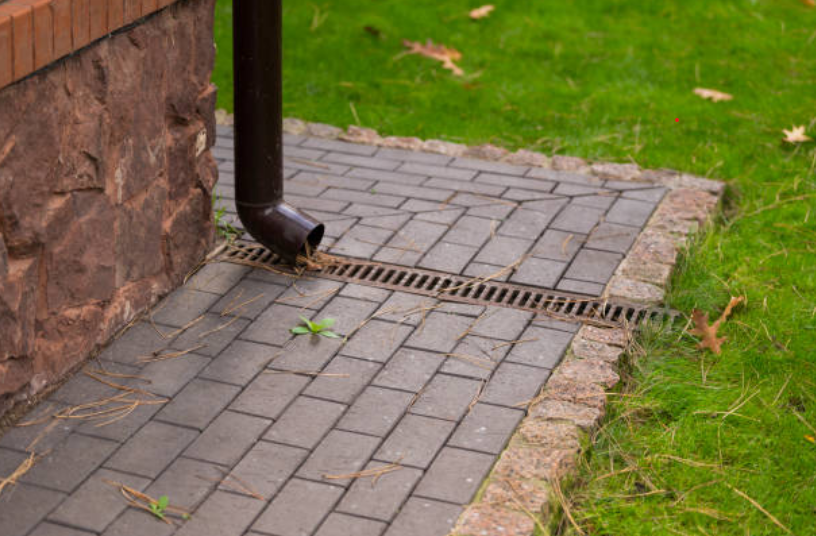
Roof runoff delivers a large volume of water to a few discharge points during every storm. Downspouts that dump water right beside the foundation concentrate flow where soil is often compacted and least able to absorb it. Over time, repeated wetting can contribute to settlement, erosion, and moisture intrusion.
Extending discharge paths improves performance because it:
- spreads water across a wider surface area before it concentrates
- reduces impact and flow speed at ground level so water has time to soak in
- directs roof water toward areas that can absorb it instead of compacted edge zones
Managing roof runoff effectively reduces stress on downstream drainage features and lowers the risk of localized flooding near the home.
Reduce Impervious Surface Area Strategically
Concrete and asphalt don’t let water soak in, so every storm forces rainfall to run across the surface. As impervious coverage increases, peak runoff volumes rise and water reaches problem areas faster. Reducing hard-surface area lowers that peak and gives stormwater more time to spread out instead of concentrating in one place.
Strategic surface replacement works best when it targets the biggest contributors, such as driveways, parking pads, and high-traffic walkways. Surfaces that let water drain through change how the site behaves during heavy storms by allowing rainfall to move down into the base and soil instead of rushing toward the next low point.
Stormwater runoff management improves when hard surfaces are reduced and runoff is guided toward stable areas designed to absorb water rather than pooling near foundations and other vulnerable edges.
Use Vegetation To Slow And Absorb Water
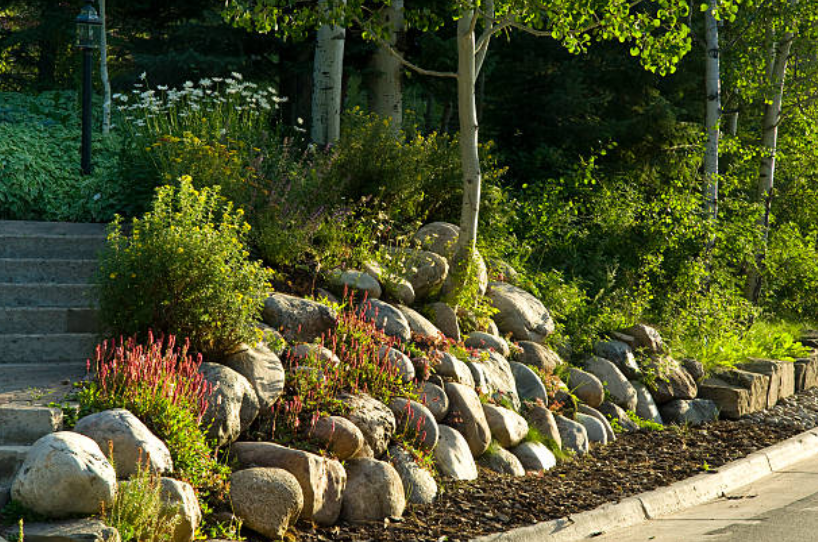
Vegetation helps manage runoff by softening rainfall impact and giving water more chances to soak into the ground.
Choose Planting That Improves Absorption
Vegetation plays a complementary role in home stormwater management by intercepting rainfall and improving soil structure. Trees and deep-rooted plants slow water as it falls, reducing surface impact and erosion. Once water reaches the ground, root systems create small channels that help water move downward instead of running across the surface.
Not all landscaping supports absorption equally. Shallow-rooted plantings and decorative turf, while beneficial, do less than shrubs, native grasses, and trees with extensive root systems that loosen soil and hold it in place. Well-designed planted areas stabilize soil, reduce surface flow, and work alongside permeable surfaces to manage runoff more effectively across the site.
Address Subsurface Compaction And Storage
Soil conditions below the surface determine how much water can be absorbed and stored. Compacted soils resist water movement even when surfaces appear permeable. This condition is common beneath lawns, driveways, and areas subjected to repeated loading.
- Improving soil structure increases the space underground where water can soak in and be held temporarily instead of running across the surface.
- A good plan maps where water starts, where it travels, and where it should soak in, so new projects don’t create fresh puddling spots.
Choose Permeable Surfaces For Driveways And Yards
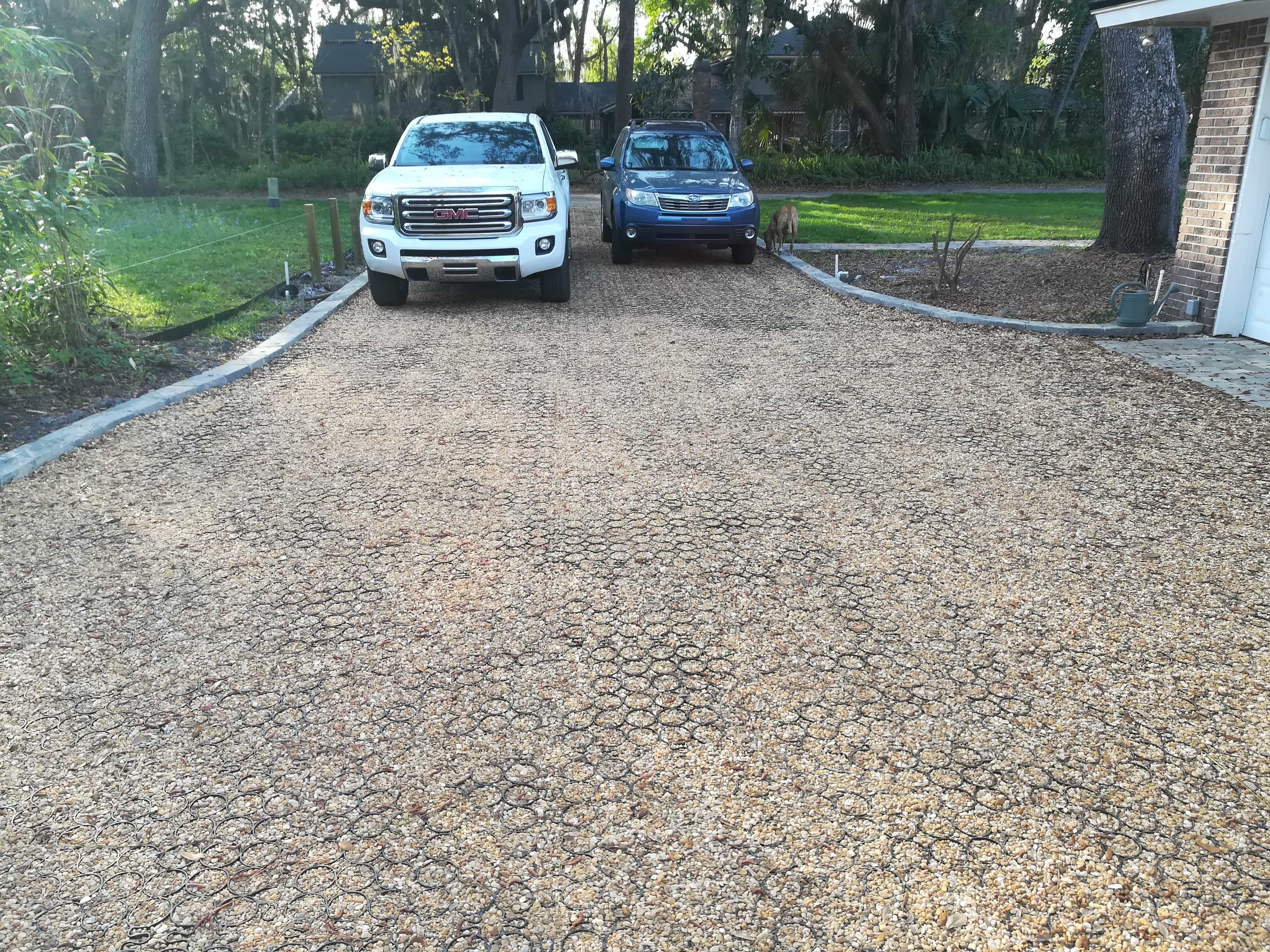
Permeable paving manages runoff by supporting vehicle weight while allowing water to soak through the surface.
How Permeable Systems Store And Release Water
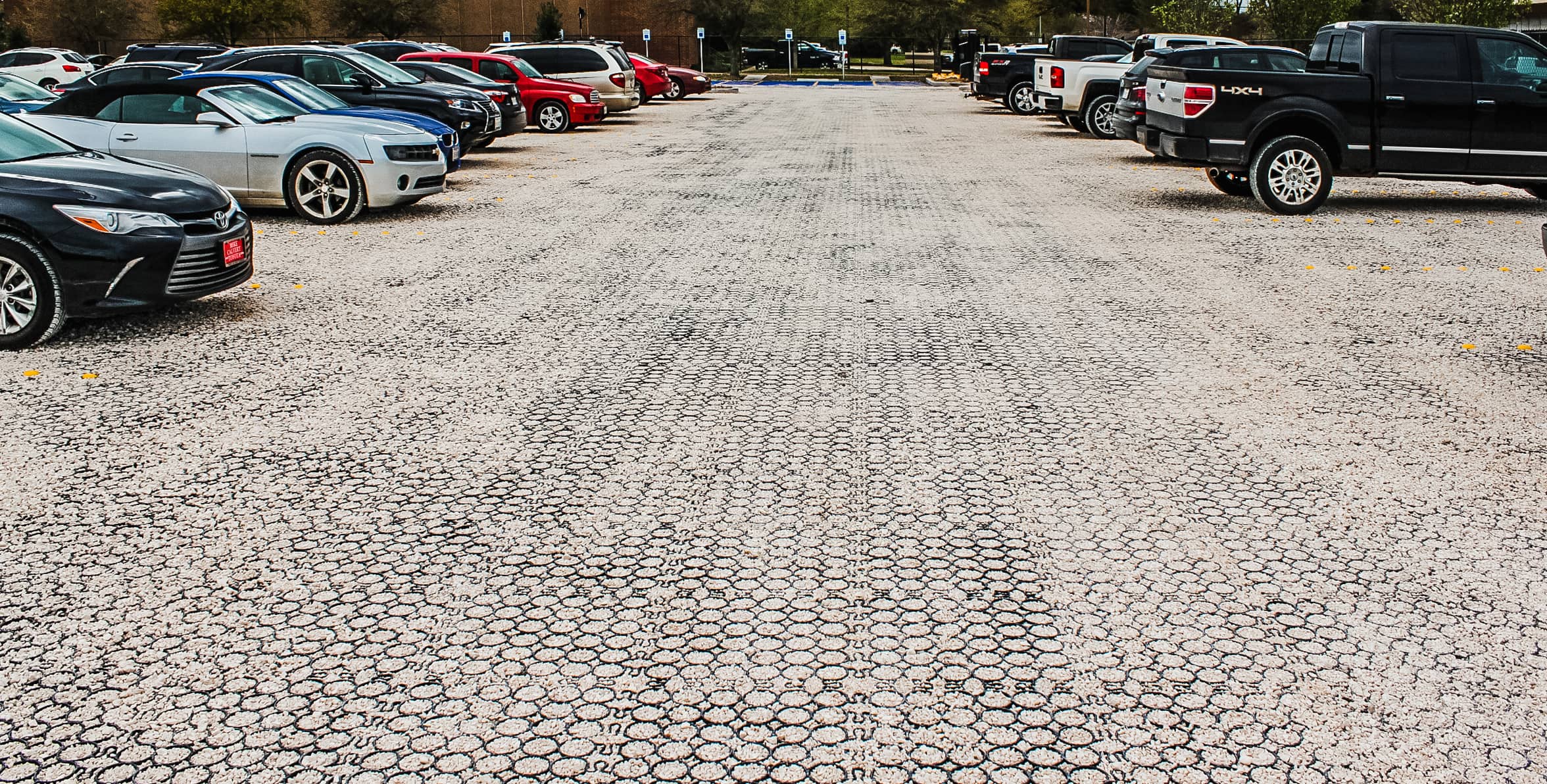
Permeable surfaces combine structural support with infiltration capacity. Instead of shedding water, rainfall passes through the surface and enters a stone base that temporarily stores runoff before releasing it into the underlying and nearby soils. This process reduces surface flow and limits pooling during peak rainfall events.
Why Permeable Surfaces Perform Better In High-Use Areas
Solid pavements concentrate runoff and increase velocity, which places stress on adjacent soils and drainage features. Permeable systems distribute water vertically, slowing movement and reducing erosion risks. A key advantage of permeable paving in home stormwater management is predictability, since properly installed systems guide water along defined paths and maintain consistent performance without relying on mechanical drainage components.
Integrate Permeable Pavers Into A Complete Site Plan
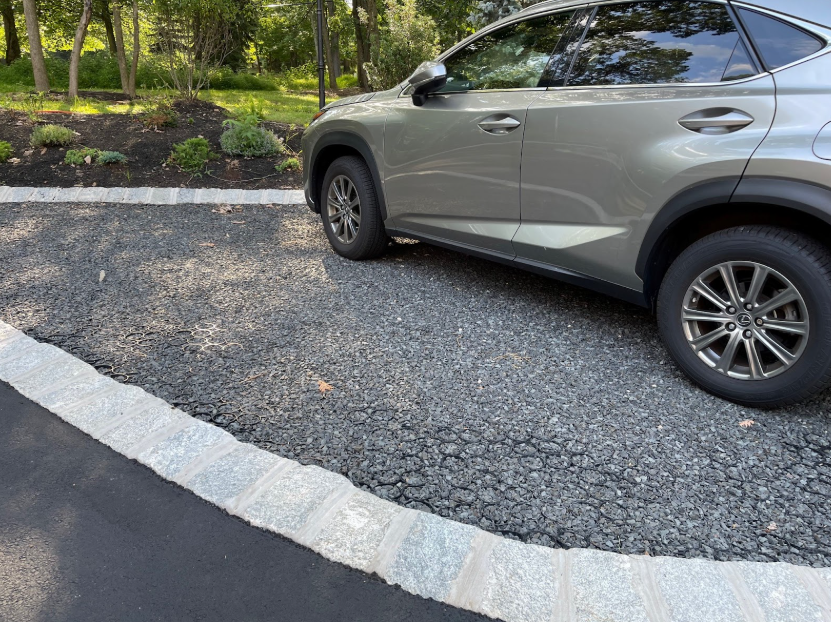
Permeable surfaces work best when grading and soil conditions are considered together. Nearby slopes should guide runoff toward areas designed to drain through, and the soil beneath should be able to take in water or move it away in a controlled way during heavy storms.
TRUEGRID® permeable pavers distribute loads across a gravel base while leaving open space for temporary water storage below the surface. That structure supports daily vehicle use, improves long-term drainage, and reduces the cracking risks common with rigid pavements.
Water runoff solutions typically improve when grading, drain-through surfaces, and planted areas are designed as one coordinated system rather than separate upgrades.
Maintain Performance Over Time
Stormwater systems are tested repeatedly by seasonal weather and daily use.
- Leaves, sediment, and organic debris can gradually reduce drainage if allowed to accumulate.
- Periodic inspection and light surface cleaning preserve performance and extend system life.
- Upkeep is typically simpler than corrective erosion repair.
Observing how water behaves after major storms helps identify areas that may benefit from minor adjustments before larger issues develop.
Design Outdoor Spaces To Work With Water
Effective home stormwater management treats water as part of the site rather than something to push aside. Coordinated decisions that slow runoff, increase infiltration, and guide water back into the ground reduce long-term risk while preserving usable outdoor space.
By selecting surfaces and layouts that work with natural drainage patterns, homeowners gain reliable stormwater control without sacrificing durability or functionality.
Manage Residential Stormwater With TRUEGRID Permeable Pavers
TRUEGRID engineers permeable paving systems that support residential stormwater control while maintaining stable, load-bearing surfaces. Each system integrates with grading, gravel bases, and landscape features to improve infiltration and reduce runoff. Contact us today for more information.