Municipal pavement decisions can lock a city into decades of drainage costs. When surface design, stormwater storage, and maintenance are evaluated separately, public agencies may use more land and capital than a project requires. Permeable pavement for municipalities gives engineers and public works teams a way to combine durable access with runoff control, groundwater recharge where conditions allow, and more efficient use of public property.
How Permeable Pavement for Municipalities Manages Stormwater
Municipal performance depends on the selected surface and the engineered pavement section beneath it.
Permeable Pavement Types and Components
Permeable pavement routes rainfall through an open surface into an engineered aggregate section. The term includes porous asphalt, pervious concrete, permeable interlocking concrete pavers, and plastic grid paving, each with different structural, installation, accessibility, and maintenance characteristics.
Surface materials, infill, base depth, and subgrade support affect structural performance. Liners, drains, outlets, and reservoir capacity determine how the pavement stores and releases water.
Infiltration, Detention, and Overflow
Where native soil can accept the design volume, an infiltrating system allows stored water to enter the ground. Lined and underdrained systems can still provide detention and controlled release when groundwater, contamination, soil conditions, or regulations limit direct infiltration.
A well-designed permeable pavement for municipalities can reduce immediate runoff by managing rainfall where it lands. Distributed storage can ease pressure on inlets, pipes, channels, and downstream low points, and a designed overflow provides a discharge route when storms exceed the system’s capacity.
How Permeable Pavement Supports Municipal Stormwater Goals
Municipal stormwater benefits depend on how the engineered system is designed, approved, and maintained.
Regulatory Coordination
Permeable paving can serve as an approved stormwater best management practice when the engineered system satisfies applicable municipal requirements. Those requirements may address runoff volume, peak discharge, water-quality treatment, overflow routing, inspection, and long-term maintenance.
A regulated MS4 operator may receive stormwater credit for permeable pavement under its NPDES permit. The local authority must recognize the design’s storage, treatment, and discharge functions.
Runoff, Recharge, and Water Quality
The system contributes to reducing stormwater runoff by placing temporary storage beneath a usable paved area. That storage can delay discharge and reduce peak flow, and groundwater recharge occurs when stored water can infiltrate suitable native soil. Lined systems and some underdrained systems may provide detention and treatment without returning a meaningful volume of water to the groundwater supply.
Water-quality improvement also depends on the complete pavement section. Sediment can collect near the surface, and aggregate layers may filter runoff as it moves through the system. Physical filtration and biological processes may provide additional treatment, but officials should evaluate the runoff source, soils, system design, and maintenance plan instead of relying on one universal pollutant-removal percentage.
Detention and Land-Use Efficiency
Permeable pavement may reduce separate detention requirements when the reservoir provides approved storage and release capacity. It should not be assumed that every project will eliminate a pond or conventional drainage feature.
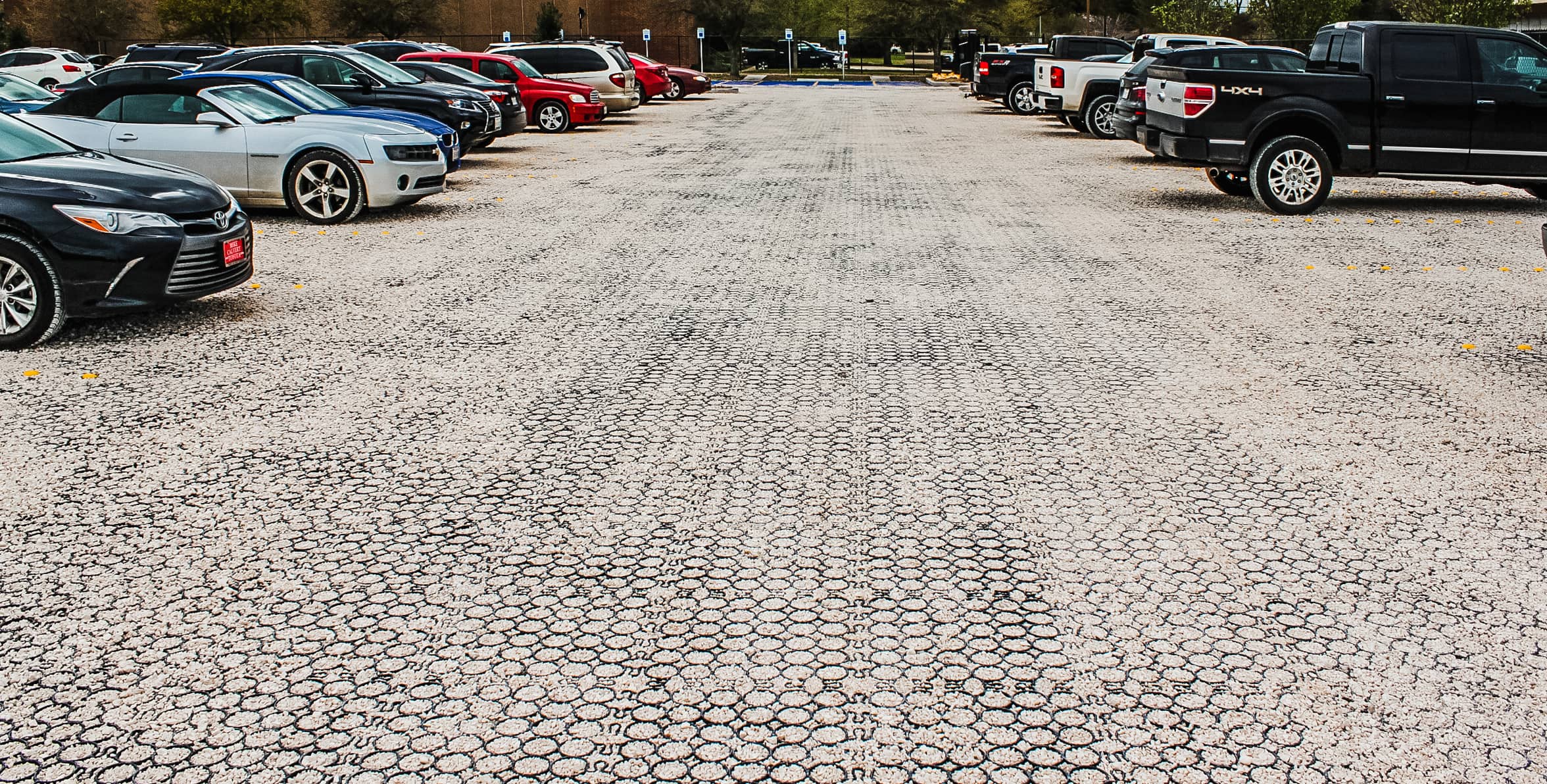
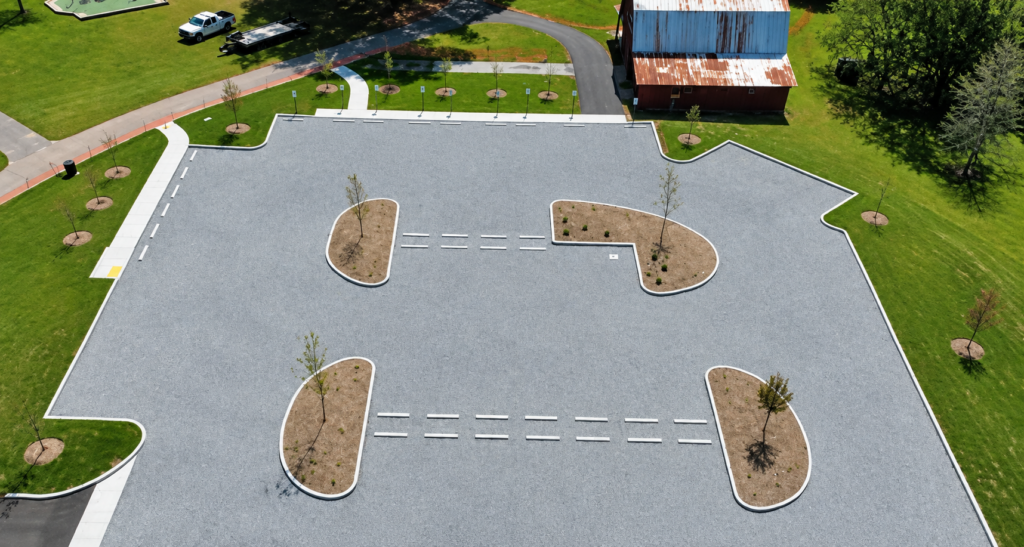
Storing stormwater beneath a parking lot, fire lane, or event area allows one part of the site to serve two functions. That can preserve land for recreation, buildings, landscaping, or other public needs.
Where Permeable Pavement for Municipalities Fits in Public Infrastructure
Permeable pavement works best when each application is matched to its traffic, accessibility, sediment, spill, and maintenance conditions.
| Municipal Application | Primary Design Concern | Stormwater Opportunity |
|---|---|---|
| Public parking lots | Repeated loading, turning, accessibility | Large subsurface storage area |
| Alleys | Utilities, sediment, service vehicles | Runoff control where drainage space is limited |
| Maintenance yards | Heavy loads, spills, and tracked sediment | Clean parking or access zones may provide detention or infiltration |
| Parks and trails | Accessibility, bicycles, leaf debris | Infiltration near recreational land |
| Fire lanes and emergency roads | Apparatus loads, edge support, approval | Storage beneath required access |
| Sidewalks | Smoothness, slopes, transitions | Reduced runoff from pedestrian routes |
| Transit facilities | Frequent traffic, buses, snowplowing | Storage beneath parking and access areas |
| Utility access roads | Heavy equipment, concentrated loads | Stable access with infiltration or detention |
| Public event spaces | Crowds, temporary equipment, surface stability | Subsurface storage beneath flexible public space |
Parking lots are often strong candidates because their area can provide meaningful subsurface storage. Trails, sidewalks, and event spaces require closer review of opening size, infill, transitions, slope, and long-term surface condition.
What Public Works Officials Should Evaluate
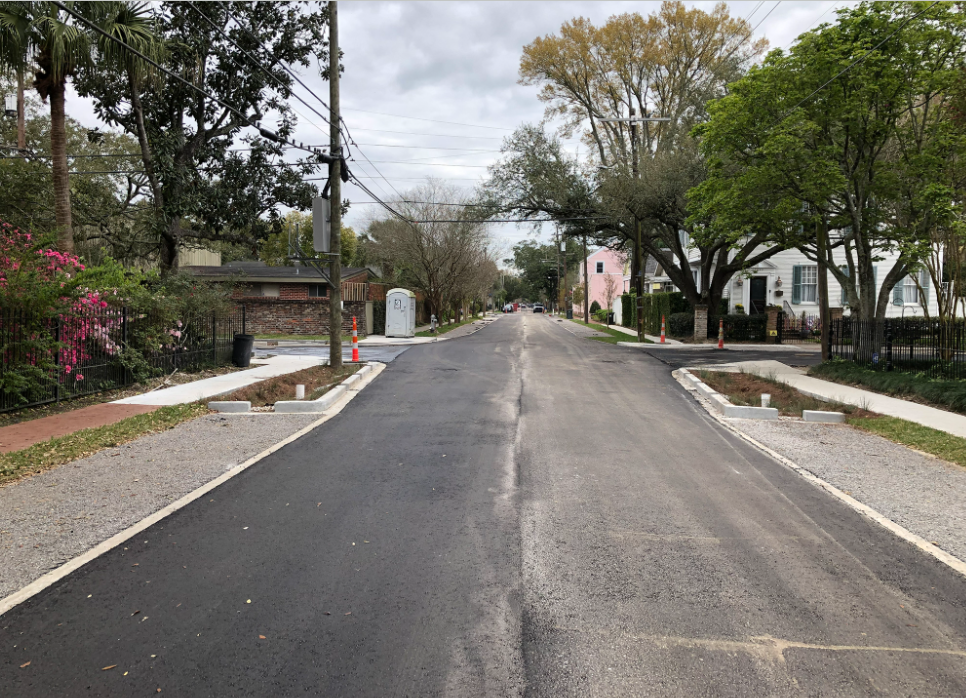
Municipal selection should begin with project loading, drainage, public use, and maintenance requirements rather than a product data sheet viewed alone.
Load Capacity and Traffic
Some permeable pavement systems can carry heavy municipal traffic when the surface, aggregate section, subgrade, edge restraint, and drainage are designed for the expected loads. The same principle applies to fire apparatus, which requires a pavement section engineered for the applicable vehicle loads and approved by the fire authority.
Axle weight and traffic frequency tell only part of the structural story. Repeated turning, braking, snowplowing, and confined movement can place additional stress on fleet yards, transit facilities, and parking areas. The City of Capitola installation reflects this type of mixed use, combining public parking with access for police, fire, and maintenance vehicles.
Durability and Localized Repair
Stable edges, aggregate confinement, adequate drainage, and correct installation protect long-term durability. Poor subgrade preparation, prolonged saturation, insufficient base support, or displaced infill can reduce stability even when the paver or grid carries a high product-level load rating.
Modular paver and grid systems may allow crews to remove and replace a localized section instead of disturbing a larger continuous pavement area. The repair area and method will vary with the selected surface, the extent of the damage, and the availability of compatible materials.
Site Hydrology and Drainage
Soil infiltration, groundwater depth, contributing drainage area, design-storm volume, and outlet capacity determine how the system should handle water. Where native soil drains slowly, the design may require an underdrain, raised outlet, liner, or controlled discharge.
A municipal stormwater management plan should establish the required storage volume, discharge route, overflow provisions, documentation requirements, and approval process before the pavement section is finalized.
Freeze-Thaw Conditions and Winter Operations
Permeable pavement can perform in freeze-thaw climates when the section drains properly and winter maintenance does not introduce clogging material. Saturated base layers, frost-sensitive soils, snow piles, and repeated sanding can reduce performance.
Snowplow procedures, edge conditions, deicing materials, and spring inspection belong in the operations plan. TRUEGRID’s Rockaway Ferry parking installation provides a transit example involving frequent public use and winter plowing.
Accessibility
Vehicle capacity does not establish pedestrian accessibility. Municipalities should evaluate opening size, fill, transitions, slope, stability, and long-term surface condition for sidewalks, trails, transit facilities, and event spaces.
The finished route must remain suitable for the people expected to use it. Surface movement, displaced infill, or poorly maintained transitions can undermine an initially accessible design.
Installation and Construction Controls
Construction quality shapes long-term structural and hydraulic performance. Subgrade disturbance, contaminated aggregate, poor compaction, missing edge restraint, incorrect infill, and construction sediment can create problems before the facility opens.
Protecting the pavement from sediment during surrounding construction is especially important. Once fine material enters the openings and aggregate layers, restoring infiltration may require more than routine cleaning.
Maintenance Must Be Planned Before Construction
Municipal permeable pavement requires inspection, sediment control, sweeping, and periodic vacuum cleaning to preserve infiltration. The schedule should reflect traffic, nearby soil, tree cover, winter practices, and measured surface performance.
Preventive maintenance begins outside the pavement. Stabilized shoulders, protected planting beds, erosion control, and limits on winter sand can keep fine material from reaching the openings. Before project acceptance, public works departments should assign responsibility, inspection frequency, cleaning equipment, corrective procedures, recordkeeping, and long-term funding.
Compare Lifecycle Cost at the System Level
A fair comparison must distinguish routine pavement maintenance from the complete cost of constructing and owning the pavement and stormwater systems.
Compare Pavement Maintenance Profiles
Asphalt may require crack repair, patching, sealing, rut correction, and resurfacing. Concrete can create costs related to joint maintenance, cracking, settlement, and slab replacement. Permeable pavement shifts part of its ownership cost toward sediment management, inspection, and periodic vacuum cleaning.
That different maintenance profile may reduce some repair expenses on suitable projects. Whether it lowers total maintenance cost depends on sediment control, inspection, cleaning, and infill or surface repairs.
Calculate the Complete Project Cost
Surface price alone excludes excavation, aggregate storage, inlets, pipes, detention land, drains, outlets, cleaning, rehabilitation, and replacement. Permeable pavement for municipalities often presents its strongest financial case when the paved area also satisfies approved stormwater-storage requirements.
A higher paving cost may remain competitive when the same area also performs a stormwater function. The comparison must use the project’s actual traffic, climate, drainage, maintenance, and rehabilitation assumptions because no pavement category is automatically the least expensive over its full service life.
How Permeable Pavement Supports Sustainability and Resilience
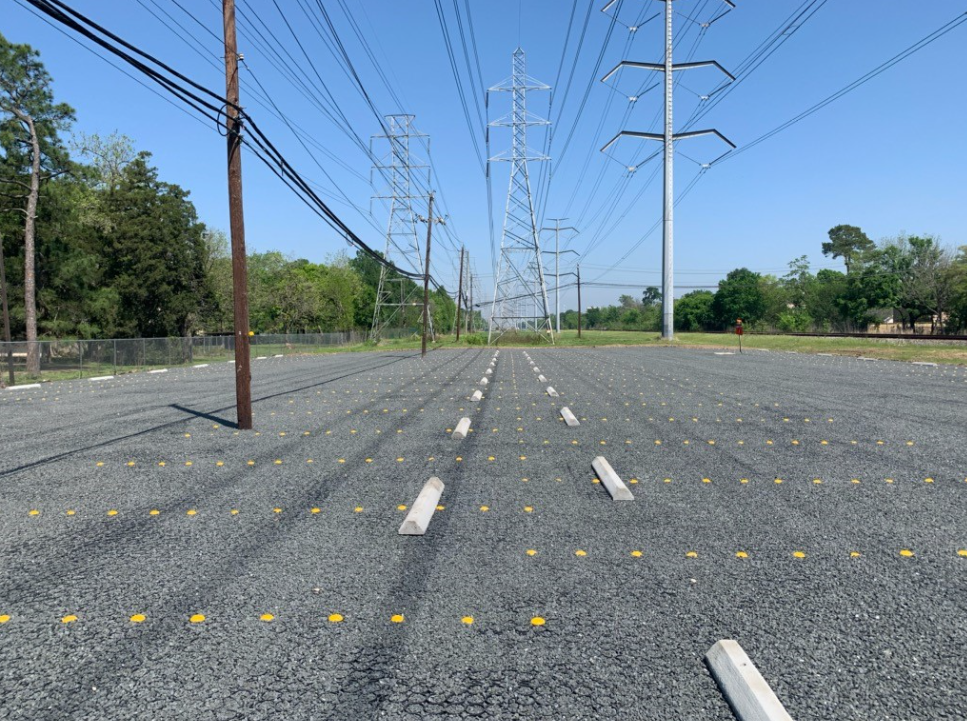
Distributing stormwater storage across parking areas, fire lanes, and other paved public sites can reduce the amount of runoff reaching the municipal drainage network at one time. That added capacity can support local flood-mitigation and resilience goals. Larger storms, drainage failures, and watershed conditions can still exceed the system’s design.
Where Permeable Pavement May Need Modification
Direct infiltration is not appropriate for every public site. Fueling areas, chemical-handling zones, contaminated soils, high groundwater, uncontrolled sediment, or significant spill risk may require a liner, pretreatment, controlled drainage, or an impervious surface. Maintenance yards deserve particular attention, although permeable paving may still fit clean parking or access zones when runoff from higher-risk operations is managed separately.
Some roadway uses may also exceed the selected system’s practical range. High speeds, intense repeated loading, unusual braking forces, or limited maintenance access can make another pavement type more appropriate.
Why Heavy-Duty Grid Systems Fit Some Municipal Projects
Once the project team confirms that the site can support permeable paving, officials can compare the available surface systems. Heavy-duty plastic grids are one option for confining aggregate, maintaining openings for rainfall, and allowing localized repair.
TRUEGRID PRO PLUS is designed for commercial and heavy-use applications, and the company publishes technical information for loading, fire lanes, installation, and maintenance. PRO PLUS is manufactured from recycled HDPE, but municipalities should still evaluate the material alongside the system’s structural and stormwater performance. Product documentation should show that the proposed grid, base section, installation method, and maintenance plan fit the conditions at the site.
Public Works Selection Checklist
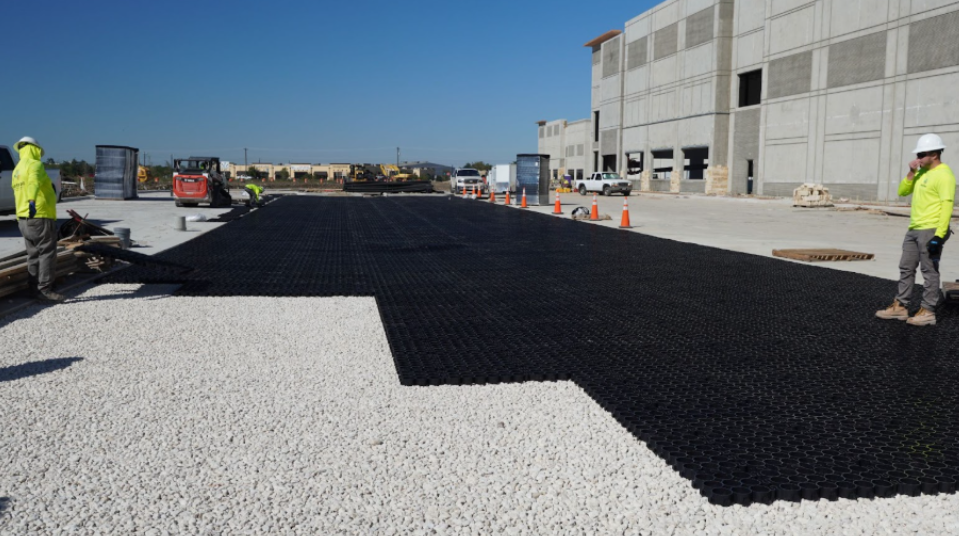
Before specifying permeable pavement for municipalities, the project team should confirm the following conditions. Each item affects structural performance, stormwater function, or long-term maintenance. The project team should close any remaining information gaps before approving the pavement section.
- Expected axle loads, traffic repetitions, turning, and braking
- Emergency vehicles, snowplows, buses, and maintenance equipment
- Subgrade support, soil infiltration, groundwater, and contamination
- Required storage, underdrains, liners, outlets, and overflows
- Freeze-thaw exposure and winter-maintenance practices
- Accessibility for the intended public route
- Sediment sources and construction-stage protection
- Cleaning equipment, staffing, records, and long-term funding
- Manufacturer testing, details, and comparable projects
- Local stormwater, pavement, fire-access, and accessibility approval
- Complete lifecycle cost for pavement, drainage, land, and maintenance
Evaluate Your Municipal Paving Project With TRUEGRID
TRUEGRID can provide product data, section details, installation guidance, and project examples for public parking, emergency access, transit, and other heavy-use applications. Our team can help project stakeholders evaluate how a grid paving system may fit the site’s loading, drainage, maintenance, and land-use goals. Contact us today for more information.