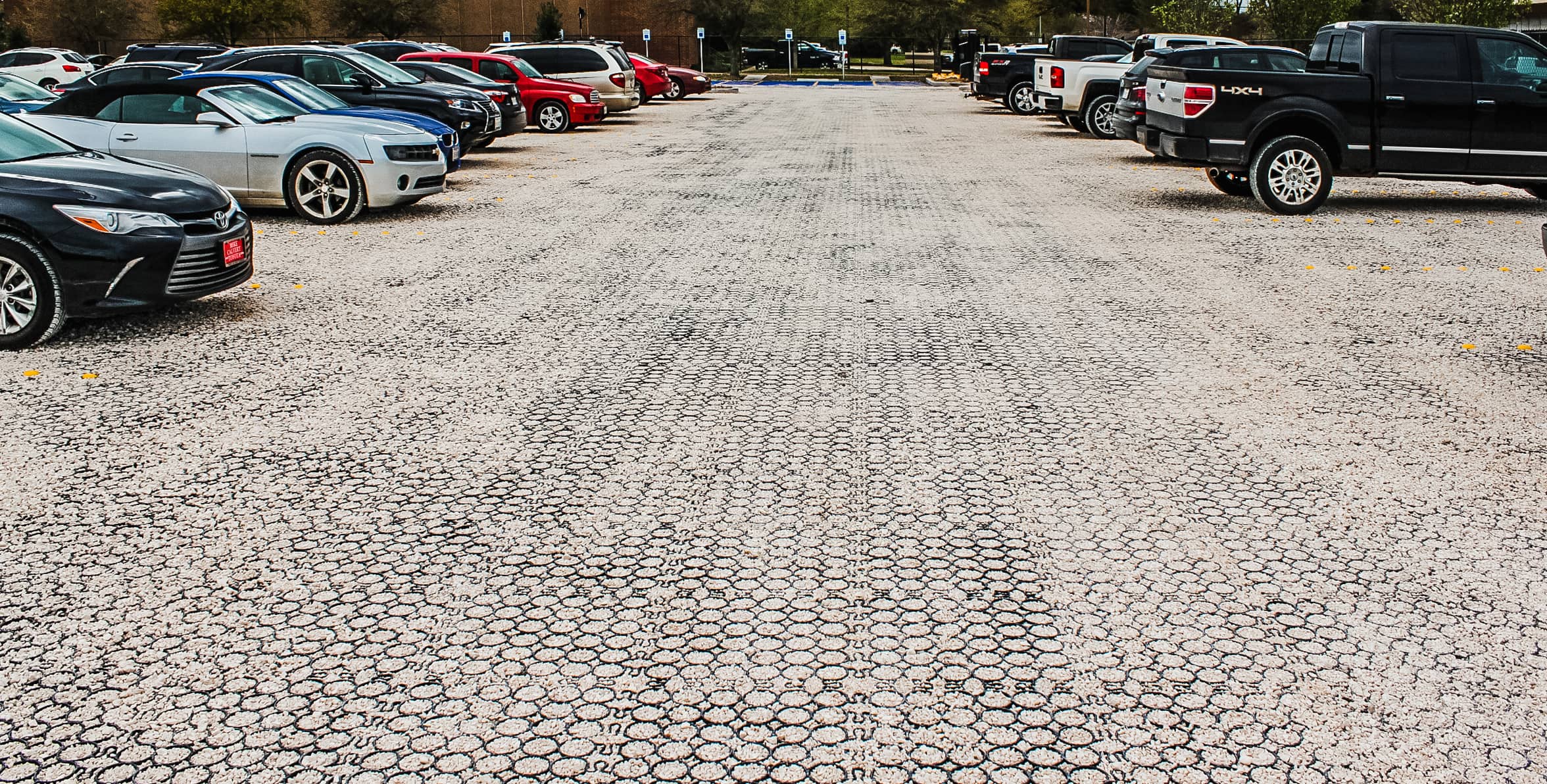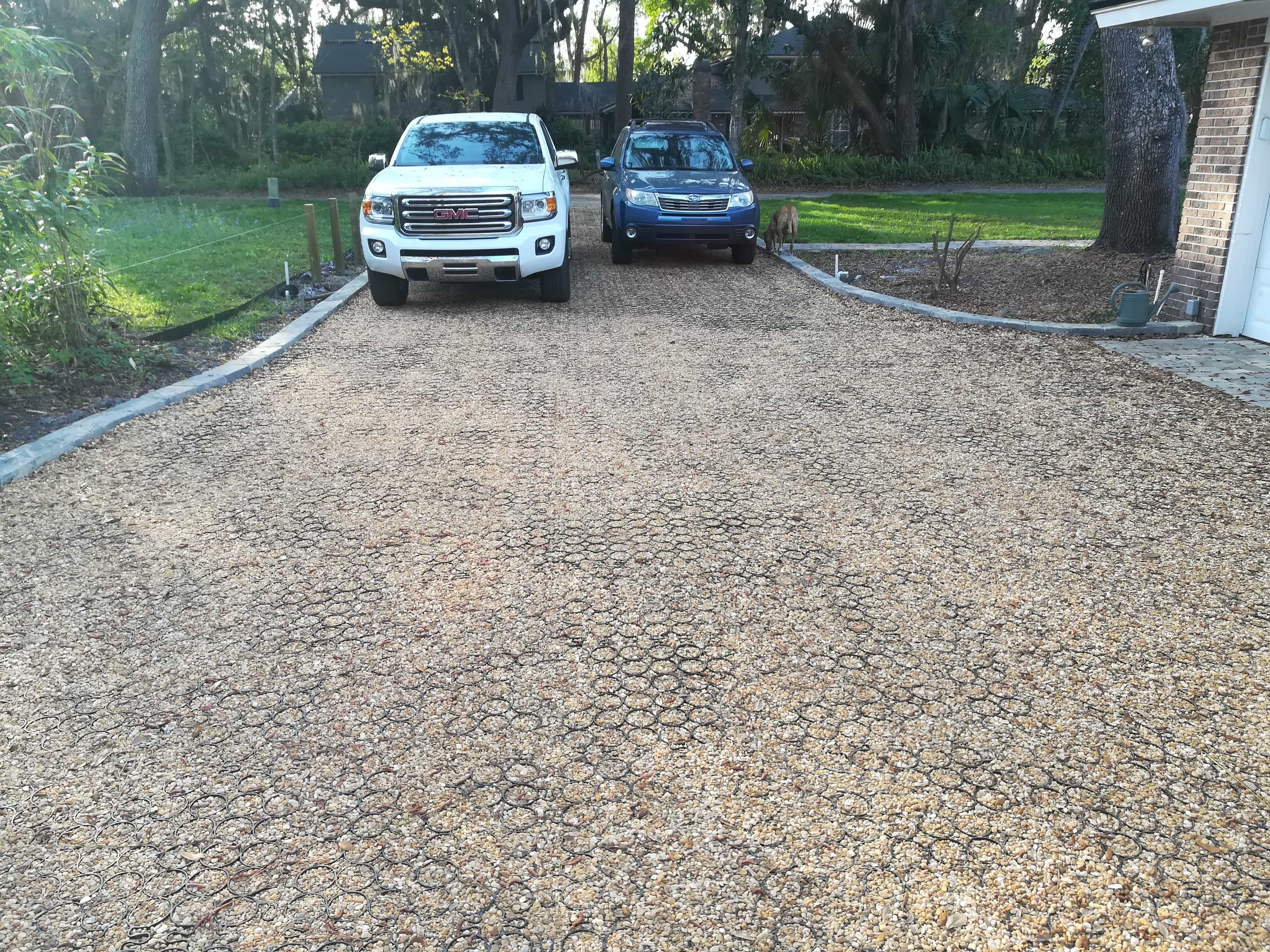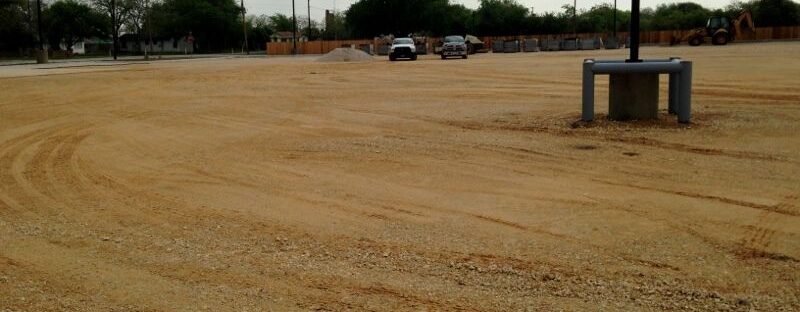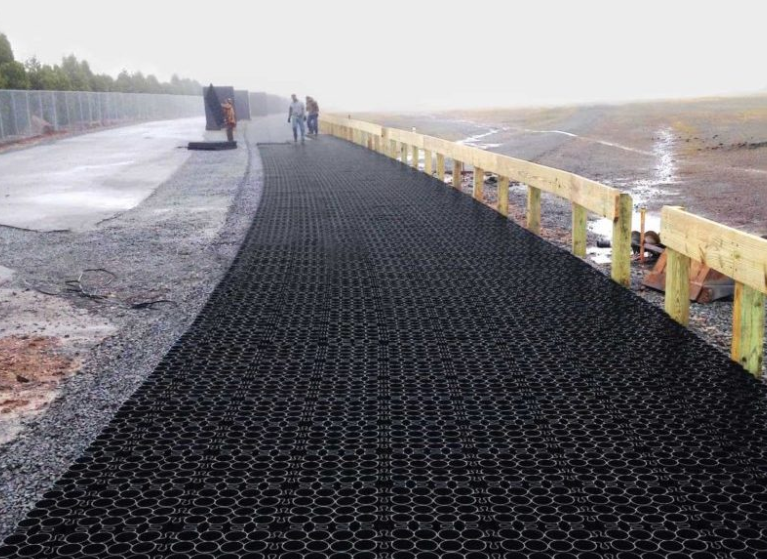
A permeable grid surface can look finished on day one and still develop rutting, shifting, or standing water if the system below it was not built for the site. Those problems can lead to repair costs, drainage complaints, uneven driving surfaces, and premature replacement. The most common permeable grid paver problems usually trace back to product selection, site preparation, installation quality, and maintenance.
Common Permeable Grid Paver Problems And What Causes Them
The most common permeable grid paver problems are rutting, shifting, drainage loss, clogging, cracking, erosion, and inadequate load support. The visible issue may show up at the surface, but the cause often sits in the soil, base, aggregate, drainage path, grid material, installation method, or traffic load.
A reliable permeable grid surface depends on the subgrade, base, aggregate, and grid working together. The subgrade must support the system, the base must drain and distribute load, the aggregate must stay open enough for water movement, and the grid must be suited to the vehicles and use pattern expected on the site.
| Problem | Common Cause | Prevention Method |
|---|---|---|
| Rutting | Weak subgrade, shallow base, poor compaction, or traffic loads that exceed the system design | Prepare the soil, install the correct base depth, compact the aggregate, and match the grid to the load |
| Shifting | Poor interface with adjacent material, rounded gravel base, loose rounded fill, or repeated turning pressure | Use angular aggregate, stable edges, correct fill, and a grid system that locks the surface together |
| Poor Drainage Performance | Contaminated base stone or fill, poor soil permeability, clogged surface voids, or no drainage outlet or low rates of sub-soil infiltration | Use clean washed aggregate, protect the base from fines, and plan a drainage path for slow-draining soils. Adjust base depth for more detention |
| Clogging | Leaves, sediment, soil wash-in, or fine particles entering the open aggregate | Keep debris off the surface and avoid sand or fines in the base and fill |
| Cracking | Lower-grade grid material, poor support below the grid, or extreme load stress beyond the product’s intended use | Choose a durable, load-matched grid and install it over a compacted base with proper depth for loading |
| Erosion | Uncontrolled runoff, slope movement, rounded stone use, unstable edges, or soil migration into the stone base | Control grading, use separation fabric, stabilize edges, and manage water movement |
| Inadequate Load Support | The grid and base were selected for lighter use than the site receives | Select the grid, base depth, and aggregate for the actual vehicle type and frequency |
Why Rutting And Shifting Usually Start Below The Surface
Rutting and shifting are different surface symptoms, but both point to support or movement problems below the finished surface.
Rutting Starts With Weak Support
Rutting usually begins when traffic loads press into a base that is too weak, too shallow, or poorly compacted. Once the support layer stops distributing weight evenly, tires follow the low spots and deepen the rut over time.
A geotextile fabric addition also adds to the loading capacity.
Shifting Starts With Lateral Movement
Shifting happens when the surface lacks lateral stability. Rounded gravel can roll under pressure, loose fill can migrate, and weak edges can allow the grid field to move during turning or braking. Edge restraint is especially important on driveways, parking lanes, sloped areas, and any place where vehicles turn repeatedly.
Proper subgrade preparation starts surface stability before the grid is placed. A dry, stable subgrade, compacted angular stone base, and proper geofabric separation where specified help reduce the risk of rutting, shifting, and soil mixing into the base.
Using a fabric separator for the walls and the floor of the excavated volume will prevent intermixing of unlike materials reducing shifting at the perimeter and the floor.
How Drainage Performance Breaks Down
Drainage performance depends on a connected path through the surface, the aggregate, the base, and the outlet or soil below it.
Blocked Drainage Paths
Poor drainage performance is one of the most frustrating permeable grid paver problems because the system may have been chosen specifically to reduce runoff. Water needs a clear route through the surface, into the aggregate, and then through the base or away from it. If any part of that path is blocked or undersized, ponding and slow drainage can appear.
Clogging From Fines And Debris
While noticeable clogging is rare in a well installed grid paver system, it can occur. Fine soil particles, airborne dust, leaf debris, organic matter, sand, and sediment can block open voids in the surface or base. Clean washed aggregate supports stormwater management because it preserves open space for water to move through the pavement structure instead of blocking that structure with fines.
Slow-Draining Soil Conditions
Soil conditions also affect drainage. Heavy clay or other slow-draining subgrades may need a designed outlet, perforated pipe, or sloped base to move water away. Without that drainage plan, water can collect below the surface, weaken support, and contribute to rutting or erosion. Adding additional depth to the base layer can help with the time of concentration for the infiltration of high clay content, poorly draining, or saturated soils.
How Erosion, Cracking, And Material Quality Affect Performance
Erosion and cracking usually show up after water movement, edge support, material quality, or load conditions have already started working against the surface.
Erosion Starts With Uncontrolled Water Movement
Erosion can develop when water moves around or over the system instead of through it. Sloped sites, exposed edges, and poorly graded areas can allow runoff to wash soil away from the base or pull loose material from the surface. Once edges become unstable, shifting and settlement become more likely.
Material Quality Affects Cracking And Deformation
Cracking is different with grid systems because they do not behave like poured concrete. Lower-grade or poorly supported grid materials may crack or deform when exposed to traffic loads beyond their intended use. Cracking can also show up around adjacent hardscape, borders, or transition areas when the base does not support movement evenly.
These permeable grid paver failures usually point back to design fit. The surface must be built for the site, and the grid must be specified for the traffic it will carry.
Certain materials used in grid paver manufacturing are also more prone to cracking a deformation. Use of HDPE as the primary resin can mitigate most any detrimental effects associated with other polymers used in manufacturing.
Why Load Support And Grid Selection Matter
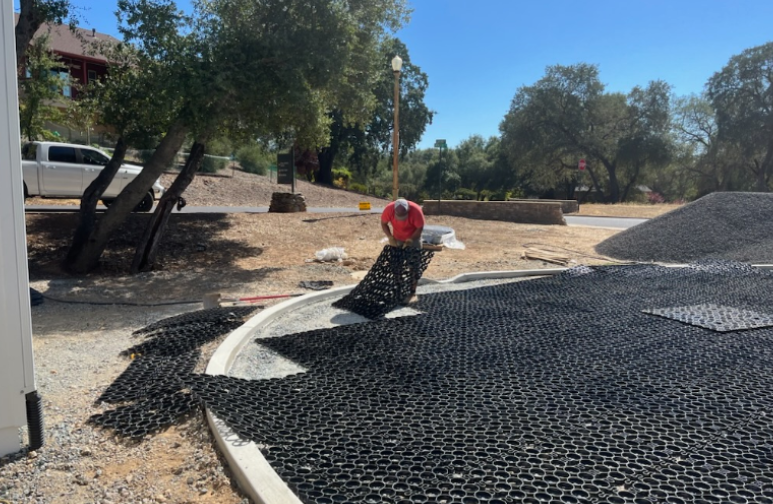
Load support combines traffic expectations, grid selection, material quality, and base design.
Traffic Load Comes First
A permeable grid system should be selected for the traffic it will carry, not just the square footage it will cover. A residential walkway, a home driveway, a commercial parking area, and an access lane for heavier vehicles place different demands on the grid and base. Choosing a light-duty system for a heavier-use surface increases the risk of deformation, movement, and early repair.
Load Distribution Depends On The Grid And Base
Load distribution is the way traffic pressure spreads across the grid and compacted base. That spreading helps reduce concentrated tire pressure in one narrow track. If the grid is too weak, the base is too shallow, or the aggregate is unstable, the system loses that load-spreading function.
Certain existing soil types are also better suited for loading and may not need as much base as structurally weak soils may require.
Material Quality Affects Durability
Material quality also affects durability. A weaker grid can lose cell shape, crack, or deform under repeated traffic, especially when the base below it is not prepared for the actual load. A load-matched grid still depends on the right base, but it gives the system a better structural starting point.
Product selection carries that load-support decision into the planning stage. Residential DIY permeable pavers require planning around soil, slope, base depth, aggregate, and drainage before installation begins. Larger or heavier-use projects need the same logic applied with a more demanding traffic profile.
Installation Details That Help Prevent Failure
Good installation reduces many permeable grid paver problems before they start. The most important installation checks include:
- clean angular stone that can compact and interlock
- checked drainage and edge conditions before traffic use
- a level surface before grid placement
- correct fill and final compaction
Geofabric or geotextile can also matter when the site needs separation between soil and base stone. If fine soil migrates into the aggregate, the base can lose storage space and drainage capacity. That contamination can also weaken the support layer and increase the chance of rutting.
The installation sequence should keep the surface level, compacted, and filled correctly. Proper permeable paving installation uses compacted crushed stone, clean washed aggregate, geotextile fabric support and edging, and final compaction to help the finished system support traffic and maintain drainage.
Maintenance Protects Long-Term Drainage And Stability
Maintenance should not be treated as a sign that the system is weak. It is part of keeping any permeable surface open and functional. Leaves, mulch, soil wash-in, and jobsite debris can accumulate over time, especially near planting beds, slopes, construction areas, and unpaved shoulders.
Routine care keeps stormwater moving by keeping the surface open. Property owners should:
- remove debris before it settles into the aggregate
- limit sediment wash-in from nearby soil or mulch
- restore displaced aggregate when needed
- watch for low spots before they grow
Maintenance also gives property managers and developers a way to catch problems early. A small area of movement or pooling can point to an edge, drainage, or base issue that should be corrected before it spreads. Those clues also help during planning because they point to the loads, water movement, and edge conditions the system must handle.
What To Check Before Choosing A Permeable Grid System
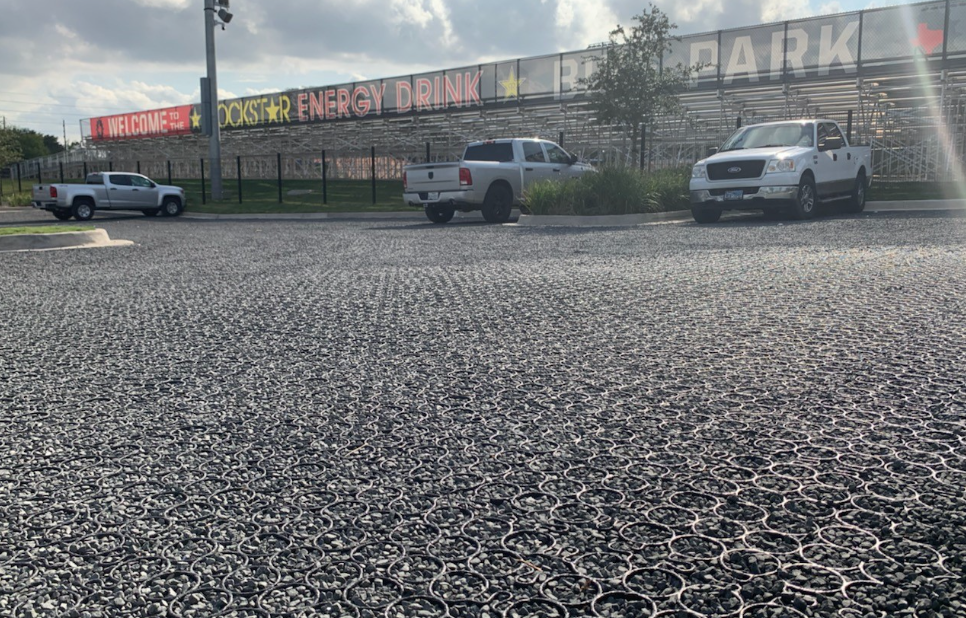
The best planning questions focus on site conditions, expected traffic, drainage, and long-term maintenance before the system is purchased or installed. The goal is to match the surface to the site instead of assuming every grid works the same way.
The planning review should cover:
- Confirm the expected traffic load, including vehicle weight, turning movement, and frequency of use.
- Match the grid product to residential, commercial, or heavier-use traffic conditions.
- Evaluate the soil so the base and drainage path fit the site conditions.
- Specify the correct base depth for the intended use.
- Use clean angular aggregate instead of rounded stone or material with fines.
- Plan and install geotextile separation.
- Include edge restraint where lateral movement, slopes, or turning pressure could affect the surface.
- Choose a grid system designed for the application rather than selecting only by price or appearance.
- Plan routine preventative maintenance to protect infiltration and prevent clogging.
This checklist applies to homeowners, contractors, property managers, and developers. The scale changes from a driveway to a commercial property, but the performance logic stays the same.
How TRUEGRID Helps Address Common Failure Points
TRUEGRID systems are built around the same failure points discussed above: load support, gravel stabilization, drainage, and long-term surface performance. The grid structure helps hold aggregate in place, while the compacted stone base supports vehicle loads and preserves space for stormwater movement.
Avoiding permeable grid paver problems still requires proper site preparation. An engineered grid cannot overcome a weak base, poor drainage path, contaminated aggregate, or a product mismatch for the traffic load. Performance comes from pairing an engineered grid design with load-matched product selection and installation practices that keep the aggregate base open and stable.
For homeowners, that may mean a driveway that manages runoff without the loose movement of ordinary gravel. For contractors and developers, it may mean selecting a system and base design that can support the intended traffic while preserving infiltration. Both uses depend on the same performance priorities: stable aggregate, managed stormwater, and predictable long-term surface behavior.
Choose TRUEGRID Permeable Paving Systems For Long-Term Performance
The best way to avoid surface failure is to match the paving system to the site, the soil, the water, and the traffic load before installation begins. TRUEGRID offers engineered permeable paver systems designed to stabilize aggregate, support drainage, and distribute loads when paired with the proper base and materials. Contact us today for solutions for residential driveways, commercial parking areas, and heavier-use sites.