The paving material you choose affects cost, drainage, upkeep, and how long any driveway, walkway, or patio surface stays smooth. Homeowners and small commercial owners comparing affordable paving options want something that fits their budget and still performs through years of weather and daily use.
How Budget-Friendly Paving Performs Over Time
Every paved area is shaped by load, drainage, and how well materials resist movement. Upfront cost is only part of the calculation. Pavement that does not manage water well often settles or cracks as seasons shift. When water moves across the surface without draining into the ground, weak areas appear beneath tire paths or along walkway edges.
Basic gravel and budget concrete options appeal to people seeking affordable paving because the installation feels straightforward, but these surfaces often wear or drift faster than expected. What looked inexpensive at first can become a recurring seasonal expense.
Where Low-Cost Materials Typically Fail
Traditional gravel, especially when spread over a thin or uneven base, tends to migrate under traffic.
- Wheel paths form quickly, and shallow depressions gather water.
- Homeowners rake displaced gravel back into position or add more material after heavy rain.
- When the underlying soil becomes saturated, low areas collapse into ruts that call for full regrading.
- On walkways or patios, gravel push-out becomes a regular chore.
These realities shape how affordable residential paving should be evaluated: a surface that needs repeated correction rarely stays low-cost over time.
Concrete and Asphalt Limitations
Concrete and asphalt are often viewed as the next tier above gravel in conversations about affordable paving, but both depend heavily on how well the base handles moisture.
- Concrete provides a rigid, even surface but can crack when soil shifts beneath it, leaving patch seams.
- Asphalt may be less costly upfront but requires sealing and can break apart when water infiltrates its base layer.
For homeowners comparing affordable driveway paving options, these rigid systems feel economical until early cracking or settlement appears. Once failures begin, patching, sealing, or replacement often exceeds what owners planned for at installation.
How Outdoor Living Surfaces Behave Under Real Conditions
Walkways and patios carry lighter loads, but they still rely on drainage and soil stability. Minor soil dips, edge movement, and surface pooling often affect traditional gravel and thin-base materials. Basic pavers offer an attractive option but rely on solid bedding and edge restraint to stay level and resist movement over time.
If installed over inadequate base or disturbed subgrade, pavers tilt or separate, requiring releveling. These issues influence how affordable paving should be considered for outdoor living areas because the real value comes from surfaces that stay even and predictable through seasonal shifts.
Why Permeable Grid Systems Lower Lifetime Costs
Permeable grid systems stabilize gravel and reduce water-related failures.
- The interlocking framework forms a structural grid that holds gravel in place so it does not shift under load.
- Water drains directly into the ground, reducing puddles, washouts, and pressure points that weaken conventional materials.
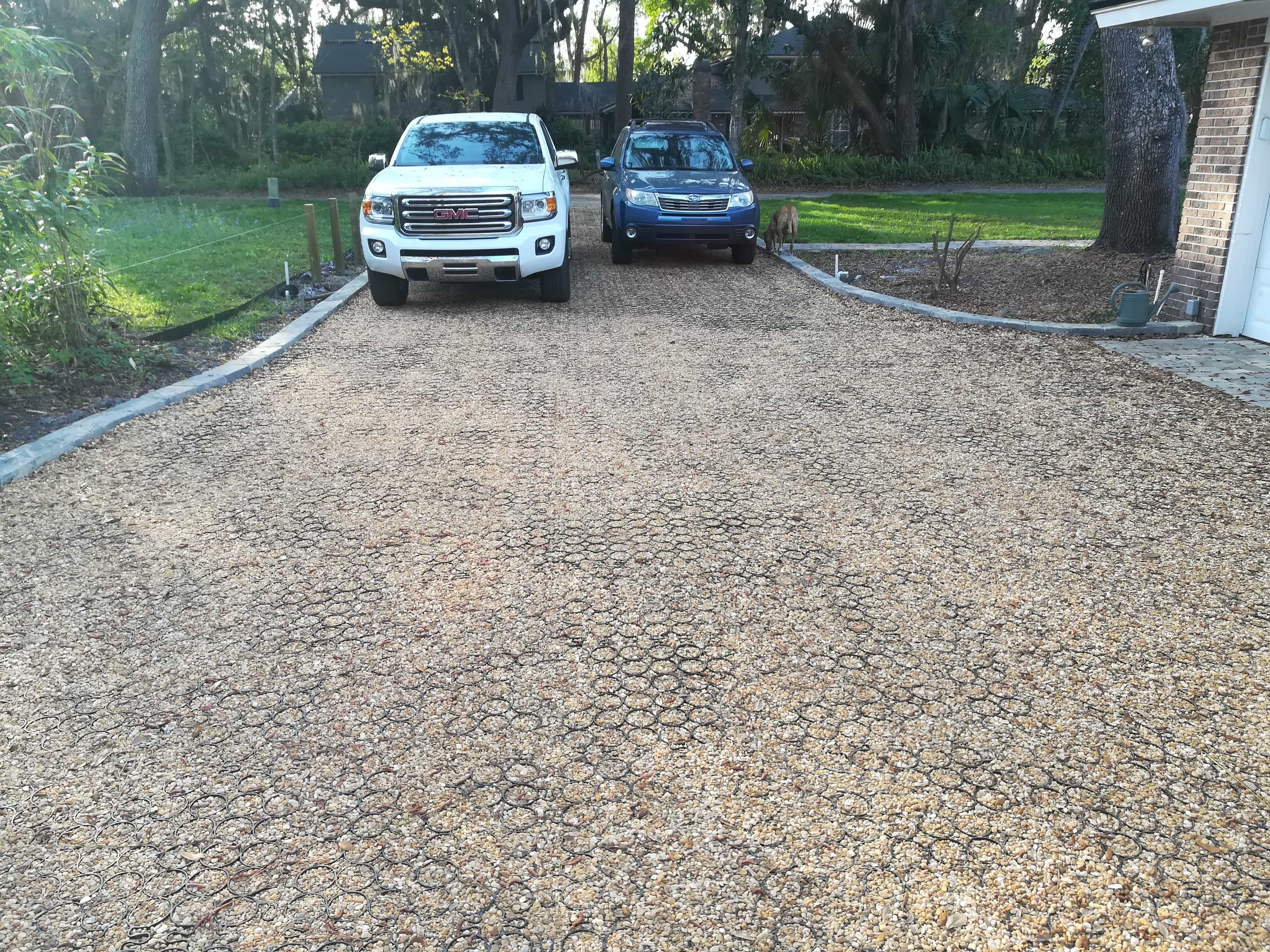
- This system supports cars, small trucks, and daily foot traffic while keeping the surface intact.
People comparing affordable driveway paving often weigh gravel against grid pavement, but a stabilized permeable grid delivers the durability of engineered pavement with the natural look and competitive pricing.
Performance Advantages for Walkways and Patios
The hidden grid framework supports the filled gravel surface, preserving clean lines even after heavy rain.
- Walkways stay smooth because gravel remains contained instead of drifting into adjacent landscaping.
- In areas with seasonal temperature swings, the grid spreads minor subgrade movement across the surface so no single area shows distortion.
This blend of durability, appearance, and predictable performance makes permeable grids a strong fit for homeowners seeking dependable value at a manageable price.
Commercial Applications for Budget-Conscious Projects
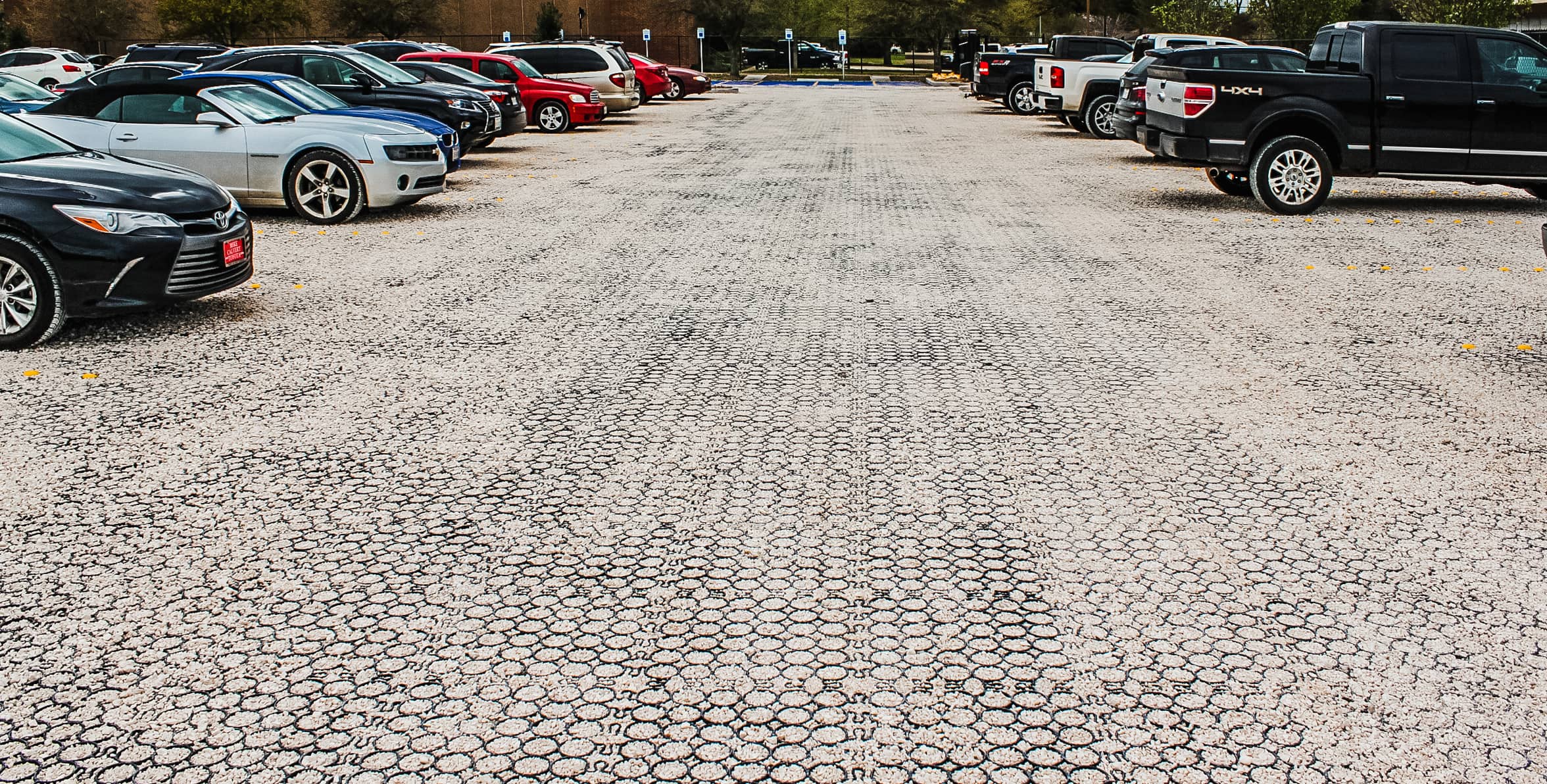
Commercial properties evaluating budget-conscious paving options face similar challenges. Parking pads, overflow parking, equipment lanes, and maintenance paths all deteriorate when surfaces lack stability. Traditional gravel requires routine regrading, while asphalt introduces sealing and crack-repair cycles.
Permeable grid systems reduce these cycles by anchoring the surface and directing water into the sub-soils, mimicking mother nature. Because they drain rather than shed water, edges stay intact and the base remains protected from erosion. This consistency lowers long-term costs and keeps high-use areas functional without constant attention.
Installation and Maintenance Factors That Influence Cost
A surface that requires less maintenance remains more affordable over the long term. For many homeowners comparing affordable paving choices, the appeal lies in installing a surface once and maintaining it lightly over the years.
Grid-supported gravel achieves this by keeping the material locked in place and resisting rutting. Gravel stays in the cells under turning tires or concentrated foot traffic, and water flows directly through the open structure. These characteristics eliminate many of the forces that typically cause surface degradation.
Labor and Time Savings During Installation
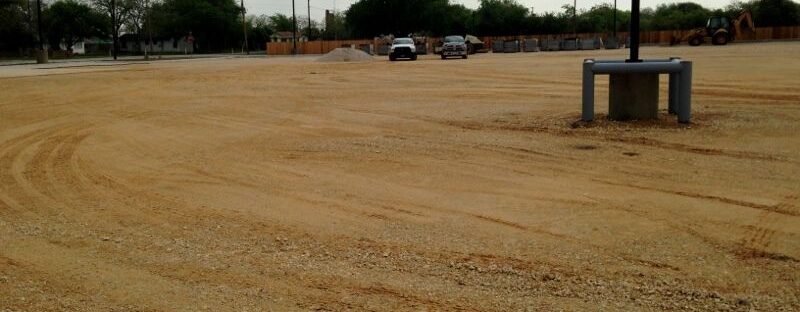
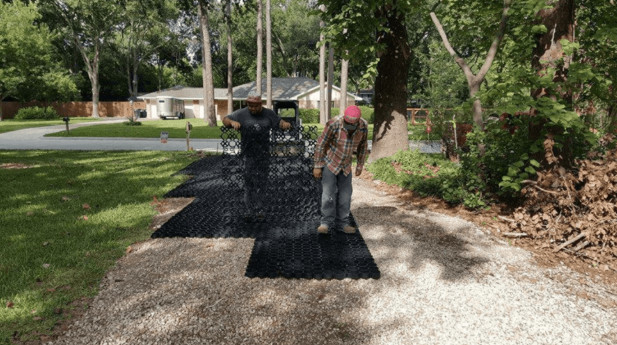
Permeable grids rarely require heavy machinery in residential settings, and panels are lightweight enough to move and position by hand.
- After preparing the sub-base, installers connect the grids quickly and cover large areas much faster than traditional pavers or poured concrete.
- Gravel infill completes the surface without complicated placing or finishing steps.
- This streamlined sequence reduces labor time and can lower installation costs relative to rigid alternatives.
For homeowners balancing cost, durability, and appearance, this grid system delivers long-term performance without adding maintenance demands.
Design Flexibility and Environmental Performance
Design and environmental performance often determine whether a paving system fits both the site and the owner’s goals.
Layout and Aesthetic Options With Gravel-Filled Grids
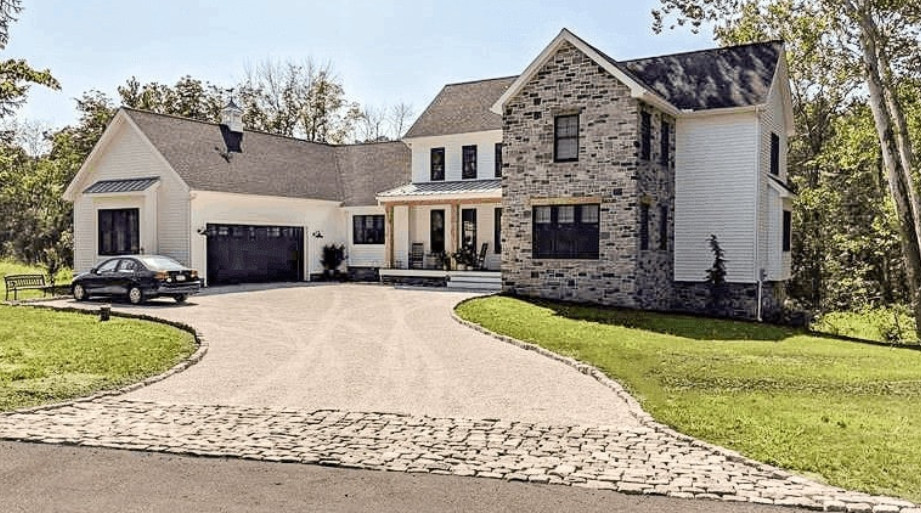
Aesthetic preferences influence material choices for patios, walkways, and small gathering areas. Gravel infill offers a range of color tones that coordinate with landscaping, siding, or edging. Because the grid sits beneath the filled surface, the finished look appears natural while performing like a stable pavement.
Designers appreciate the ability to form curves, borders, and patterns using different gravel blends. These features support affordable residential paving that delivers functional performance alongside the visual style homeowners want.
How Permeable Grids Handle Rain and Runoff
Permeable grids contribute to environmental performance by reducing runoff and promoting infiltration. When stormwater drains into the ground, homeowners help limit localized flooding and reduce strain on municipal systems.
In areas where permeable surfaces are encouraged or incentivized, choosing a grid-supported system can support compliance while still providing a reliable, attractive surface. These environmental factors help shape how owners assess long-term paving value across different material types.
Long-Term Behavior and What It Means for Real Costs
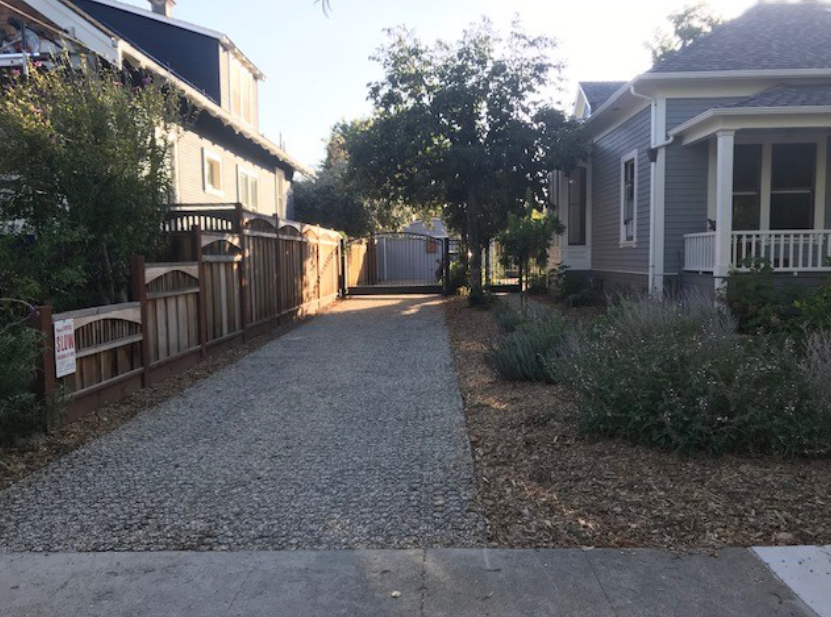
How a paving system behaves year after year ultimately determines what it really costs to own.
How Grids Perform Over Time
Grids maintain structure and reduce major repair cycles. Walkways hold their grade, patios avoid low spots, and driveways resist rutting even under seasonal stresses. This consistency reduces material replacement and cuts labor hours because the surface rarely needs regrading or releveling. These outcomes influence how both homeowners and commercial operators define affordable paving as part of long-term planning.
Comparing Surfaces for Long-Term Value
When choosing surface materials, a practical approach is to evaluate the forces each area must handle and how those materials respond to local conditions.
- Driveways must support vehicles without scattering gravel.
- Patios should stay level and visually clean.
- Walkways need to remain stable and comfortable under foot traffic.
Permeable grid systems meet these expectations while keeping long-term costs favorable. For people comparing traditional and modern materials, stabilized gravel offers an attainable path to durable outdoor surfaces.
Choose TRUEGRID for Long-Lasting, Low-Maintenance Pavers
TRUEGRID permeable pavers provide stable, attractive gravel surfaces designed to handle everyday loads while reducing long-term maintenance. Each system drains naturally, resists shifting, and supports clean, consistent performance across driveways, walkways, and patios. Contact us today for more information.