Every patio surface has to balance comfort, cost, and appearance. A pea-gravel design offers natural texture and open drainage at a fraction of the price of solid paving. Understanding pea gravel patio pros and cons helps homeowners decide whether this loose-fill surface fits their property and how much maintenance it will require over time.
Why Homeowners Choose Pea Gravel Patios
Pea-gravel patios attract homeowners for their natural look, low cost, and simple installation. The details below outline what makes the material appealing before weighing pea gravel patio pros and cons more broadly.
Natural Look and Easy Fit
Pea gravel has remained popular for decades because it looks natural and installs quickly. Rounded stones about ⅛ to ⅜ inch in diameter create a soft, organic surface that conforms to irregular layouts and requires no curing time. The muted color range, from light tan to charcoal, complements nearly any exterior palette.
Affordable to Build
Affordability is one of the strongest advantages. Material prices typically fall far below pavers, concrete, or natural flagstone, especially for large footprints. A quick weekend build with landscape fabric, edging, and a few tons of aggregate can produce a finished surface for a fraction of the cost of hard paving.
Excellent Drainage
Drainage stays open. Unlike impermeable slabs, pea gravel allows rainwater to pass directly through the surface and into the soil. That permeability helps prevent puddles, runoff toward foundations, and erosion during heavy storms.
Ideal for regions with strict drainage codes or limited grading options; it also reduces pooling around footings or retaining walls.
Light Maintenance
Maintenance starts light. Occasional raking and light top-offs every couple of years keep the surface level. Because the material never cracks, there’s no need for patching when minor settling occurs.
Common Drawbacks of Pea Gravel Patios
Every loose-fill patio material has trade-offs, and pea gravel is no exception. Recognizing its common issues helps keep the surface stable year after year.
Stone Movement and Edge Loss
Loose aggregate shifts underfoot. That same flexibility many people enjoy also causes the edges to creep outward as foot traffic and furniture legs push stones beyond the border. Without containment, the surface can lose definition and scatter gravel into planting beds or lawns.
Tip: Install metal or stone edging early. Raking once a month keeps the boundary crisp.
Landscape Fabric Use
Landscape fabric slows weed growth and can have other benefits.Geotextile landscape fabrics can add loading strength and can separate unlike materials from cross-contamination, think preventing soils from reaching your clean gravel area. Fabrics do have their limitation and maintenance should be considered. Prevention matters more than treatment: remove debris before it breaks down, and use a leaf blower instead of constant raking.
Uneven Footing and Furniture Stability
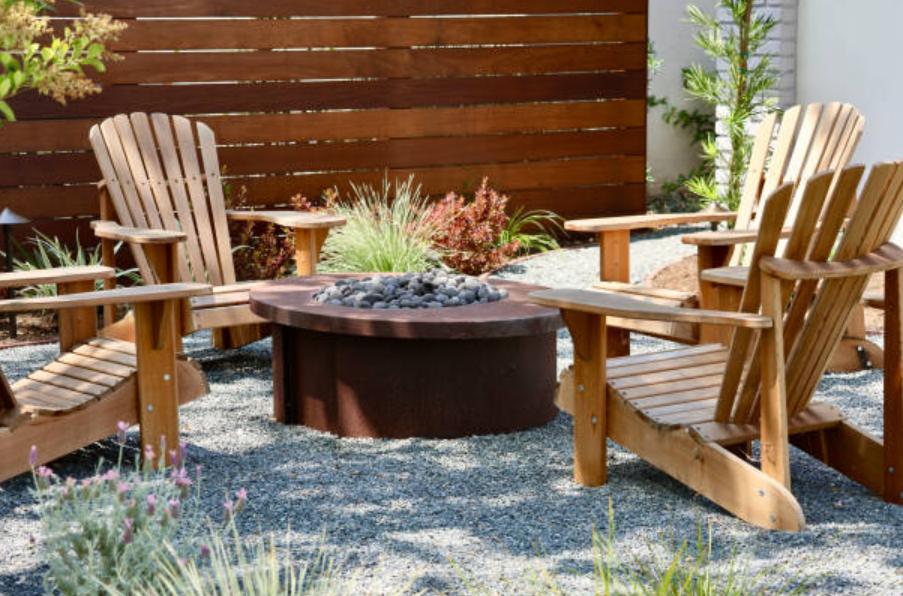
The rolling surface feels comfortable barefoot but unstable under tables or chairs. Lightweight furniture can rock or sink slightly. On dining patios or walkways, that instability is noticeable. Instead of covering the whole patio with pavers, create a few flat pads or insets where furniture sits; the rest can stay loose for drainage and texture.
Climate and Weather Effects
Freeze–thaw cycles expand and contract the base, pushing stones out of alignment. Heavy rain washes lighter gravel to low points, and strong winds can move the top layer in dry climates. Expect light reshaping after winter or major storms, and consider a stabilizing grid if your site experiences frequent runoff.
Comparing Pea Gravel to Other Gravel Patio Options

Different gravel materials share similar uses but behave differently under weight and weather. The comparisons below outline how pea gravel stacks up against other common aggregates when assessing overall gravel patio pros and cons.
Crushed Stone
Crushed stone locks together more tightly because its angular particles interlock, giving greater stability for furniture but feeling harsher under bare feet. It provides firm footing for dining or heavy furniture.
Decomposed Granite
Decomposed granite compacts into a semi-solid layer that resists ruts and weeds, but it loses permeability over time and can track dust onto adjacent flooring. Pea gravel, by contrast, keeps pore space open so water drains freely.
It offers a more solid walking surface but requires occasional regrading to restore porosity and prevent dust.
Cost and Maintenance Comparison
When comparing surface types, revisiting pea gravel patio pros and cons helps highlight how particle size and compaction affect stability. Cost remains low across all aggregates, but maintenance drives lifetime expense.
- Pea gravel: periodic raking and light top-offs.
- Crushed stone or granite: heavier regrading after storms or erosion.
Choosing between them depends on whether comfort or firmness matters more.
Preparing the Base and Edge Containment
Proper base preparation determines how long a pea-gravel patio will last. Each layer contributes to strength, drainage, and surface stability.
Excavation and Sub-Base
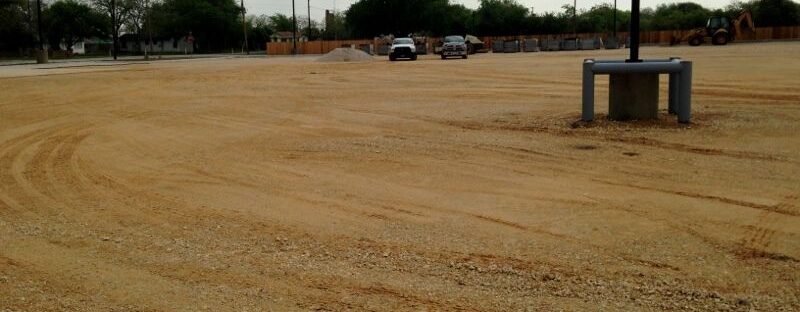
A stable pea-gravel patio starts with excavation to about four inches. The sub-base should use compacted crushed stone, which supports weight and promotes drainage. A layer of geotextile fabric separates this base from the pea gravel above, preventing mixing that leads to settling.
Compact each lift of stone to build strength while keeping the base permeable. A well-graded aggregate provides both load support and consistent infiltration.
Edge Definition and Retention
Edging defines boundaries and prevents loss. Steel or aluminum edging forms clean borders, while concrete or brick bands add weight for retention. In frost-prone regions, flexible edging materials outlast rigid mortared lines. Metal edging sharpens modern designs; masonry edges blend naturally with traditional landscapes. The goal is to contain movement without disrupting drainage.
Slope and Drainage Control
Slope still matters. Even with a permeable surface, the base should hold roughly ¼ inch per foot of fall away from structures to guide subsurface water. Maintain a consistent grade from walls to lawn, and check slope again after compaction before spreading gravel.
Field note: A small laser level or string line saves time here, getting the grade right now prevents ponding later.
Stabilizing Pea Gravel with Permeable Pavers
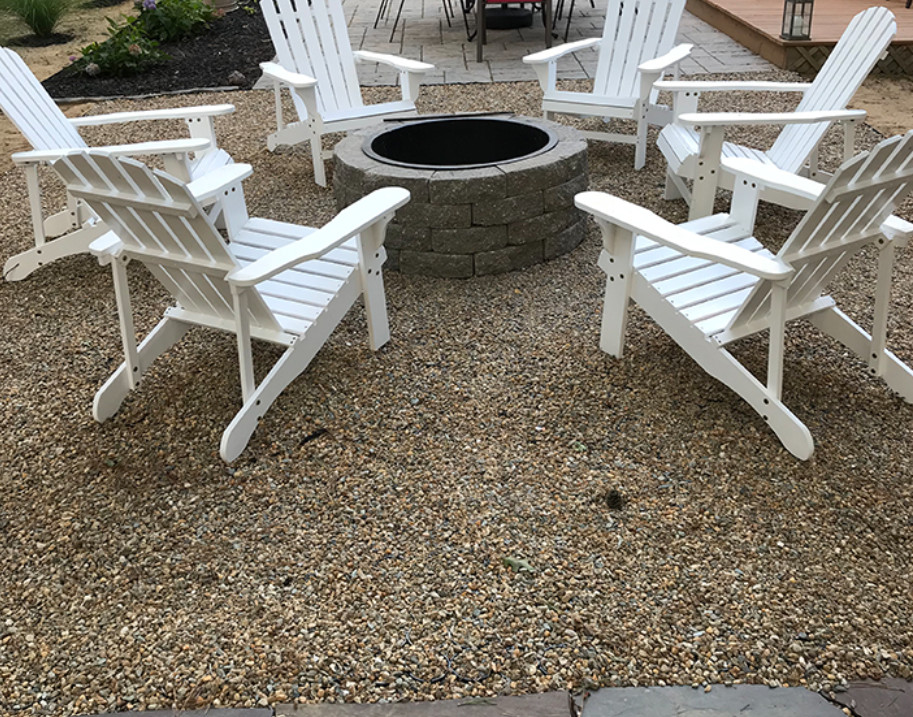
For homeowners ready to limit those seasonal fixes, stabilization provides the next level of control. The following details explain how stabilization grids address the common drawbacks outlined earlier.
Why Stabilization Matters
After accounting for drainage, maintenance, and cost, gravel patio pros and cons point clearly to the value of stabilizing grids. The main complaint with any loose aggregate is movement, and that’s exactly what a grid prevents.
On-site note: Most shifting and ruts disappear once the stones are contained within a rigid frame.
How the Grid Works
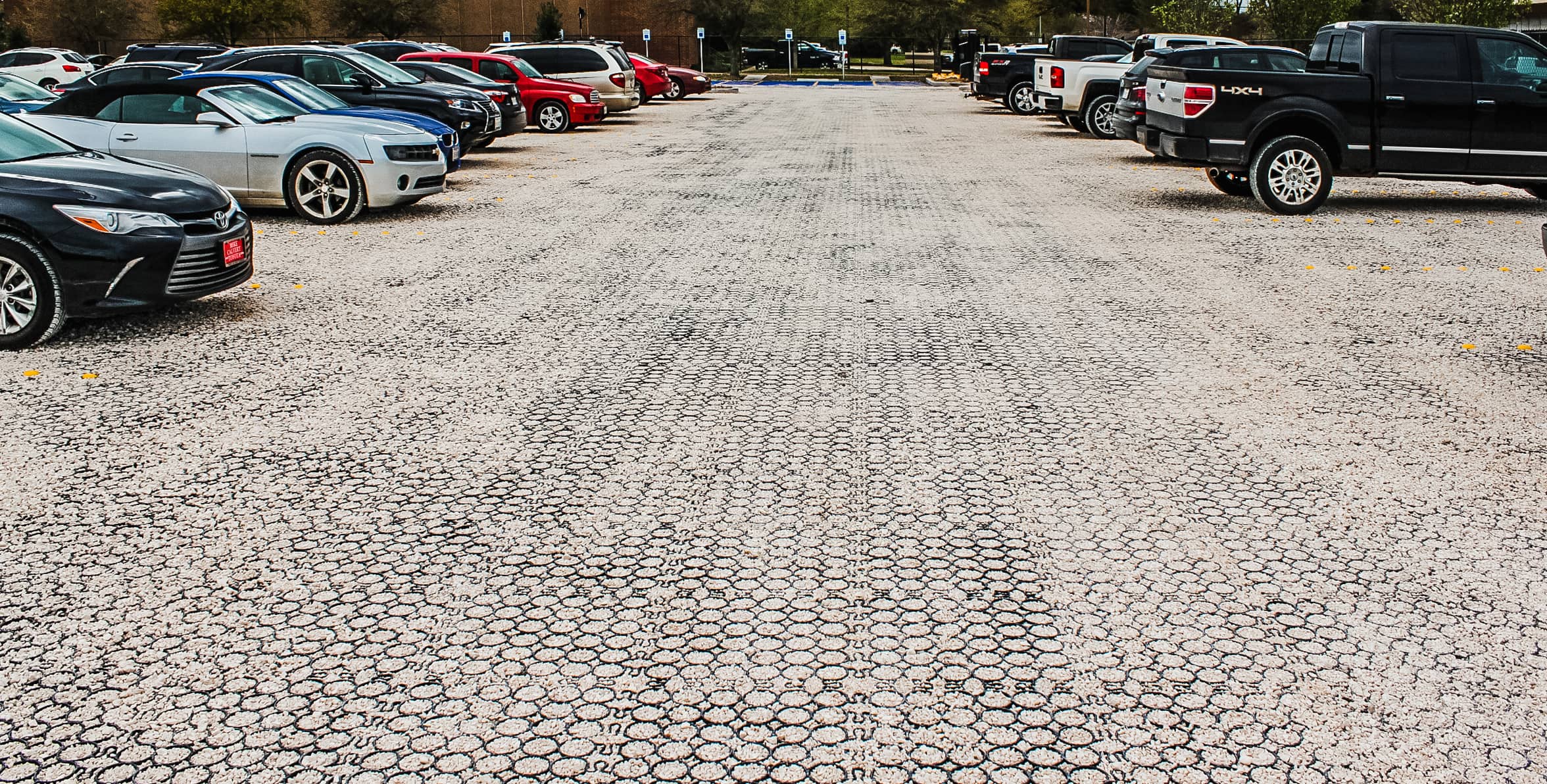
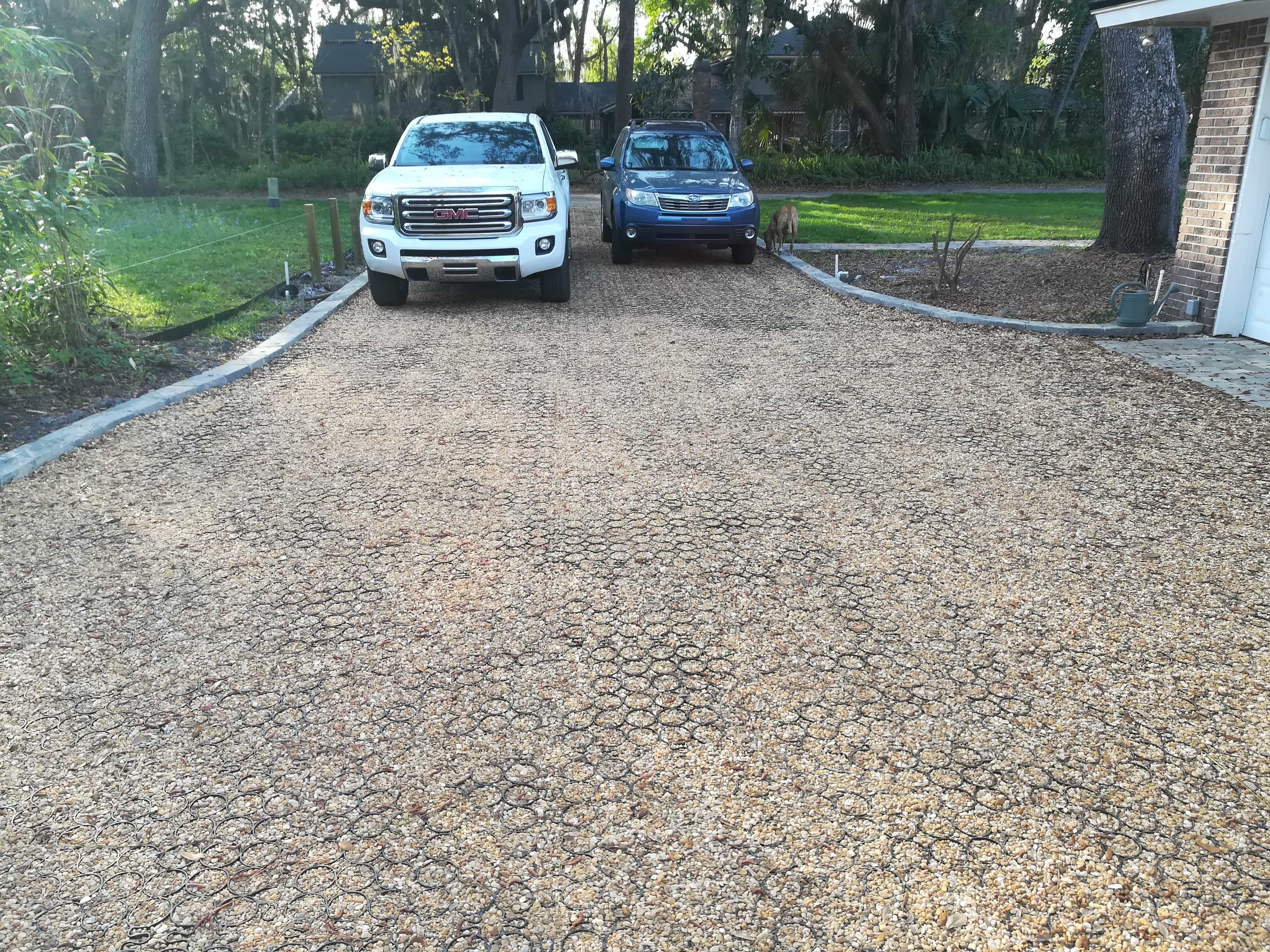
Open-cell systems such as TRUEGRID permeable pavers confine the stones inside a honeycomb structure that spreads weight evenly across the surface. Each cell grips the gravel to stop edge loss and rutting while still allowing full infiltration through to the base. The lateral load transfer keeps pressure from concentrating under chairs or footpaths.
Surface Stability and Weed Control
Because the grid spreads weight rather than letting it sink vertically, furniture legs and foot traffic no longer create depressions. The surface feels solid, similar to compacted stone, but retains the natural look of loose gravel. Less movement means fewer gaps for seeds or sunlight, which sharply reduces weed growth over time.
Installation Process
Installation follows the same general pattern as a standard patio:
- Excavate the area.
- Compact the sub-base.
- Place a landscape fabric, if desired
- Place a base layer of 2-4 inches, if the patio is on soft soils or for commercial use.
- Set the interlocking panels.
- Fill each cell with clean, washed, angular gravel. Note, the more angular or sharp the pea gravel, the better. TRUEGRID recommends a chipped rock vs heavily rounded pea gravel.
- Broom or rake the gravel level to the surface of the grid.
When installed correctly, the result is a low-maintenance surface that stays even through seasonal weather.
For the longest lasting, least maintenance, an angular, chipped rock is recommended for infill in TRUEGRID. However, TRUEGRID will improve and benefit a patio with almost any infill of your choice: decomposed granite, pea gravel, crushed stone, recycled glass cullet, or even sand. The grid works by containing the inifll and minimizing fill from migrating, eroding, and rutting,
Drainage and Environmental Performance
The continuous open area of the grid keeps infiltration rates high and prevents sediment from migrating into the base. Water filters directly through the gravel, while the cell walls trap fine material that would otherwise clog the system.
In practice, this means cleaner runoff, longer service life, and far less regrading after storms.
Is a Pea Gravel Patio Right for You?
Every site brings unique conditions, but weighing pea gravel patio pros and cons clarifies where it excels.
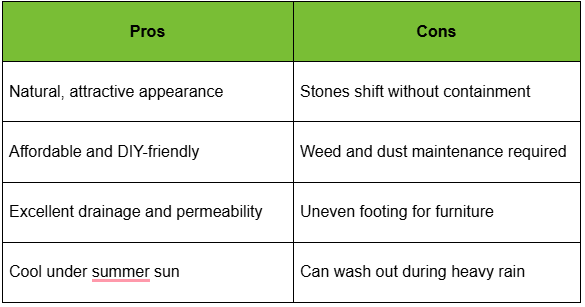
When installed with proper base preparation and modern stabilization, pea gravel patio pros and cons balance toward performance. Without stabilization, it remains beautiful but labor-intensive. The choice depends on how much time and maintenance homeowners want to invest after the initial build.
Enhance Patio Drainage and Durability with TRUEGRID Permeable Pavers
TRUEGRID systems combine the look of natural gravel with engineered stability. Each panel locks aggregate into place, supporting foot traffic, furniture, and even light vehicles while keeping water moving through every cell. The grid design maintains permeability and keeps upkeep minimal. Contact us today for more information.