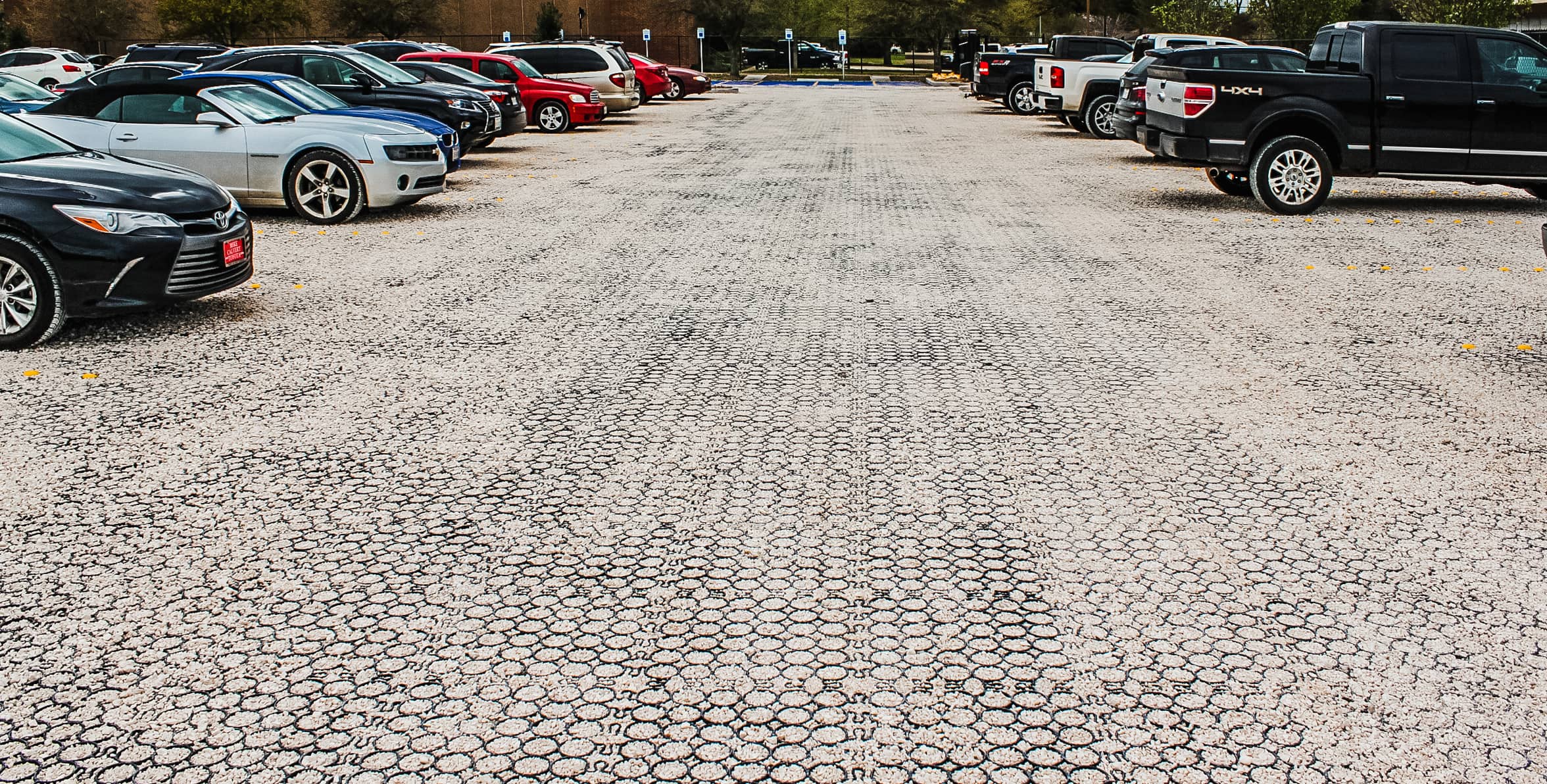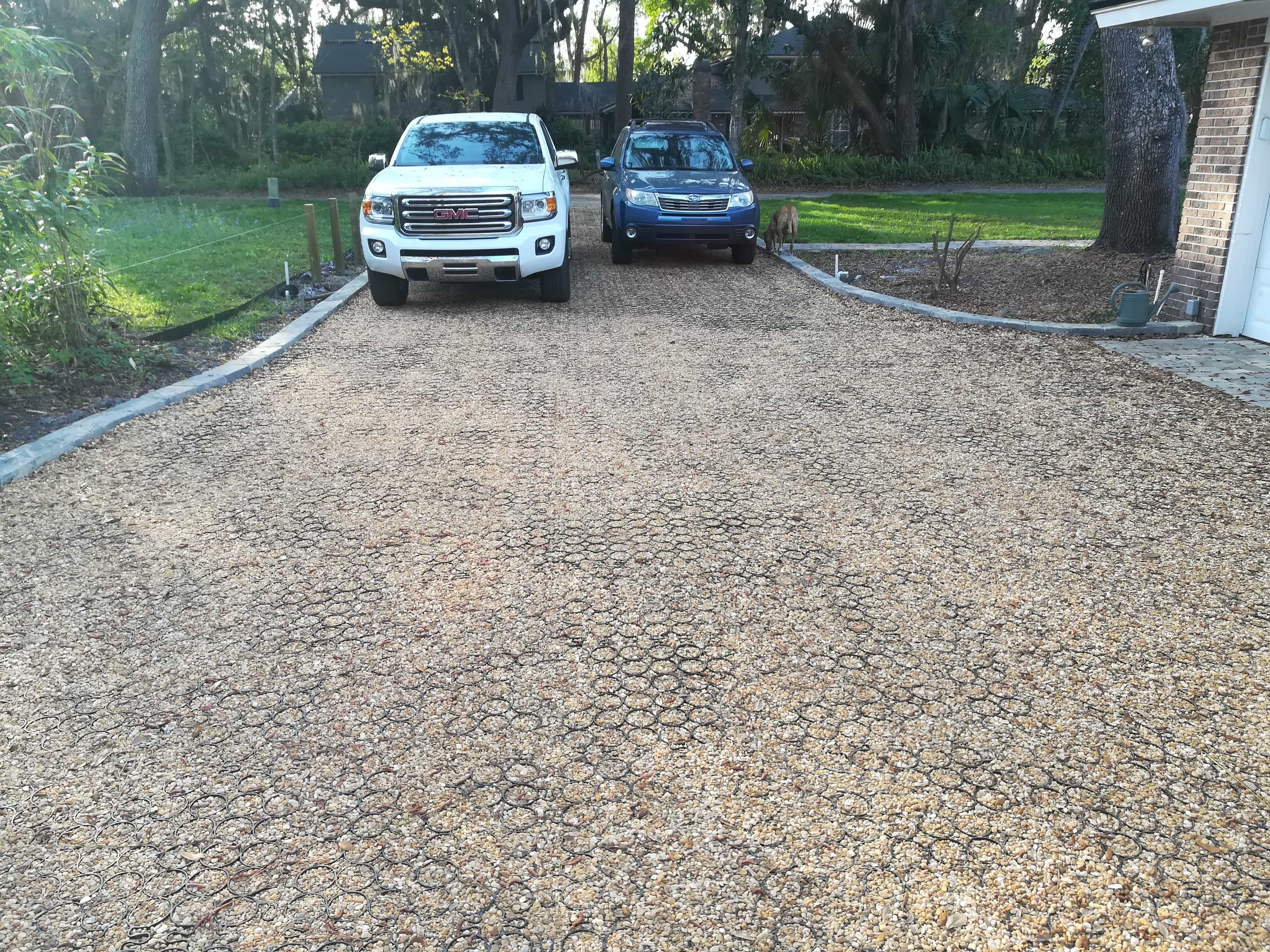
A residential driveway serves both a structural and aesthetic role. It must perform under daily loads and contribute to the exterior look and value of the home. The right residential driveway paving solution balances strength, maintenance, and drainage efficiency.
Choosing the Right Material for Residential Driveways
Every driveway begins with a critical material decision. That decision affects installation time, structural durability, drainage behavior, and cost of ownership.
Concrete and asphalt are familiar options, but they bring tradeoffs. Concrete is prone to cracking under freeze-thaw cycles, and asphalt may soften in extreme heat. Both are impermeable and contribute to stormwater runoff.
Newer materials like permeable grid pavers offer real drainage performance. They reduce standing water and protect the sub-base from erosion. Materials should be chosen based on climate, site slope, and usage expectations.
Cost and Lifespan Comparison by Material
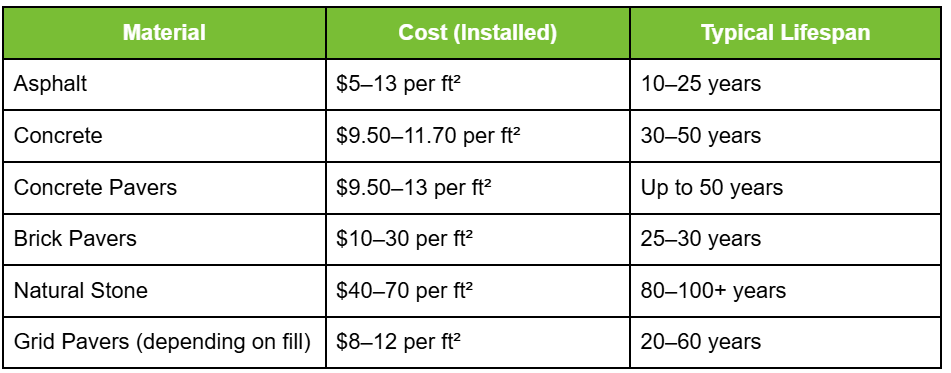
Recycled plastic grid pavers may cost more upfront than poured concrete, but they eliminate sealing, reduce upkeep, and handle runoff better—lowering long-term cost and effort.
Common Paver Sizes and Impact
Concrete and brick pavers typically measure 4×8 inches. Grid paver systems come in larger sizes including 24” x 24” pavers. Variations in paver sizes can be achieved by cutting pavers.
How Driveway Site Conditions Affect Material Selection
Driveway performance depends on more than surface durability. Sub-base conditions, soil type, drainage flow, and slope all influence material choice and installation success.
Load and Traffic Expectations
Daily use from parked vehicles, occasional equipment, and deliveries places steady pressure on the paved surface. Surfaces must carry this load without cracking, sagging, or shifting. In some cases, materials must be rated for H-20 loads to accommodate heavy vehicles.
Soil Stability and Drainage
Soft or expansive soils may require deeper base layers and reinforced edging. Sites with poor drainage need permeable surfaces to control runoff and protect adjacent landscaping or structures. Erosion at the edges often indicates poor water management below the surface.
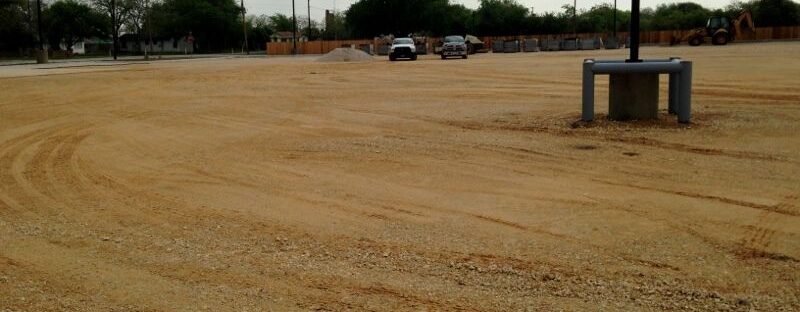
Clay-heavy soils with low permeability require an underdrain system below the base layer. Most installations require at least 6 to 8 inches of compacted crushed stone beneath the surface material to manage structural and drainage loads.
Climate and Freeze-Thaw Behavior
In cold climates, snow removal makes freeze-thaw resistance a necessary surface characteristic. In humid or hot regions, UV exposure and thermal expansion can cause softening or deformation in untreated surfaces. Surface choice must align with the environmental conditions year-round. Plastic grid pavers eliminate these problems with expandable joints and the ability to flex.
DIY vs Professional Installation
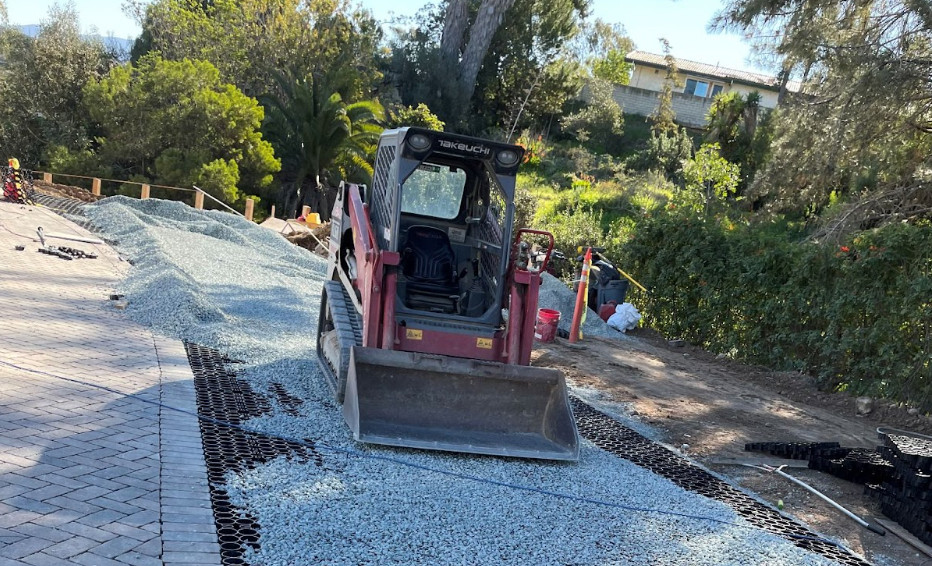
While some materials like gravel or concrete blocks may be manageable for an experienced DIYer, most residential driveway paving projects require excavation, compaction, and drainage planning.
DIY installations reduce labor costs but increase project timelines and may compromise long-term performance if not executed precisely. Concrete and asphalt require specialized tools and crew coordination. Plastic grid pavers offer the easiest install path with hand tools and clear locking systems, reducing time and equipment needs.
Installation Timing and Project Planning
Driveway timing affects both cost and durability. Every installation has an optimal weather window, equipment requirement, and cure time to consider.
Seasonal Scheduling
Spring and fall often offer the best mix of temperature and moisture for driveway construction. Summer heat may accelerate curing, but extreme conditions complicate compaction and alignment. Winter installation often risks failure due to freezing subgrade or insufficient bonding.
Equipment and Labor Availability
Systems that avoid heavy equipment or long cure times can reduce scheduling complexity. Materials that install with basic tools or modular formats streamline both DIY and contractor builds.
Surface Performance and Maintenance Requirements
Driveway materials vary in real-world durability. Load tolerance, drainage, surface wear, and repair ease all impact cost and performance. Routine upkeep plays a major role in extending the life of any residential driveway paving system, especially when exposed to seasonal moisture and heavy daily use.
Common Failure Signs and Causes
Cracks, rutting, standing water, and edge separation all indicate material failure. These issues are often caused by insufficient base prep or poor drainage handling—not just surface wear. The ability to flex and move with external forces keeps plastic grid pavers virtually immune from these problems.
Maintenance Demands by Material Type
Asphalt requires resealing every few years. Concrete may need patching and joint maintenance. Pavers can be spot-repaired but may shift if edges aren’t properly restrained. Permeable systems need debris and sediment to be kept from the surface. Power sweeping or vacuum removal restores flow and function.
Grid Pavers as a Long-Term Solution
Plastic cellular grid paver systems use recycled materials to form lightweight, interlocking panels. These systems combine structure, built-in drainage, and long-term surface durability—without cracking or runoff. For projects where runoff control and low maintenance are top priorities, grid pavers offer a resilient and environmentally smart residential driveway paving solution.
Drainage, Durability, and Structural Behavior
Grid pavers stay dimensionally stable across temperature swings, can flex with dynamic loads sub-soil moisture levels, and resist edge deformation under load. Modular panels lock in place and distribute pressure evenly—preventing shifting or rutting over time. Most systems handle H-20 loads for residential use and commercial use.
Water flows through gaps or open-grid sections into the engineered base layer. This controls runoff, eliminates pooling, and extends pavement life.
Ease of Placement and Panel Repair
Recycled plastic grid panels are light enough to install by hand and lock together without additional tools. Installation requires no curing, sealing, or surfacing. If damage occurs, individual panels can be removed and replaced without disturbing the surrounding driveway.
Final Material Considerations Before Purchase
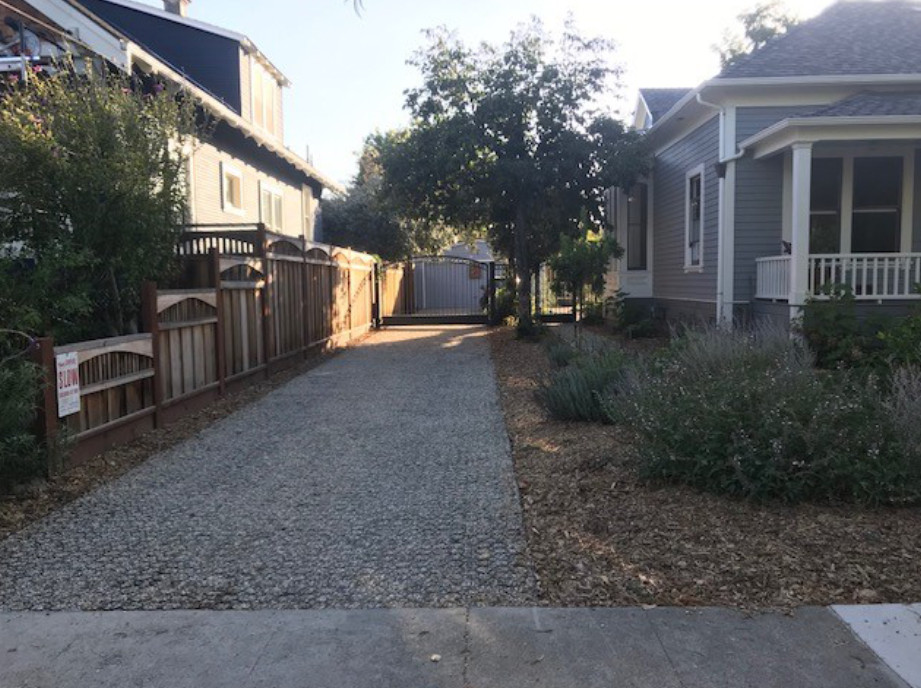
Before selecting a system, evaluate how runoff, traffic load, and base conditions affect long-term performance.
Code Readiness and Permit Impacts
Many cities now limit how much runoff a driveway can discharge. Projects that meet these limits upfront avoid detention costs and permit delays. Materials with built-in permeability reduce detention needs and simplify permit approval in regulated drainage zones. Whether planning new construction or replacing an older surface, choosing the right residential driveway paving system affects permitting, surface lifespan, and future maintenance needs.
Permeable Grid Paver System Advantages
Grid paver systems are engineered for long-term service life, especially where traffic and runoff converge in small residential sites. These systems lower both water-related maintenance and overall pavement stress. TRUEGRID’s permeable pavers are built for exactly these applications—combining H-20-rated load capacity with proven drainage performance and minimal surface maintenance.
TRUEGRID PRO LITE for Everyday Driveways
TRUEGRID PRO LITE is ideal for residential driveways, offering a lightweight panel system made from 100% recycled plastic that resists shifting and ruts under everyday vehicle traffic. It installs easily over a stabilized base and supports grass or gravel infill for a clean, low-maintenance finish.
TRUEGRID ROOT for Grass-Surface Driveways
TRUEGRID ROOT provides a driveable grass surface without excavation, using a patented cell and grid design to lock directly into the ground and stabilize turf under vehicle load. It’s a practical choice for overflow parking or green-access driveways where minimal site disturbance is essential. ROOT can often be installed without a permit (check your local codes) since there is typically no need for excavation.
Long-Term Performance Outlook
From structural stability to site drainage, TRUEGRID systems are engineered for driveway performance that holds up year after year.
Design a Low-Maintenance Driveway with TRUEGRID Permeable Pavers
TRUEGRID’s permeable paver systems handle daily residential traffic and eliminate surface runoff with a durable, zero-maintenance surface. Our solutions install fast, resist rutting, and help reduce site drainage requirements. Contact us today for more information.