A gravel driveway seems affordable until shifting rocks, muddy patches, and constant regrading turn into yearly chores. Many homeowners eventually start looking for a less expensive alternative to gravel driveway surfaces because they want something that stays put and drains well without raising project costs. With several economical materials available, it’s possible to eliminate gravel problems without moving into expensive paving.
Why Gravel Driveways Create Long-Term Maintenance Problems
Gravel behaves differently depending on soil and weather.
- Loose stone spreads under tire pressure, and running water displaces material downhill or exposes soft spots after storms.
- Clay-rich soils drain slowly, weakening the base and making gravel easier to move.
- Freeze-thaw cycles widen gaps in cold climates, and even mild regions see uneven surfaces form over time.
Gravel is inexpensive upfront, but the extra loads, grading, and labor add up over time. Many homeowners eventually want something that drains better, stays in place, and does not require yearly repairs or replacement.
Less Expensive Alternatives To Gravel Driveway Surfaces
Several materials offer stability and better drainage while keeping overall project costs manageable. Each option fits different site conditions, and all help homeowners compare common driveway alternatives while avoiding most of the issues that push people to search for a cheap alternative to gravel driveway installations.
Permeable Grid Systems
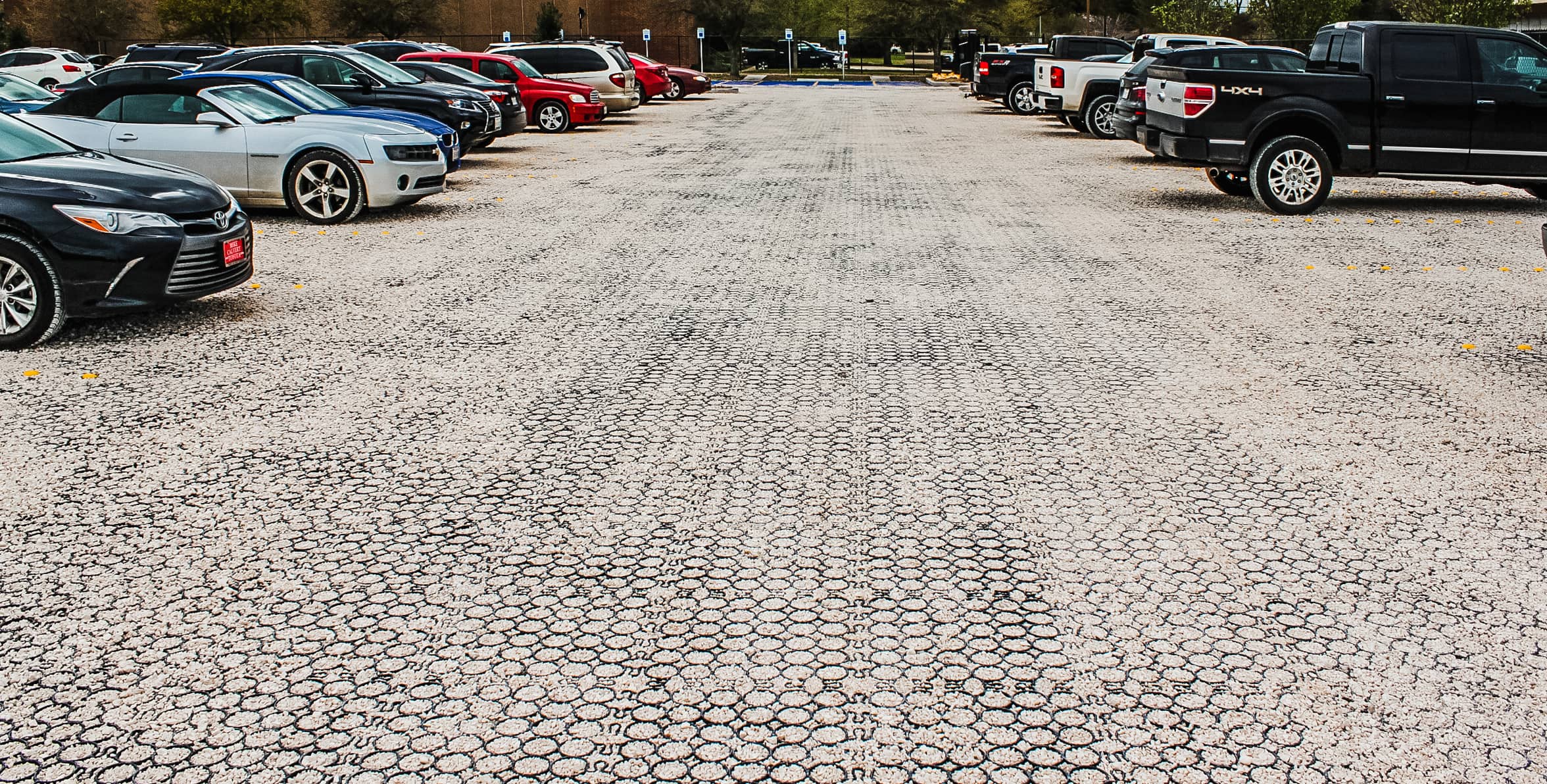
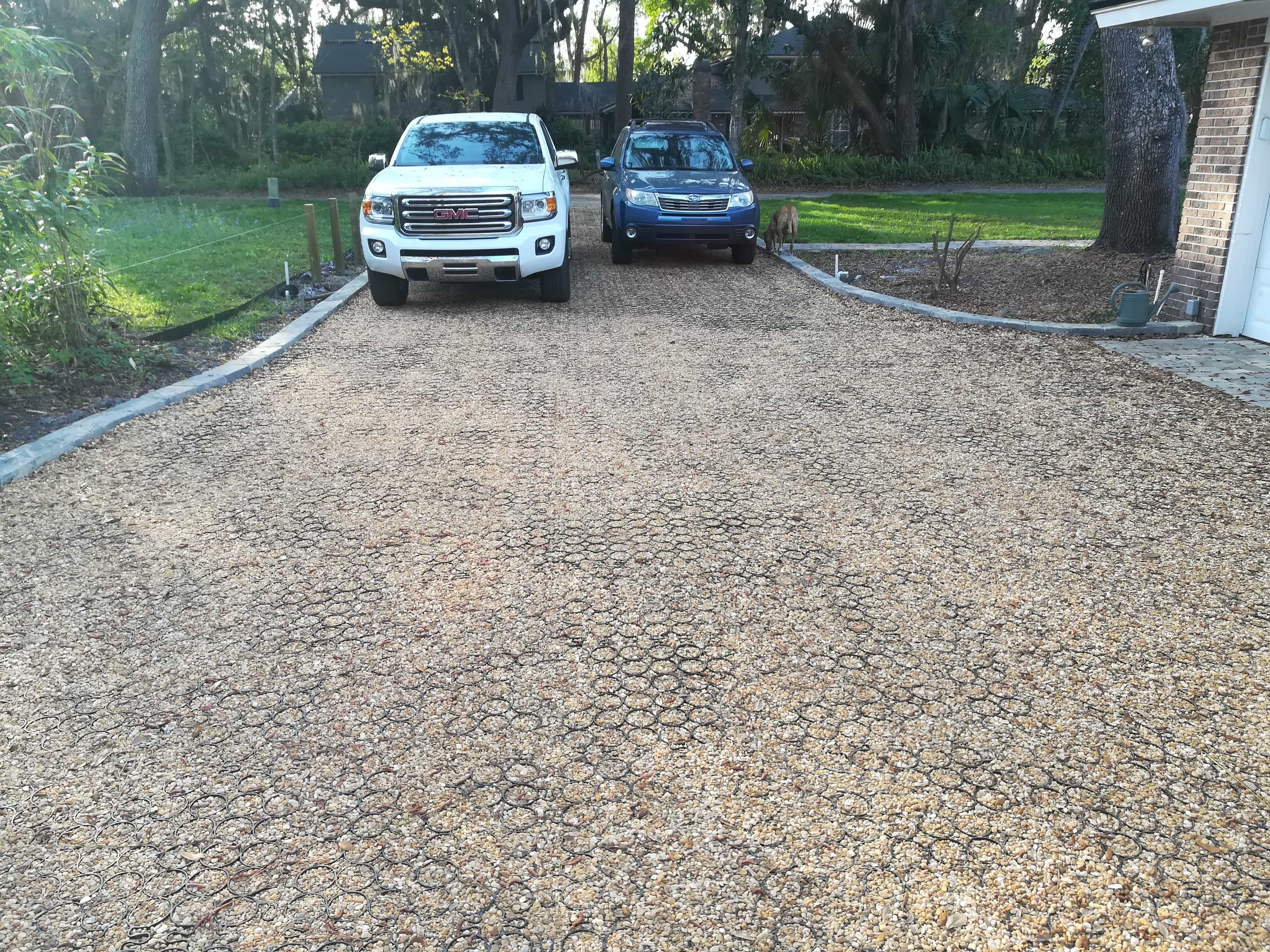
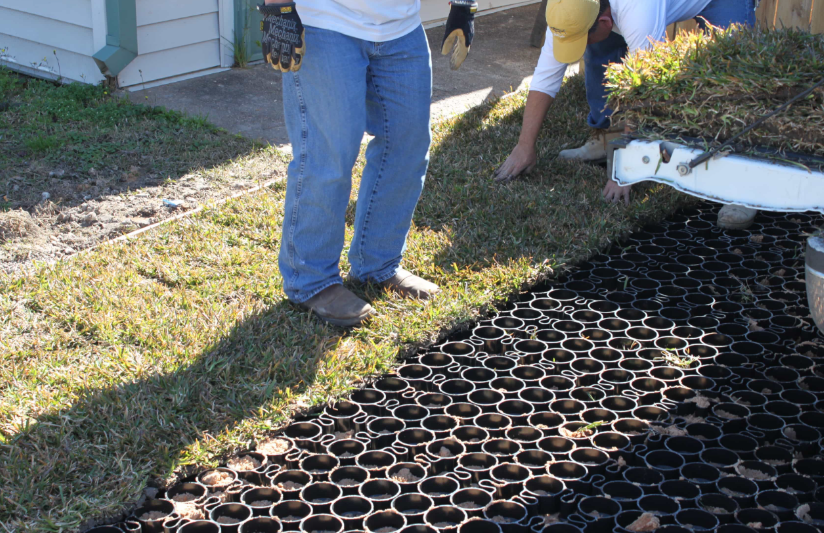
A permeable grid system creates a gravel surface that stays in place. The grid’s cells lock rock where it belongs so it doesn’t push outward or wash away in storms. Weight spreads across the base, helping the driveway hold its shape even with daily traffic.
Open cells drain water quickly into the ground and help prevent clay-heavy or wet soils from softening. This improves long-term stability and minimizes edge loss. Because the system is installed over a compacted base with panels and fill gravel, it performs consistently across seasons with only occasional top-offs. For many homeowners comparing driveway alternatives to gravel, stabilized gravel delivers reliable performance without increasing upfront cost.
These systems often become a preferred, less-costly alternative to gravel driveway option for people who want a familiar look without the maintenance burden.
Recycled Concrete Aggregate (RCA)
Recycled concrete aggregate offers a sturdier feel than loose gravel while remaining inexpensive. The angular pieces interlock well, forming a surface that resists shifting under normal traffic. RCA is widely available and commonly cheaper than standard gravel, making it a strong option for long or wide driveways.
It drains reasonably well when placed over a sloped or well-prepared base. Minor depressions may form over time, but topping them is easy and inexpensive. For homeowners wanting an alternative to gravel driveway installations without jumping into costly paving, RCA provides solid value.
Compacted Crushed Stone Blends
Crushed stone blends include a mix of fines and larger pieces that bind together when compacted. Once installed over a stable base, the surface becomes semi-rigid and stays smoother than traditional gravel. This material performs well in most regions and requires no specialty tools to install.
Homeowners who want a firmer surface that still fits a tight budget often choose this option because it performs like a cheap alternative to gravel driveway material while reducing rutting and yearly regrading.
Asphalt Millings
Asphalt millings come from reclaimed pavement and offer one of the lowest-cost driveway materials available. The residual bitumen helps the surface knit together under compaction, providing a firmer feel than loose gravel. Millings generally resist washouts on gentle slopes and settle into a stable surface once traffic compacts them.
Heat softens the material slightly in warm climates, improving bonding but potentially causing tracking during sharp turns. Drainage relies on proper slope because millings are not permeable. The surface darkens over time, and occasional smoothing keeps it level at key entry points. For tight budgets, millings work well as a cheap alternative to gravel driveway material where appearance is less of a priority.
Basic Concrete Or Brick Pavers For Small Areas
Pavers deliver durability and strong curb appeal, but full-driveway installations are expensive. Many homeowners use pavers only in high-wear areas, such as the apron near the garage or the entry at the street, while keeping the rest of the driveway gravel or another low-cost surface. This hybrid approach adds reinforcement where vehicles turn or slow while keeping overall costs down.
Pavers distribute load well and handle freeze-thaw cycles better than poured concrete. Although not the cheapest option, targeted use makes them a practical and clean-looking alternative when used selectively.
How To Choose The Right Budget-Friendly Driveway Alternative
Selecting the right material starts with how your site behaves through the seasons.
Soil And Drainage
Permeable grid pavers can be used over all soil types, with little adjustment, as they are simply speeding up the draining process. Well draining soils tend to pair best with permeable grids that relieve pressure by directing water downward. Sandy or loamy soils drain naturally, so they can support a wider range of aggregates without softening as quickly. Grid pavers are flexible and can adjust to underlying clay soil expansion and contraction.
Rainfall And Erosion
In areas with frequent storms or washouts, stabilized gravel, crushed stone blends, and RCA hold their shape better than loose gravel when they’re installed over a firm base. Moving away from untreated gravel in these conditions cuts down on cleanup and keeps driveway edges defined.
Traffic And Upkeep
Driveways that see pickups, trailers, or multiple daily trips benefit from grids or well-compacted stone blends that distribute weight evenly. Millings work for the lowest budgets but may need occasional smoothing, and pavers deliver the longest service life when used strategically in high-wear zones.
Balancing Budget And Performance
Budget still sets the boundaries, but matching material to soil, weather, and traffic gives you a driveway that feels like a deliberate choice instead of a compromise.
When A Grid-Stabilized Driveway Becomes The Best Value Choice
Grid-stabilized driveways, like those using TRUEGRID permeable pavers, often deliver the strongest long-term return for homeowners seeking low costs and dependable performance.
- The grid helps maintain the driveway’s shape under continuous traffic and prevents gravel from drifting outward.
- Edges stay defined, reducing the spreading that typically develops on untreated gravel surfaces.
- Yearly upkeep drops since the surface holds its structure through seasonal weather.
- Homeowners who want stability without frequent repairs appreciate how the grid keeps gravel contained and helps manage water by allowing it to drain into the soil.
- When installed with clean, angular gravel, the finished driveway looks intentional and orderly.
- Grid pavers can outlast asphalt and have lifespans equal or greater than concrete and brick pavers.
By combining drainage, stability, and project affordability, a grid-stabilized surface becomes a practical choice for anyone searching for a cheap alternative to gravel driveway materials that perform well year after year.
Get A Clean, Stable, Affordable Driveway With TRUEGRID Pavers
TRUEGRID systems stabilize gravel, improve drainage, and keep driveways looking finished without constant regrading. Our recycled-plastic grids are engineered to handle everyday vehicle loads while helping manage stormwater on your property. Contact us today for more information.